
Expedited trucking is our solution when we need to transport urgent shipments swiftly, using dedicated vehicles and direct routes with minimal stops. Unlike standard trucking, which is less time-sensitive, expedited services come with higher costs but guarantee faster delivery. This service is ideal for industries like healthcare or manufacturing, where time-critical delivery is essential. We'll explore some industries and situations where it truly shines and when the additional cost is worth it.

When it comes to expedited trucking, understanding its fundamentals is essential for anyone involved in logistics or supply chain management.
We often face the challenge of needing goods delivered faster than standard shipping options allow. Expedited trucking serves this need by providing quicker transit times, prioritizing speed and efficiency. It typically involves direct routes and minimal stops, ensuring that shipments reach their destinations as swiftly as possible.
In choosing expedited services, we must consider factors like time sensitivity and the value of the cargo.
It's vital to assess whether the urgency justifies the cost, as expedited trucking often comes with higher rates. By understanding these basics, we can make informed decisions that align with our logistical needs and keep our operations running smoothly.
Let's explore how expedited trucking stands apart from standard trucking by focusing on delivery timeframes and cost implications.
It's understood that expedited services prioritize speed, ensuring goods reach their destination faster, but this often comes at a higher price.
We'll break down these differences so we can better understand which option might best suit our needs.
How do delivery timeframes set expedited trucking apart from standard methods? Simply put, speed is the defining factor. When we opt for expedited trucking, we prioritize time-sensitive shipments. This means our goods reach their destination faster, sometimes within hours or overnight, depending on the distance.
In contrast, standard trucking follows a more flexible schedule, often taking days.
Expedited trucking typically involves direct delivery, bypassing multiple stops. This minimizes delays and guarantees our shipment travels directly from the pickup point to its destination.
Standard trucking, however, might involve several stops and transfers, extending the delivery timeframe.
When we've urgent deliveries, expedited trucking assures a swift and reliable solution, guaranteeing our goods arrive on time, every time. It’s perfect for critical deadlines.
Although expedited trucking offers the undeniable benefit of speed, it comes with its own set of cost implications that we must consider. When we choose expedited services, we're fundamentally paying a premium for faster delivery. This service often requires dedicated vehicles and drivers, meaning our freight isn't shared with other shipments.
While this exclusivity guarantees prompt arrival, it drives up the price compared to standard shipping.
In contrast, standard trucking typically consolidates multiple shipments, spreading costs among clients. This makes it more economical but less flexible in timing.
If our delivery is time-sensitive, expedited trucking becomes a worthy investment. However, if we've more leeway, standard options might suit us better, balancing costs and delivery needs efficiently.
Understanding these differences helps us make informed decisions.
When time is of the essence, certain industries rely heavily on expedited trucking to meet their urgent needs.
These industries often face tight deadlines and require quick, reliable delivery options to keep operations running smoothly.
Let’s explore a few sectors that benefit the most from this service.
Let's explore when expedited trucking becomes vital.
We often encounter situations where urgent deliveries are non-negotiable, especially when we're dealing with products that have short shelf lives.
In these cases, timely transportation isn't just important—it's essential to guarantee that goods arrive fresh and ready for use.
In today's fast-paced world, there are moments when waiting simply isn't an option, and that's where expedited trucking becomes vital. We often face situations where urgent deliveries are essential.
Consider a scenario where an important machine part breaks down in a factory, halting production. We can't afford delays. Expedited trucking guarantees that the necessary components arrive swiftly, minimizing downtime and financial losses.
Here are three common situations where expedited trucking is indispensable:
Understanding when to use expedited trucking helps us meet these urgent needs effectively.
Beyond urgent deliveries like emergency supplies and time-sensitive documents, we also find expedited trucking indispensable when dealing with products that have short shelf lives.
These items, such as fresh produce, dairy, and pharmaceuticals, require quick transport to maintain their quality and effectiveness. If delayed, they risk spoilage or loss of potency, resulting in waste and financial loss.
When considering expedited trucking services, understanding the cost factors is essential for making informed decisions.
It's understood that cost can be a significant concern, so let's break it down. First, expedited services typically come with a higher price tag due to their speed and priority. It's important to evaluate whether the urgency justifies the expense.
Additionally, factors like distance and freight size can impact pricing. Larger and heavier shipments will naturally cost more. Fuel surcharges and accessorial fees can also add to the overall cost. These are fees for extra services, such as liftgate requirements or residential delivery.
Here's what to keep in mind:
Understanding these factors can help us make cost-effective choices.
After understanding the cost considerations, let's focus on choosing the right expedited trucking provider.
To begin, we should evaluate the provider's reliability. Check their track record for on-time deliveries and customer satisfaction. It's essential to guarantee they've a robust network and the capability to handle our specific shipping needs, including any special requirements like temperature control or hazardous materials.
Next, let's assess their communication practices. A provider that offers real-time tracking and proactive updates can prevent unnecessary stress and improve our overall experience.
We should also review their safety standards and compliance with industry regulations, assuring our shipments are in good hands.
Lastly, consider their flexibility. Our needs might change, and a provider who can adapt quickly will be invaluable in managing unexpected situations.
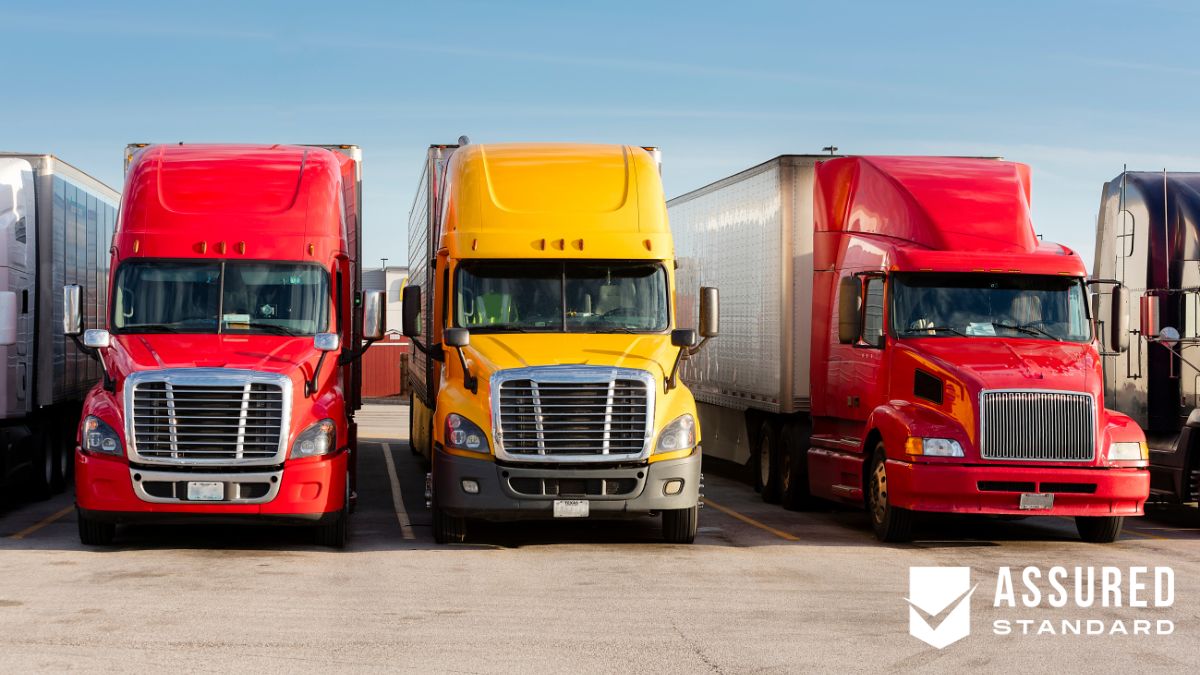
Successfully integrating expedited trucking into our logistics strategy can greatly enhance our operational efficiency.
It allows us to meet tight deadlines, maintain customer satisfaction, and reduce the risk of supply chain disruptions.
To make this integration seamless, we should consider the following steps:
Expedited trucking markedly reduces delivery times by prioritizing shipments, allowing us to meet urgent demands quickly. We bypass usual delays, ensuring goods reach their destination faster. Let's use it when time is of the essence for critical deliveries.
When we're considering expedited shipments, size and weight limits do apply. These limits vary by carrier and vehicle type. It's essential we check with the provider to guarantee our shipment meets their specific requirements for a smooth delivery.
We often face tight deadlines, unpredictable weather, and traffic delays in expedited trucking. These challenges require flexibility and quick decision-making to guarantee timely deliveries. Let's stay prepared and adaptable to overcome these hurdles together.
Expedited trucking and express courier services both prioritize speed, but they differ in scale and methods. We utilize expedited trucking for larger shipments requiring specific trucks, while express couriers handle smaller packages with flexible delivery options.
Yes, we can track expedited trucking services in real-time. This capability allows us to monitor shipments, providing peace of mind and ensuring timely deliveries. We recommend it for urgent shipments requiring reliability and transparency.
To summarize, we’ve explored how expedited trucking can be a game-changer for businesses needing fast and reliable delivery. By understanding the differences from standard trucking and recognizing which industries and situations benefit most, we can make informed decisions. While costs can be higher, the value of timely deliveries often outweighs the expense. Choosing the right provider and integrating these services into our logistics strategy guarantees we’re always ready to meet urgent demands efficiently and effectively.