To save fuel, we should focus on our driving habits. Maintaining proper tire pressure, decluttering the car, and removing roof racks can reduce drag. Smooth acceleration and braking, as well as using cruise control, help maintain steady speeds and optimize fuel use. Let’s avoid idling and plan routes efficiently to minimize stops. By adopting these techniques, we’ll make our drives more fuel-efficient, and there’s more to discover on this path.
Understanding our vehicle's fuel efficiency is essential if we're serious about saving fuel. We need to know how many miles per gallon (MPG) our car gets, as it directly impacts our fuel consumption.
Calculating MPG is simple: divide the miles driven by the gallons of fuel used. This number helps us identify if our driving habits or vehicle maintenance need improvement.
Let's pay attention to factors affecting efficiency, like weight and speed. Carrying excess weight decreases MPG, so let's clear out unnecessary items.
Driving at high speeds or with aggressive acceleration also reduces efficiency. By maintaining a steady pace and using cruise control when possible, we can improve fuel usage.
Understanding these aspects empowers us to make informed choices and save fuel effectively.
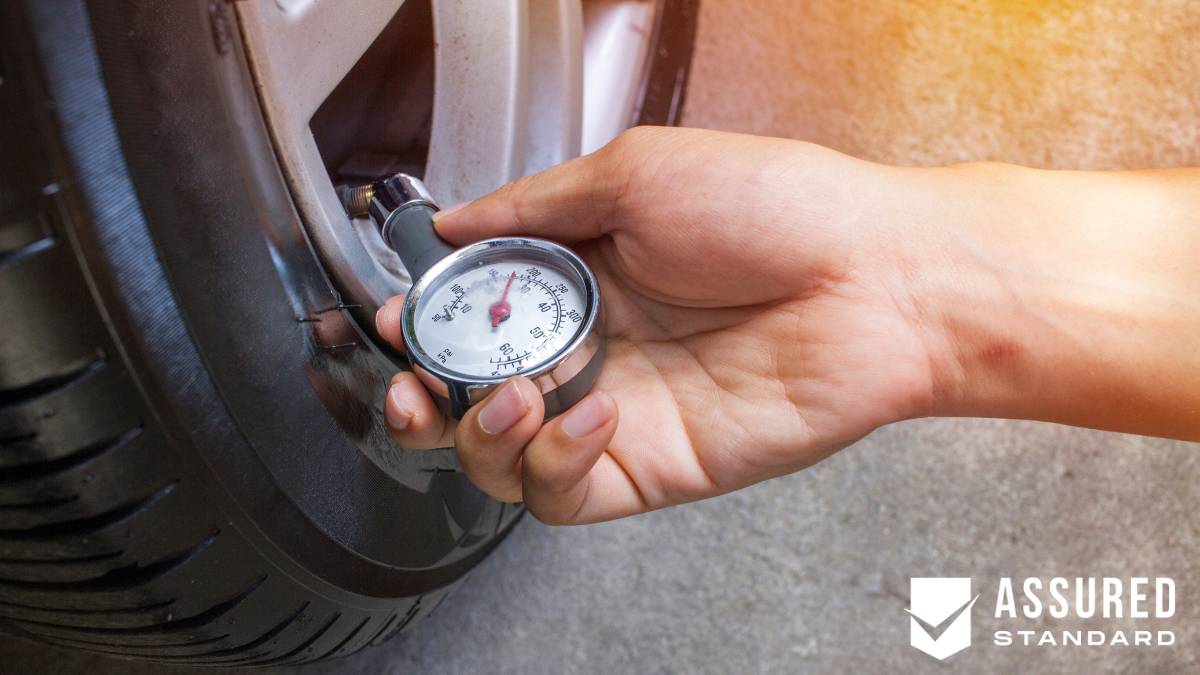
While it might seem minor, keeping our tires properly inflated plays an important role in fuel efficiency. Under-inflated tires create more rolling resistance, making our engine work harder and consume more fuel.
By checking our tire pressure regularly, we make sure our vehicle runs smoothly and uses less gas. It’s as simple as using a tire pressure gauge and comparing the reading to the recommended pressure in our car's manual or door placard.
We should aim to check the tire pressure at least once a month and before long trips. Remember, tire pressure changes with temperature fluctuations, so it’s crucial to adjust accordingly.
In addition to keeping our tires properly inflated, another effective way to save fuel is by reducing excess weight and drag in our vehicles.
Let’s start by checking our trunks and back seats for unnecessary items. Each extra pound requires more energy to move, so removing clutter can lead to noticeable fuel savings.
We should also think about roof racks and carriers. Though handy, they increase aerodynamic drag considerably. If we’re not using them, it’s best to take them off.
Even leaving windows open at high speeds can increase drag, so using air conditioning at lower settings might be more efficient.
Let's focus on how smooth acceleration and braking can help us save fuel.
By gradually increasing our speed and practicing controlled deceleration, we not only enhance our vehicle's efficiency but also extend its lifespan.
Additionally, by anticipating traffic flow, we can avoid unnecessary stops and starts, keeping our drive smooth and our fuel consumption low.
To conserve fuel efficiently, adopting smooth acceleration and braking is essential. When we gradually increase our speed instead of accelerating abruptly, we enhance our vehicle's fuel economy.
Let's focus on applying gentle pressure to the accelerator, allowing the car to build speed steadily. This approach not only saves fuel but also reduces engine strain and emissions.
We should also pay attention to traffic flow. By anticipating stops and starts, we can maintain a more consistent speed, avoiding unnecessary fuel consumption from sudden speed changes.
It's all about planning ahead and driving with intention. By practicing gradual speed increases, we're not just saving on fuel costs; we're also contributing to a smoother, more comfortable driving experience.
Together, let's make fuel-efficient driving a habit.
While gradual speed increases help in conserving fuel, our approach to slowing down is equally important. We should focus on controlled deceleration techniques, which involve smooth, steady braking instead of abrupt stops. By easing off the accelerator early and braking gently, we maintain better fuel efficiency. This method not only saves fuel but also reduces wear on our brakes, extending their lifespan.
Let’s remember that when we slam on the brakes, we waste the energy we’ve invested in accelerating. Instead, if we smoothly decelerate, we use momentum to our advantage.
Additionally, maintaining a safe distance from vehicles ahead gives us more time to slow down gently. Practicing these techniques helps us drive efficiently and safely while keeping fuel consumption in check.
How often do we really pay attention to the flow of traffic around us? By being more aware, we can anticipate changes and adjust our driving for better fuel efficiency.
Let’s focus on keeping a steady pace. When we spot brake lights ahead, easing off the accelerator gradually helps us maintain speed without abrupt braking. This reduces fuel consumption and wear on our car.
In busy traffic, keeping a safe distance from the car ahead allows us to react smoothly to sudden stops or slowdowns. Observing traffic signals and adjusting our speed to coast through green lights minimizes unnecessary stops.
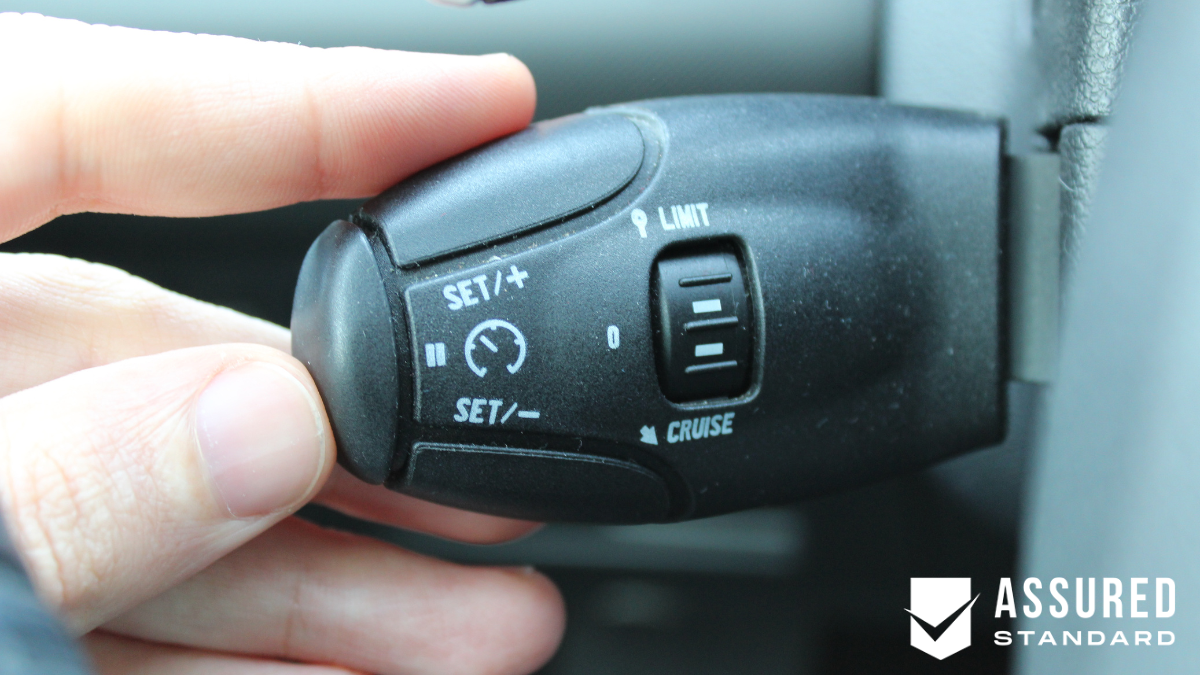
Have you ever wondered how cruise control can make highway driving more fuel-efficient? By maintaining a consistent speed, we reduce the constant acceleration and deceleration that increases fuel consumption. When our speed fluctuates, our engine works harder, burning more gas.
With cruise control, our vehicle maintains a steady pace, minimizing unnecessary fuel use.
Using cruise control also means fewer distractions as we’re not constantly adjusting our speed. This allows us to focus more on the road ahead.
However, it’s important to be mindful of traffic and weather conditions, as cruise control is most effective on clear, open highways.
Idling is one of those habits that can sneakily drain our fuel tank. We might think we're saving time by keeping the engine running while waiting, but in reality, we're wasting fuel.
Let's make a conscious effort to turn off the engine during longer stops, like when waiting for someone or at a long red light. It’s a simple step, yet it can considerably cut fuel consumption.
We should also be mindful of warming up the car. Modern engines don’t need more than a minute to get going.
Let’s embrace this and save fuel right from the start. By minimizing idling, we’re not only conserving fuel but also reducing emissions.
Together, we can make our driving more efficient and environmentally friendly.
While technology offers us maps and navigation systems, it’s still up to us to plan our routes wisely. Efficient routes save fuel and reduce travel time.
Let’s consider some strategies for planning effectively:
Yes, using air conditioning impacts fuel efficiency. We should consider using it sparingly to save fuel. Try cracking windows or parking in the shade. By being mindful, we can improve our car's fuel consumption and efficiency.
Traffic apps help us save fuel by providing real-time updates on traffic conditions. They guide us to less congested routes, reducing idling and stop-and-go driving. It's an efficient way to keep our fuel consumption low.
Yes, carpooling can greatly reduce fuel consumption. When we share rides, we reduce the number of vehicles on the road, conserving fuel. Let's adopt this efficient habit to save money and help the environment.
Regular vehicle maintenance guarantees our cars run efficiently, saving fuel. By keeping tires properly inflated, changing oil regularly, and replacing air filters, we reduce energy waste. Let's prioritize maintenance to maximize fuel efficiency and save costs together.
Fuel type greatly affects consumption. By choosing the right fuel, we enhance efficiency and savings. Let's consider engine compatibility and manufacturer recommendations to maximize our vehicle's performance while minimizing costs. It's essential for smarter, more economical driving.
In our journey to save fuel, we've explored several smart driving habits. By understanding our vehicle's fuel efficiency, maintaining proper tire pressure, and reducing excess weight and drag, we can drive more efficiently. Let's not forget the importance of smooth acceleration and braking, using cruise control on highways, and minimizing idling time. By planning efficient routes, we're not just conserving fuel, but also saving money and reducing our environmental impact. Together, we can make a difference.