
You can enhance your liability risk evaluation by using advanced analytics to pinpoint vulnerabilities and predict future liabilities. Artificial intelligence supercharges this process by providing real-time data insights, while cybersecurity measures help protect sensitive information. Legal management software streamlines compliance and monitoring tasks. These tools enable you to act proactively, ensuring robust risk management. Discover efficient ways to safeguard your organization from potential liabilities.
When evaluating liability risks, harnessing advanced analytics can greatly enhance your assessment accuracy. By using data-driven insights, you gain a clearer picture of potential exposures and uncover patterns that might be missed through traditional methods.
Advanced analytics allow you to process vast amounts of data quickly, identifying trends and anomalies that could indicate emerging risks.
You’ll find that predictive modeling and machine learning can forecast future liabilities, enabling proactive strategies to mitigate these risks. Embracing these tools empowers you to make informed decisions, reducing uncertainty and enhancing your organization's resilience.
It's essential to integrate these analytics into your risk evaluation processes, ensuring you're not just reacting to risks but anticipating them. This forward-thinking approach is key to maintaining a competitive edge.
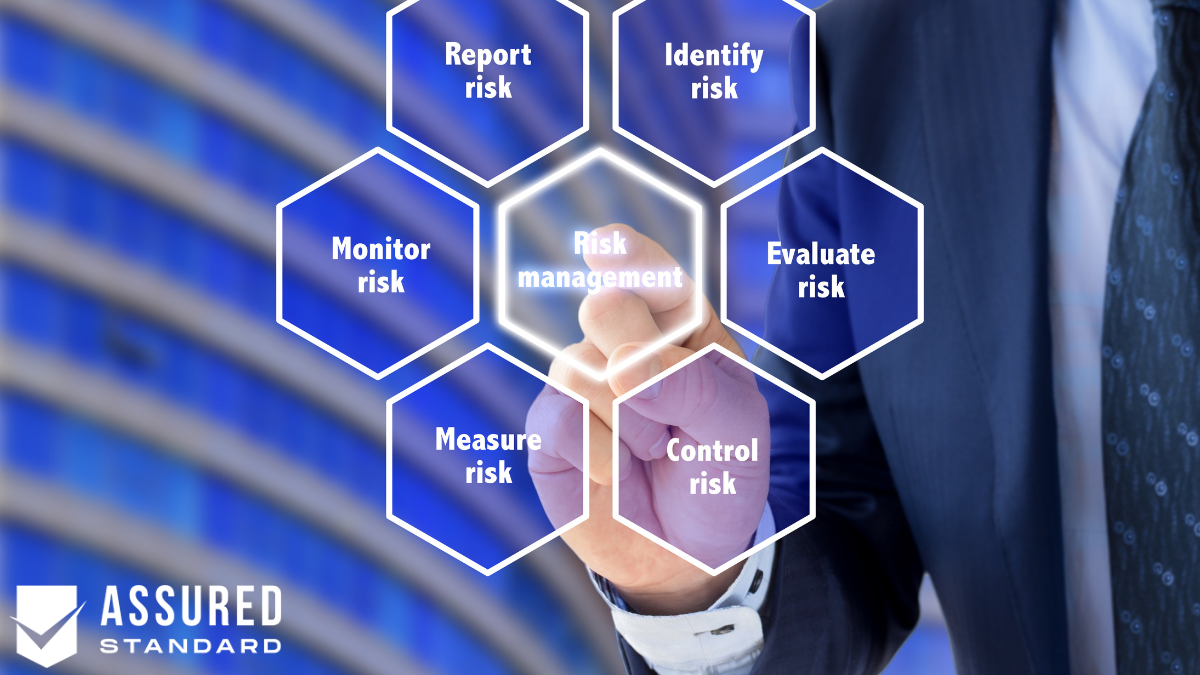
To effectively address liability risks, implementing a thorough risk management framework is essential. You need a structured approach that identifies, assesses, and mitigates potential liabilities.
Start by defining your organization’s risk appetite and tolerance levels. This clarity helps prioritize which risks to address first. Next, conduct regular risk assessments to pinpoint vulnerabilities and evaluate their potential impact. Don’t forget to involve key stakeholders, ensuring everyone understands their role in risk management.
Develop strategies for risk mitigation, such as insurance, contracts, and compliance programs. Regularly review and update these strategies to adapt to changing circumstances.
Training employees on risk awareness and response is vital. By fostering a risk-aware culture, you’ll enhance your organization’s resilience and safeguard its assets effectively.
Although traditional methods have their place, harnessing artificial intelligence (AI) for predictive analysis can transform how you approach liability risk management.
AI offers you the ability to anticipate potential risks by analyzing vast amounts of data rapidly and accurately. This technology can greatly enhance your decision-making process, providing insights that mightn't be visible through conventional means.
Here's how AI can benefit your predictive analysis:
Embracing AI could revolutionize your risk management strategy.
Building on the capabilities of AI in predictive analysis, safeguarding your data becomes a priority. You can't underestimate the importance of integrating robust cybersecurity measures to minimize data breach risks.
Start by implementing strong encryption protocols to protect sensitive information. Regularly update your systems and software to close potential security gaps. Encourage a culture of awareness by training employees on recognizing phishing attempts and handling data responsibly.
Consider deploying multi-factor authentication to add an extra layer of security for accessing systems. It's essential to perform periodic security audits to identify vulnerabilities early.
When aiming for compliance and efficient monitoring, legal management software becomes an indispensable tool. You’ll find it simplifies complex legal tasks while ensuring adherence to regulatory standards.
By employing this software, you can enhance your ability to track and manage legal obligations seamlessly. Here’s how it benefits you:
These features help you maintain control over legal matters, ensuring your organization remains compliant and minimizes liability risks effectively.
In evaluating liability risks, you can harness advanced analytics to enhance your assessments. By implementing thorough risk management frameworks, you streamline your approach. Utilize artificial intelligence for predictive analysis to stay ahead of potential issues. Don’t forget to integrate cybersecurity measures to reduce data breach risks. Finally, employ legal management software for seamless compliance and monitoring. Through these tools, you’re well-equipped to effectively manage and mitigate liability risks in today’s dynamic environment.