When renewing your liability insurance, carefully review terms like coverage limits, policy period, and exclusions. Pay attention to renewal notices for any changes in premiums or coverage details. Verify that your personal or business information is accurate, and address discrepancies immediately. Understand how factors like claims history or industry trends might affect your premiums. Proactive engagement with your insurer guarantees you're prepared for adjustments. Explore further for more insights on steering your insurance renewal smoothly.
Liability insurance is your safety net, designed to protect you from potential financial ruin. It covers legal costs and damages if you're found responsible for someone else's injury or property damage.
Understanding its key components is essential. First, consider the coverage limits, which define the maximum amount your insurer will pay per claim or incident. Next, examine the exclusions, which outline what isn't covered. Knowing these helps you avoid surprises.
Also, review the policy period, as it indicates the timeframe during which claims can be made. Don't forget about deductibles, the amount you pay out-of-pocket before coverage kicks in.

Understanding the key components of your liability insurance is just one part of managing your coverage effectively. The renewal process plays a vital role in guaranteeing your policy remains active and up-to-date.
You’ll typically receive a renewal notice from your insurer before your policy expires. This notice outlines any changes in terms, premiums, or coverage levels. It’s essential to review these details carefully and contact your insurer if you have questions or need clarification.
During renewal, verify your personal and business information to confirm accuracy. Confirm payment details, as changes in premiums might affect your budget.
Address any discrepancies immediately to avoid lapses in coverage. By being proactive during the renewal process, you can maintain continuous protection and peace of mind.
How often do you assess whether your liability insurance truly matches your current needs?
It's important to regularly evaluate your coverage, especially as personal or business circumstances change. Start by reviewing your policy to verify it aligns with your current assets, risks, and liabilities.
Consider any major life changes, like a new job, marriage, or purchasing property, that might affect your coverage.
Ask yourself if your current policy limits adequately protect you in today's environment. Are there any gaps or overlaps in your coverage?
Consult with an insurance professional to help identify any necessary adjustments. Regular evaluations can prevent surprises and confirm you're not underinsured or overpaying.
Taking the time to analyze your needs guarantees you’re adequately protected.
You're probably wondering why your premium rates change during renewal.
Factors like your claim history or shifts in risk can affect these rates, and it's essential to negotiate adjustments with your insurer.
Understanding these elements helps you manage costs and make informed decisions.
When it's time to renew your liability insurance, several factors can cause fluctuations in premium rates. Your claims history plays a significant role—frequent claims can increase your rates, while a clean record might lower them.
Additionally, any changes in your business operations, such as expansion or new activities, can affect risk levels and premiums. Insurers also consider broader industry trends and economic conditions, which might lead to adjustments in rates.
If your industry faces new regulations or heightened risks, expect potential rate hikes. Ultimately, your credit score might influence your premium. Insurers often view a strong credit score as indicative of lower risk, which can lead to more favorable rates.
Understanding these factors helps you anticipate and manage potential premium changes.
Although renewing liability insurance often brings inevitable premium changes, you can actively negotiate these adjustments to better suit your budget.
Start by reviewing your current policy and understanding the reasons behind any increase. Armed with this knowledge, reach out to your insurance agent or company. Clearly explain your concerns and ask if there are any available discounts or bundling options that could lower your premium.
Don’t hesitate to compare quotes from other insurers, as this information can serve as leverage during negotiations. It’s also wise to reassess your coverage needs; adjusting limits or deductibles might reduce costs.
Understanding how your claim history affects your liability insurance premiums is essential to managing costs. When you file claims, insurers view you as a potential risk, and this can lead to higher premium rates. A spotless record, on the other hand, often results in lower costs.
It's vital to evaluate whether filing a claim is worth a potential increase in your premiums. Consider if the claim amount notably exceeds your deductible.
Insurers analyze the frequency and severity of your past claims to determine your risk level. Multiple claims or costly incidents signal higher risk, prompting rate hikes.
To keep costs down, maintain a clean record by practicing risk management and considering alternatives before filing minor claims. Smart decision-making can help you maintain favorable rates.
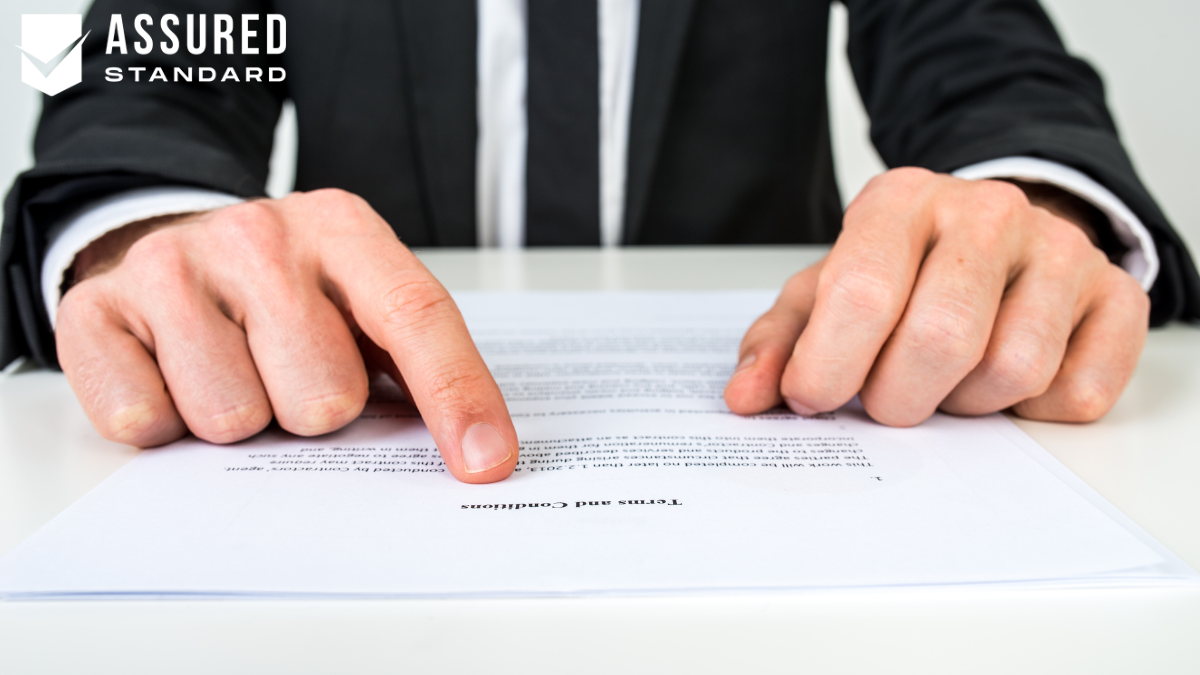
When you're renewing your liability insurance, it's essential to understand the key definitions and common terms in your policy.
Pay attention to exclusions and limitations, as they outline what isn't covered and can impact your coverage.
Steering through the intricate language of liability insurance policies can feel like deciphering a foreign language. But understanding key definitions makes it easier.
Start by knowing what "policyholder" means—it's you, the person or entity insured. "Premium" refers to the amount you pay for the coverage. The "deductible" is what you pay out of pocket before insurance kicks in.
"Coverage" defines the protection scope your policy offers. The term "exclusion" highlights what's not covered, vital for avoiding surprises.
Understanding "aggregate limit" is fundamental, as it caps the total payout from an insurer during the policy period.
Familiarize yourself with these terms to navigate your policy confidently and guarantee you're adequately protected. Knowledge empowers you to make informed decisions.
Renewing your liability insurance policy involves understanding several common terms that guarantee seamless coverage continuation.
Start with the "renewal date," which is when your policy is set to renew. Knowing this date helps you avoid any lapse in coverage.
The "premium" is the amount you'll pay for the renewed policy period. Make certain you understand how this figure is calculated and any changes from the previous term.
"Policyholder" refers to you, the insured party, responsible for maintaining the policy.
"Coverage limits" are the maximum amounts your insurer will pay for a covered claim.
Finally, "endorsements" are additions to your policy that can modify coverage.
Understanding these terms guarantees you're fully aware of your policy details and responsibilities.
As you grasp the common terms in your liability insurance renewal, it's equally important to understand the exclusions and limitations within your policy.
These components clarify what your insurance won't cover, so knowing them helps you avoid unexpected costs.
Pay attention to these key points:
Even though it might seem like your insurance policy has you covered, it’s essential to identify any potential coverage gaps before renewing. Start by reviewing your current policy’s terms and conditions. Look for areas where your coverage may be limited or excluded.
Consider changes in your business or personal circumstances that might require adjustments in your policy. Consult with your insurance agent to discuss these potential gaps. They can help you understand whether your current policy aligns with your needs and suggest necessary endorsements or additional coverage.
Don’t assume your policy automatically covers every risk; take a proactive approach. By addressing these gaps, you can guarantee you’re adequately protected and avoid unexpected financial burdens in the event of a claim.
Once you've addressed any coverage gaps, focus on guaranteeing a smooth renewal experience.
Start by organizing your documents. Gather your current policy details, any claims information, and updates on your business operations. This preparation will streamline discussions with your insurance provider.
Next, engage with your insurer early. Don't wait until the last minute to contact them; proactive communication can help address any potential issues before they become problematic.
Finally, consider reviewing competitive rates from other insurers to guarantee you're getting the best value for your coverage. Knowing the market can empower you to negotiate effectively.
As you navigate the renewal of your liability insurance, focus on understanding the key components and evaluating your coverage needs. Pay attention to changes in premium rates and policy language, and don't overlook potential coverage gaps. By staying informed and proactive, you’ll guarantee a smooth renewal experience. Remember, asking questions and seeking clarity are essential steps. With these tips, you'll confidently renew your policy, knowing you’re well-protected and getting the coverage you need.