You'll find that technology solutions like AI and machine learning enhance fraud detection by quickly spotting patterns and anomalies. Blockchain guarantees secure, tamper-proof transactions, while biometric authentication and IoT verify identities and claims with precision. Strong encryption, multi-factor authentication, and team education safeguard sensitive data. These solutions not only boost efficiency and reduce costs but also build trust with clients. Discover how each technology plays a role in preventing insurance fraud.
When it comes to combating insurance fraud, AI stands as a game-changer. You might wonder how it all works.
Well, AI systems quickly analyze vast amounts of data, spotting patterns that might seem invisible to the human eye. This technology helps insurers identify fraudulent claims more efficiently than ever before.
You’ll find AI reducing processing times, which means quicker claim resolutions for honest clients. By cross-referencing data from different sources, AI can flag unusual activities for further investigation.
It’s not just about catching fraudsters, but also about protecting your premiums from unnecessary hikes due to fraudulent payouts.

You can harness machine learning algorithms to spot fraudulent patterns by analyzing vast amounts of data for unusual activities.
This approach enhances predictive accuracy, allowing you to detect and address potential fraud faster than traditional methods.
Although detecting insurance fraud can be challenging, machine learning algorithms offer powerful tools for anomaly detection.
You can harness these algorithms to sift through vast amounts of data, identifying patterns that might seem normal at first glance.
These algorithms excel in spotting irregularities that deviate from established norms, making it easier for you to catch fraudulent activities early on.
By leveraging machine learning algorithms for anomaly detection, you can greatly enhance the predictive accuracy of fraud identification systems.
These algorithms analyze vast datasets to pinpoint unusual patterns that might indicate fraudulent activity. Unlike traditional rule-based systems, machine learning models adapt and improve over time, increasing their effectiveness.
Here’s how you can benefit:
Integrating these technologies will guarantee more reliable fraud prevention.
Blockchain technology is revolutionizing the way insurance companies handle transactions, offering a secure and transparent solution to combat fraud. When you use blockchain, each transaction is recorded on a decentralized ledger that can't be altered. This guarantees that every piece of data remains transparent and tamper-proof. You can easily track the history of a transaction, verifying its authenticity at any point.
Moreover, smart contracts provide another layer of security. These contracts automatically execute terms and conditions, reducing human error and the potential for fraudulent claims.
With blockchain, you're not just enhancing security; you're building trust with your clients by guaranteeing their data is safe and verifiable. Embrace this technology to protect your business and provide peace of mind to your policyholders.
You can start tackling insurance fraud by analyzing historical claims data to spot suspicious patterns.
Implement predictive modeling techniques to anticipate fraudulent activity before it happens.
When it comes to identifying fraud patterns, analyzing historical claims data is an indispensable tool in the arsenal of insurance companies. By diving deep into past claims, you can uncover trends and anomalies that might indicate fraudulent activity. This data-driven approach helps you spot red flags and strengthen your fraud detection strategies.
Here’s how analyzing historical claims data can benefit you:
Understanding these patterns equips you with the insights needed to combat insurance fraud effectively.
Building on the insights gained from analyzing historical claims data, implementing predictive modeling techniques takes fraud detection to the next level. You can proactively identify suspicious activities by using these models to analyze patterns and trends in your claims data.
They help you assess the likelihood of fraud by flagging anomalies and inconsistencies that might otherwise go unnoticed. With predictive modeling, you're not just reacting to fraud—you're anticipating it.
To start, you'll need a robust dataset and the right tools. Focus on key variables like claim amount, policyholder history, and the nature of the claim.
With these, you can train your models to differentiate between legitimate and fraudulent claims. Ultimately, predictive modeling empowers you to make informed, data-driven decisions, enhancing your fraud prevention strategy.
Although predictive modeling lays a solid foundation for fraud detection, leveraging machine learning algorithms takes your data analytics to a new level.
By using these advanced techniques, you can uncover hidden fraud patterns and gain deeper insights. Machine learning algorithms continually improve as they process new data, making them more effective over time.
Here’s how you can leverage these algorithms:
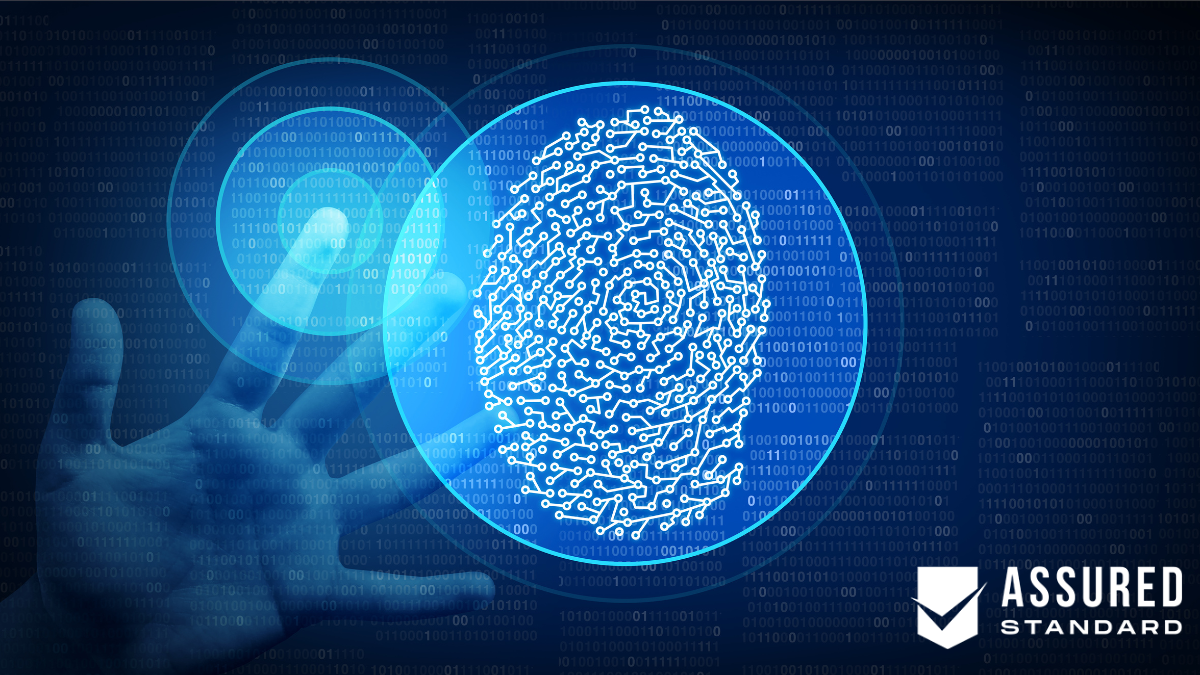
With the rise of sophisticated identity fraud schemes, biometric authentication emerges as a powerful tool to strengthen security in the insurance industry.
You can use biometrics like fingerprints, facial recognition, and voice patterns to verify identities accurately and efficiently.
This method guarantees that only authorized individuals gain access to sensitive information, reducing the risk of identity theft.
As the Internet of Things (IoT) becomes more prevalent, it's transforming how insurance companies verify claims.
You're witnessing a shift towards greater transparency and efficiency in claims processing. IoT devices can provide real-time data, making it easier to validate the authenticity of claims. Whether it’s home sensors detecting water leaks or telematics in vehicles monitoring driving patterns, IoT offers insurers a more accurate picture of events.
Consider these benefits of IoT in claims verification:
IoT devices revolutionize claims verification, but they also highlight the importance of safeguarding sensitive data. You must prioritize cybersecurity to protect your clients' information from breaches.
Start by implementing strong encryption methods. Encryption scrambles data, making it unreadable to unauthorized users. It’s essential to regularly update your software and systems to defend against the latest threats.
Don’t overlook the power of multi-factor authentication (MFA). With MFA, even if a password is compromised, unauthorized access remains difficult.
Educate your team on recognizing phishing attempts, as these are common tactics used to access sensitive data. By staying vigilant and proactive, you’ll greatly reduce the risk of data breaches.
By leveraging advanced technology solutions, you can greatly enhance your insurance fraud prevention efforts. Embrace artificial intelligence and machine learning to spot anomalies quickly. Use blockchain for secure transactions and data analytics to uncover fraud patterns. Implement biometric authentication to safeguard identities and harness the power of IoT for accurate claims verification. Finally, prioritize cybersecurity measures to protect sensitive data. With these strategies, you're well-equipped to tackle fraud head-on and protect your business effectively.