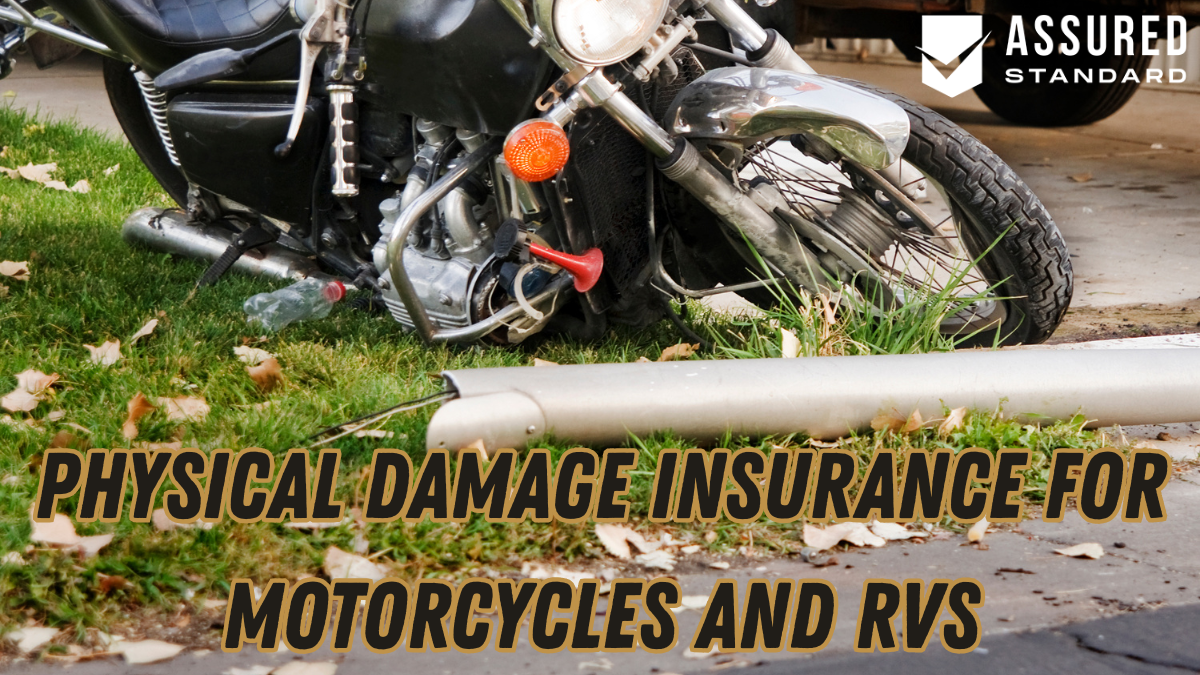
We've got your back when it comes to protecting your motorcycles and RVs with physical damage insurance. This essential safeguard covers both collision and extensive incidents, ensuring you're ready for accidents, theft, or even natural disasters. From accessory protection to uninsured motorist coverage, there are options to fit your needs and budget. Don't worry about unexpected events derailing your adventures; stick with us to explore the perfect coverage for you.
When it comes to securing our motorcycles and RVs, understanding physical damage insurance is essential.
We need to protect our investments from unexpected events like accidents, theft, or natural disasters. Physical damage insurance typically covers two main types: collision and comprehensive.
Collision coverage helps us with repairs or replacement if our vehicle is damaged in an accident, regardless of fault.
Extensive coverage, on the other hand, protects against non-collision-related incidents such as theft, vandalism, or storm damage.

Exploring the coverage options for motorcycles reveals a range of choices tailored to meet our specific needs. We can select from a variety of plans that offer protection against different risks.
Understanding these options helps us make informed decisions about our insurance. Let's break down the key coverage types available:
Considering these options equips us to choose the best coverage for our motorcycles.
As we explore the coverage options for RVs, it becomes clear that protecting our mobile homes is vital for peace of mind on the road.
Let's consider the types of coverage available to us. Collision coverage takes care of repairs if we hit another vehicle or object. Extensive coverage steps in when our RV is damaged by factors other than collisions, like theft or natural events.
We should also think about liability coverage, which handles costs if we're at fault in an accident. Finally, uninsured/underinsured motorist protection is essential; it covers us if we're hit by someone without adequate insurance.
Though our RVs and motorcycles provide freedom on the open road, they're not immune to risks.
It's essential that we grasp the common perils covered by physical damage insurance. This coverage usually protects us from a variety of unexpected events that could lead to costly repairs or replacements.

Let's start by evaluating our coverage needs to guarantee we’re protected against common risks.
Once we've got a clear idea of what we require, comparing policy options will help us find the best fit for our lifestyle and budget.
Finally, reviewing deductible levels is essential to balance our upfront costs with potential out-of-pocket expenses.
When we're choosing the right policy for physical damage insurance for motorcycles and RVs, understanding our coverage needs is crucial.
We must consider factors that influence the type of protection we require. To begin with, let's assess the value of our vehicle. Knowing its market worth helps us determine how much coverage is necessary.
Next, we need to evaluate our usage. Are we taking long road trips or using it occasionally? This affects the risk level and, consequently, our policy choice.
Finally, consider our budget. Balancing affordability with adequate coverage guarantees we're not overextending financially.
Here are key points to remember:
As we explore comparing policy options for physical damage insurance, it’s essential to focus on coverage features that match our specific needs.
We should start by identifying what’s fundamental for our motorcycle or RV. Does it make sense to look for policies that cover theft, fire, or natural disasters? Understanding these features helps us tailor the policy to our lifestyle and risks.
Next, let’s review different insurers. Each offers unique benefits and limitations.
It’s wise to read customer reviews and ratings to gauge reliability and service quality. We must also consider the claim process—does the company have a reputation for efficient claims handling?
Finally, comparing costs is critical, but it’s equally important to guarantee we’re getting thorough protection for our investment.
Choosing the right deductible level is a crucial step in selecting a policy that fits our needs. A deductible is the out-of-pocket cost we pay before insurance kicks in, impacting both premiums and financial risk.
To determine the best fit, let's consider:
Steering through the aftermath of an accident can be intimidating, but how do we guarantee our claim process is smooth and successful?
First, let's document everything immediately. We should take clear photos of the damage and gather witness statements if possible. It's essential to report the incident to our insurer promptly, ensuring we adhere to any deadlines specified in our policy.
Next, let's keep a detailed record of all communications with the insurance company, including phone calls and emails. It helps to stay organized with any estimates or receipts related to repairs.
Finally, if we encounter any challenges, don't hesitate to ask questions or seek clarification from our insurance representative. By being proactive and thorough, we can navigate the claims process with confidence.
Sure, we can definitely bundle our motorcycle and RV insurance with other policies. It’s a smart way to save money and simplify our coverage, allowing us to manage everything under one provider. Let’s explore it!
Yes, we can often qualify for discounts if we've maintained a safe driving record. Insurers appreciate responsible behavior, so let's check with our provider to explore any available savings. Safe driving pays off in many ways!
We're looking at how vintage motorcycles have unique valuation methods and parts availability, affecting premiums. They often require specialized coverage due to their age and rarity. Let's guarantee we've got the right protection for these cherished rides.
We should check with our insurer before modifying our motorcycle or RV. Modifications can affect insurance coverage, potentially leading to higher premiums or coverage denial. It’s essential to guarantee any changes won't impact our policy negatively.
Yes, it's typically mandatory for financed motorcycles and RVs. We must guarantee thorough and collision coverage to protect both our investment and the lender's interest. Let's check our loan agreement for specific insurance requirements.
In summary, we’ve explored the essentials of physical damage insurance for motorcycles and RVs. By understanding coverage options, common risks, and how to choose the right policy, we’re better equipped to protect our vehicles. Remember, it’s vital to evaluate your needs and stay informed. When filing a claim, don’t hesitate to reach out for guidance. Let’s guarantee our adventures on the road remain safe and sound, with peace of mind as our constant companion.