Let's explore how we can optimize fleet cargo insurance strategies for large carriers. We understand that managing risk is essential, and one size doesn't fit all when it comes to coverage. By understanding unique vulnerabilities and leveraging technology, we can guarantee our policies are both thorough and cost-effective. But how do we balance these elements while maintaining regulatory compliance and client trust? Let's uncover the strategies that can make a difference.
Fleet cargo insurance is an important component of managing risks associated with transporting goods. As we explore the basics, we must understand that it protects against potential losses during transit.
When we consider the complexities of shipping, insurance becomes our safety net, covering risks like theft, damage, and environmental hazards.
We can't overlook the importance of choosing the right policy. It's vital to evaluate our fleet's specific needs and the types of goods we transport. This guarantees that we select coverage that effectively safeguards our assets.
Additionally, understanding the terms and conditions of our policy is key to avoiding unexpected surprises.
Ultimately, fleet cargo insurance offers peace of mind, allowing us to focus on our core business operations without worrying about unforeseen mishaps.
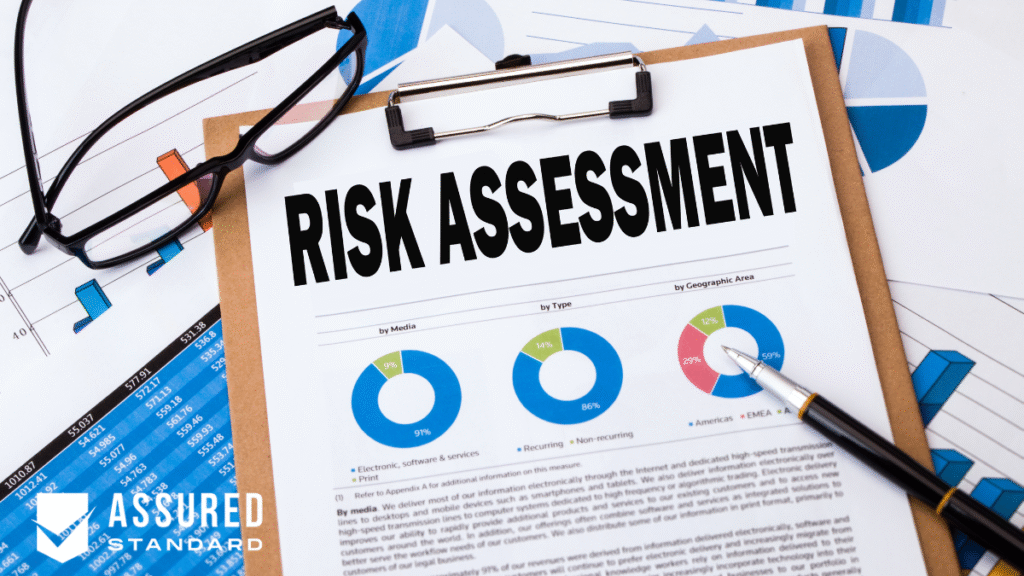
As we shift our focus from the basics of fleet cargo insurance, understanding how to assess risk factors in supply chains becomes imperative for effective risk management.
We need to identify potential vulnerabilities that can impact cargo safety and profitability. These include natural disasters, geopolitical instability, transportation bottlenecks, and supplier reliability. By evaluating these risks, we can prioritize which areas require more robust insurance coverage or contingency plans.
Let's also consider the role of technology. Real-time tracking and data analytics enable us to monitor shipments, anticipate delays, and respond swiftly to disruptions.
Collaborating with partners across the supply chain guarantees that everyone is informed and prepared for unexpected events. A proactive approach to risk assessment helps us safeguard our operations and maintain customer trust.
As we consider tailoring coverage for specific cargo needs, we must first assess the unique risk profile of each shipment.
By understanding these risks, we can customize policy parameters to better protect our assets.
Let's explore how this approach can enhance our fleet cargo insurance strategy.
Understanding the unique risk profile of each cargo type is essential for tailoring effective insurance coverage. We must consider various factors that influence the risk associated with different cargoes. By doing so, we can guarantee our coverage aligns with the specific needs of the cargo we transport.
Some of these considerations might stir emotions and prompt us to act with urgency:
Acknowledging these factors allows us to craft insurance that truly protects our assets and reputation.
How do we guarantee our insurance policies truly reflect the specific needs of the cargo we transport? By customizing policy parameters, we make certain that our coverage aligns perfectly with the unique demands of each shipment.
First, we assess the nature and value of our cargo—whether it’s perishable goods, electronics, or hazardous materials. Next, we work closely with insurers to tailor policy terms, limits, and exclusions that address these specific risks.
It’s essential we consider factors like transit routes, seasonal variations, and potential hazards. By doing so, we mitigate unforeseen losses effectively.
When selecting an insurance provider for fleet cargo, it’s crucial to thoroughly evaluate both the company and its policies to confirm they meet our specific needs.
We need to ascertain our operations are protected by a reliable partner. To make an informed choice, consider the following:
Choosing wisely protects our assets and peace of mind.

Let's explore how we can implement cost-effective insurance solutions for our fleet.
By evaluating risks accurately, customizing policies to fit our unique needs, and adopting strategies to reduce premiums, we can manage costs effectively.
Together, we'll guarantee our cargo stays protected without straining our budget.
Although maneuvering the complexities of fleet cargo insurance can be challenging, understanding and implementing effective risk assessment techniques is vital for cost-effective solutions.
By evaluating potential threats and vulnerabilities, we can tailor our insurance policies to match our specific needs, reducing unnecessary costs.
It’s imperative to assess these risks accurately to guarantee our fleet remains protected without overspending.
To evoke a sense of urgency and importance, consider these emotional drivers:
Exploring policy customization options allows us to implement cost-effective insurance solutions tailored to our fleet's unique needs. By collaborating closely with insurance providers, we can identify specific coverage options that align with our operational requirements.
Customization means we don't pay for unnecessary coverage; instead, we focus on what truly matters. For instance, we can adjust deductibles or coverage limits to match our risk tolerance and budget.
Moreover, we can explore specialized endorsements that cater to our cargo type or routes. This flexibility guarantees that our insurance policy meets our actual risks, not just standard scenarios.
Working with brokers who understand our industry helps us navigate these options effectively. Together, we achieve a balance between thorough protection and financial efficiency for our fleet.
Having customized our policies to fit our fleet's needs, we now turn our attention to effective strategies for reducing insurance premiums.
Let's focus on practical steps that align savings with security. By concentrating on these strategies, we can achieve a balance between cost efficiency and thorough coverage.
These strategies can lead to substantial savings and peace of mind.
As we explore the world of risk management, harnessing technology becomes vital to effectively safeguard fleet cargo. By integrating advanced tracking systems and real-time data analytics, we can monitor shipments more accurately, reducing the risk of loss or theft. GPS technology helps us trace routes, ensuring our cargo safely reaches its destination.
Moreover, predictive analytics allows us to foresee potential disruptions and take proactive measures. With IoT devices, we gather essential data about cargo conditions—like temperature and humidity—ensuring that sensitive goods remain in ideal states.
Implementing these technologies not only minimizes risks but also enhances operational efficiency. By staying informed and adaptable, we can maximize our coverage and make informed decisions that protect both our assets and customer trust.
While technology enhances our ability to manage risks, understanding and adhering to regulations is equally important in cargo insurance. Steering through the complex web of regulatory requirements can feel overwhelming, but it's essential for large carriers like us to stay compliant and protect our operations.
We must stay informed and proactive about changing laws and international standards. Let's guarantee our fleet's coverage aligns with legal mandates and industry practices, avoiding costly penalties or disruptions.
Consider the following:

To effectively safeguard our fleet operations, let's immerse ourselves in developing an extensive risk mitigation plan that addresses potential threats head-on.
We should begin by identifying and evaluating possible risks, such as weather disruptions, theft, and cargo damage. By thoroughly analyzing these vulnerabilities, we can prioritize them based on their likelihood and impact.
Next, let’s implement preventive measures like advanced tracking systems and enhanced security protocols. Training our team in emergency response and safety procedures is essential to minimize risks. Investing in technology, such as predictive analytics, can help us foresee issues before they escalate.
Furthermore, collaborating with trusted partners and regularly reviewing our risk strategies guarantees we’re adaptive and resilient.
Through these steps, we’ll maintain a robust defense against unforeseen challenges.
Continuous monitoring and policy adjustments are essential for maintaining the effectiveness of our fleet cargo insurance strategies. We must stay vigilant and responsive to evolving risks.
By continuously evaluating our policies, we guarantee that they align with current realities and protect our assets effectively. Adjusting policies isn’t just a task; it’s a commitment to safeguarding our future.
Let’s consider what’s at stake:
In summary, by taking a proactive approach to fleet cargo insurance, we're not only protecting our assets but also ensuring the trust of our clients. By thoroughly evaluating risks, customizing coverage, and leveraging technology, we can navigate the complexities of cargo insurance with confidence. Let's continue to assess our strategies, collaborate with partners, and stay compliant with regulations. Together, we can safeguard our operations and maintain resilience in an ever-evolving global landscape.