When we face a cargo loss incident, it's essential to act swiftly and systematically. First, we'll assess the damage and document everything, from photographs to witness accounts. Notifying relevant parties, like our insurance company and shipping partners, is imperative for initiating timely claims and communication. Let's not forget the importance of reviewing our insurance policies and filing claims with all necessary documentation. But how can we guarantee this doesn't happen again?
The first step in addressing cargo loss is to assess the extent of the damage thoroughly. We need to act quickly and carefully to gather all necessary information.
Let's start by inspecting the cargo condition and documenting everything with photos and detailed notes. This evidence is essential for understanding what happened and for any potential claims. We should also check if there are any safety risks that could affect further handling of the cargo.
Next, we need to review shipping documents to verify if all cargo was accounted for initially. Comparing these documents to the current situation can reveal discrepancies.

Once we've assessed the damage, it's essential to notify the relevant parties without delay.
We need to identify key stakeholders involved in the cargo's journey, ensuring they're informed promptly.
Jump right in by identifying key stakeholders when a cargo loss occurs. We need to quickly determine who’s impacted and who can assist in addressing the situation.
Start by listing essential participants such as the shipping company, insurance providers, and law enforcement if theft is involved. Let’s not forget the cargo owner, as they’ll likely want updates.
Understanding everyone’s role is vital for streamlining our response. We should also consider any regulatory bodies that may need to be informed, depending on the cargo type.
Effective communication is essential when dealing with cargo loss, so let's promptly notify all relevant parties.
First, we should inform our insurance company to initiate the claims process and gather necessary documentation. It's vital that we also contact the shipping company to guarantee they're aware and can provide any needed information.
Let's not forget to update the client involved, giving them an honest assessment of the situation and any potential delays. Keeping them in the loop helps maintain trust and transparency.
Additionally, notifying any regulatory authorities might be required, depending on the cargo type, to comply with legal obligations.
We've got to act swiftly and clearly in our communications to prevent misunderstandings. By doing so, we can work towards resolving the incident efficiently.
When documenting a cargo loss incident, we must confirm every detail is captured accurately and thoroughly. This process begins with recording the date, time, and location of the incident.
We should identify all parties involved and note their roles. Describing the condition of the cargo before and after the loss is essential.
Let’s be certain to include any weather conditions or external factors that might've contributed. Collecting witness statements can provide valuable insights, so we should encourage detailed accounts.
Photographs and diagrams can visually support our written records, enhancing clarity. Additionally, maintaining a log of all communications related to the incident helps confirm transparency.
Thorough documentation not only aids in understanding the incident but also strengthens our position during any subsequent investigations or claims.
Let's focus on securing and preserving the evidence essential for understanding what happened during the cargo loss.
We'll need to document the damage thoroughly, collect witness statements, and guarantee we preserve any digital records.
Although cargo loss can be a stressful experience, it's vital to document the damage thoroughly to strengthen any claims or legal actions.
Let's make sure we capture every detail with precision. First, we should take high-resolution photographs of the damaged cargo, focusing on all angles and any identifying marks. This visual evidence is significant for our records.
Taking these steps will bolster our case and aid in resolving claims efficiently.
Securing and preserving evidence through collecting witness statements is crucial for reinforcing our cargo loss claims. We need to act promptly to gather firsthand accounts from those who observed the incident.
Let’s reach out to drivers, dock workers, and any nearby personnel who might provide valuable insight. Their observations can clarify the events leading to the loss and help us establish a clear timeline.
When speaking to witnesses, we should ask open-ended questions to capture thorough details. It’s important to record these conversations accurately, either by taking notes or using audio recordings, with their permission.
Gathering witness statements sets a solid foundation, but guaranteeing a thorough claim requires us to preserve digital records meticulously.
In today’s digital age, evidence isn’t just physical. We need to secure electronic data to strengthen our claims. Here’s how we can effectively preserve these essential records:
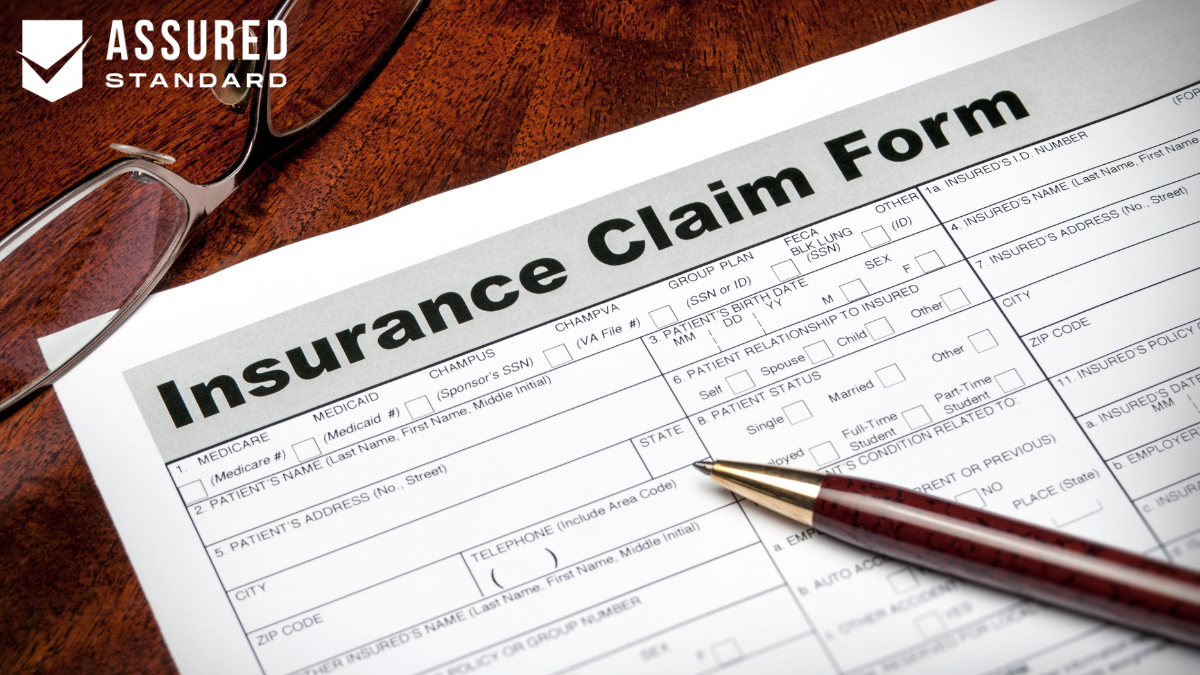
When faced with a cargo loss, it’s crucial to promptly review and file insurance claims to secure financial recovery.
First, let's gather all necessary documentation, including bills of lading, invoices, and any digital records we've preserved. This guarantees our claim is thorough and accurate.
Next, we should carefully review our insurance policy to understand our coverage and any specific requirements we must meet. Don't rush this step, as missing details could delay or jeopardize the claim process.
After confirming we've everything in order, let's contact our insurance provider and submit the claim promptly. Providing clear and complete information helps streamline the process.
Staying proactive and communicative with our insurer will increase the likelihood of a swift and favorable settlement.
To prevent future cargo losses, let's take a proactive approach by analyzing past incidents and identifying patterns or weaknesses in our supply chain.
This analysis helps us implement effective preventative measures. First, we should focus on strengthening our processes by conducting regular audits and training sessions for our team.
By doing this, we'll guarantee everyone is aware of best practices and safety protocols.
Second, investing in technology can notably enhance our monitoring and tracking capabilities, giving us real-time data to make informed decisions.
Finally, fostering strong relationships with reliable partners and carriers guarantees that we're working with those who share our commitment to quality and safety.
Here's a quick checklist to take into account:
In the face of a cargo loss, we can't stress enough the importance of swift and thorough action. By evaluating the damage, notifying all parties, and documenting everything, we set the stage for a smoother claims process. Let's secure evidence carefully and file those insurance claims with precision. Moving forward, implementing preventative measures is key to mitigating risks. Together, we'll strengthen our logistics partnerships and enhance security, ensuring a more resilient and efficient future.