Let's talk about mastering occupational risk strategies together. Managing workplace safety is essential, and we've got seven tips to guide us. From thorough risk assessments to fostering a culture of continuous improvement, each step plays an important role. We'll explore engaging employees through effective communication and proactive training. By prioritizing hazard identification, we can create a safer environment. Stay with us as we uncover how these strategies can transform our workplace safety.
To effectively manage occupational risks, we must begin by conducting thorough risk assessments. This essential step allows us to systematically identify potential hazards in our workplace. By doing so, we gain a clear understanding of what could go wrong and the impact these risks might've on our operations. Our goal is to gather detailed information on every possible risk factor, considering both the likelihood and severity of each.
During this process, we should involve team members from various departments to guarantee a complete view. Their insights help us uncover risks that might otherwise be overlooked.
We prioritize open communication and collaboration, making sure everyone’s voice is heard. Together, we can build a safer work environment, minimizing risks and fostering a proactive safety culture.
Let's start by identifying workplace hazards, ensuring that we understand the risks lurking in our environments.
Once identified, it's essential to implement effective control measures to mitigate these hazards and protect everyone involved.
Regular risk assessments keep us proactive, allowing us to adjust our strategies and maintain a safe workplace.
While it's easy to overlook, identifying workplace hazards is essential to maintaining a safe environment. We must be proactive and vigilant. Hazards can come in many forms, from physical obstacles to chemical exposures.
Let's start by conducting regular inspections and encouraging open communication. We should involve everyone in the process because different perspectives can reveal hidden risks. By creating a checklist tailored to our specific workplace, we can systematically identify potential dangers.
Observing everyday tasks and asking questions about processes can uncover hazards we might miss. Remember, it's crucial to document our findings and prioritize them based on severity and likelihood.
Having identified the hazards in our workplace, we focus on implementing control measures to guarantee safety.
It’s essential to prioritize these measures, ensuring they’re effective and practical.
We can categorize controls into several levels, starting with the most effective:
Regular risk assessments form the backbone of our safety strategy, ensuring we identify and control hazards promptly. By conducting these evaluations, we can spot potential risks before they become problems.
It’s vital we involve everyone in the process—after all, who better to identify hazards than those working closest to them? Let’s not overlook the importance of documentation. By recording our findings, we create a valuable resource for future reference and accountability.
Our approach should prioritize eliminating hazards where possible, or at least minimizing their impact. By focusing on high-risk areas first, we make the most significant improvements to safety.
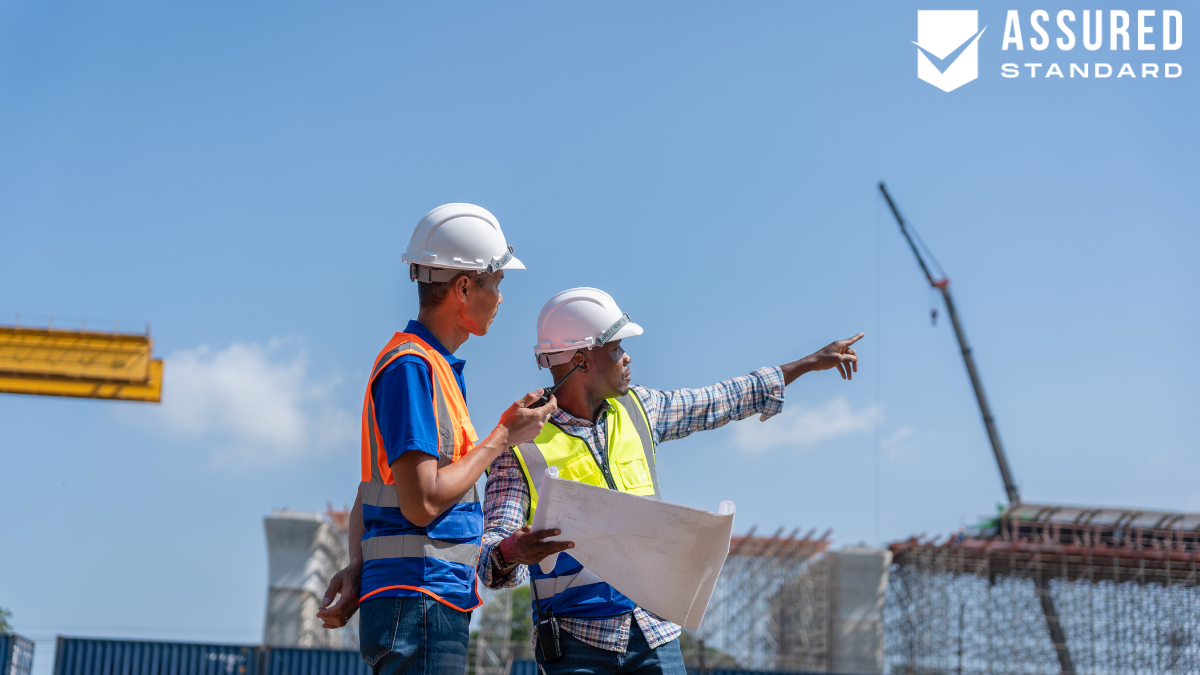
Let's create safety training programs that aren't only thorough but also tailored to our specific workplace needs.
By actively engaging employees and incorporating real-world scenarios, we guarantee that everyone can relate to and apply what they learn.
This approach empowers us to foster a safer work environment where everyone feels prepared and informed.
When devising safety training programs, it’s crucial to tailor content to the specific needs of the workforce. This approach guarantees that everyone receives relevant information, enhancing their ability to manage risks effectively.
We understand that a one-size-fits-all method doesn't work. Instead, we ought to take into account factors like job roles, experience levels, and workplace hazards. By customizing our training, we create an engaging and informative experience.
Here are key elements to reflect on:
This tailored approach fosters a safer and more knowledgeable workforce.
After customizing our training content, we must focus on actively engaging employees to develop robust safety training programs. Engagement is vital because it guarantees that safety practices aren't just learned, but internalized.
We can achieve this by making our training interactive. Let’s incorporate quizzes, group discussions, and hands-on activities. This approach keeps employees attentive and encourages them to think critically about safety.
We should also foster an open environment where employees feel comfortable asking questions and sharing their insights. Encouraging feedback not only enhances understanding but also helps us improve the training experience.
Regularly updating our training materials based on employee input and changing workplace dynamics guarantees relevance. By prioritizing engagement, we can create a culture of safety that permeates our organization.
One effective strategy for developing robust safety training programs is to incorporate real-world scenarios. By using real-life examples, we can bridge the gap between theory and practice, helping everyone better understand potential risks and prepare for them.
Real-world scenarios make training relatable and memorable, enabling us to visualize situations we might face on the job. This approach also encourages problem-solving and critical thinking.
Here’s why real-world scenarios are effective:
Let’s leverage these scenarios to create safer work environments.
Establishing robust communication channels is crucial in mitigating occupational risks effectively. When we guarantee seamless information flow, we empower our teams to respond swiftly to potential hazards.
Let’s focus on creating clear, direct paths for communication. We should utilize tools like emails, instant messaging, and regular meetings to keep everyone informed. Open lines of communication foster a culture of transparency and trust.
It’s essential that we share critical information promptly and accurately. If we can deliver updates in real-time, we’ll reduce the likelihood of misunderstandings.
Additionally, visual aids like charts and diagrams can enhance comprehension, especially in complex situations. By prioritizing effective communication, we’re better equipped to address risks head-on, guaranteeing a safer, more informed workplace for everyone involved.
To truly mitigate occupational risks, we need to encourage employee participation and feedback actively. Engaging our team in safety discussions helps us uncover hidden hazards and innovative solutions. Employees are on the front lines, often spotting potential risks before they escalate.
By fostering an environment where everyone feels heard, we build a culture of safety and collaboration. Here’s how we can achieve this:

While encouraging employee participation and feedback is essential for spotting potential risks, maintaining a safe work environment requires us to regularly review and update our safety protocols.
We need to recognize that workplace dynamics and hazards evolve over time. By consistently revisiting our safety measures, we can adapt to new challenges and guarantee everyone's well-being.
Let’s schedule routine audits to pinpoint areas needing improvement and verify compliance with the latest regulations. When we update protocols, let's communicate these changes clearly across all levels, so everyone stays informed and prepared.
This proactive approach not only helps prevent incidents but also fosters trust and accountability. Together, we can keep our workplace safe and responsive to any emerging risks.
Although many organizations recognize the need for improvement, fostering a culture of continuous improvement requires commitment and focus from all of us.
We need to create an environment where every team member feels empowered to suggest changes and innovations. This means actively listening, valuing input, and acknowledging efforts. By doing so, we can build a resilient organization that adapts and thrives.
To emphasize the importance of continuous improvement, we can:
Let's commit to these steps, ensuring that continuous improvement isn't just a goal but a core part of our organizational culture.
Together, we can achieve excellence.
We can use technology to enhance safety by implementing real-time monitoring systems, predictive analytics, and automation. These tools help us identify risks early, streamline processes, and maintain a safer work environment, ensuring everyone's well-being and productivity.
Leadership guides risk management by setting a clear vision, fostering a safety culture, and ensuring compliance. We must empower teams, provide resources, and encourage open communication to effectively identify and mitigate risks before they escalate.
Yes, there are industry-specific risk strategies. We should tailor our approach to the unique challenges of each industry. For example, healthcare focuses on patient safety, while construction emphasizes site safety and equipment handling. Let's adapt accordingly.
We measure success by analyzing reduced incident rates, cost savings, and improved employee morale. Let’s review performance metrics regularly and adjust strategies based on feedback to guarantee we're effectively minimizing risks and enhancing workplace safety.
If we ignore risk management, we could face legal consequences like fines, penalties, or lawsuits. Let's prioritize compliance and safety protocols to avoid these issues. Staying informed and proactive is essential for organizational integrity and success.
In mastering occupational risk strategies, we need to remember that it's a team effort. Let's prioritize thorough risk assessments and hazard controls while developing robust safety training programs. We should implement effective communication channels and encourage everyone to participate and give feedback. By regularly reviewing and updating our safety protocols, we stay ahead of potential risks. Together, by fostering a culture of continuous improvement, we can create a safer and more resilient workplace for everyone.