In auto transport trucking, we deliver vehicles nationwide with precision and efficiency. We coordinate closely with our clients, skilled drivers, and dispatch teams to guarantee smooth logistics. Utilizing advanced tracking systems, we provide real-time updates. From choosing between open and enclosed transport to evaluating transport costs, we’re committed to meeting your needs. With the right preparation and company, we make your vehicle's journey seamless. Discover insights that could simplify your next vehicle transport experience.
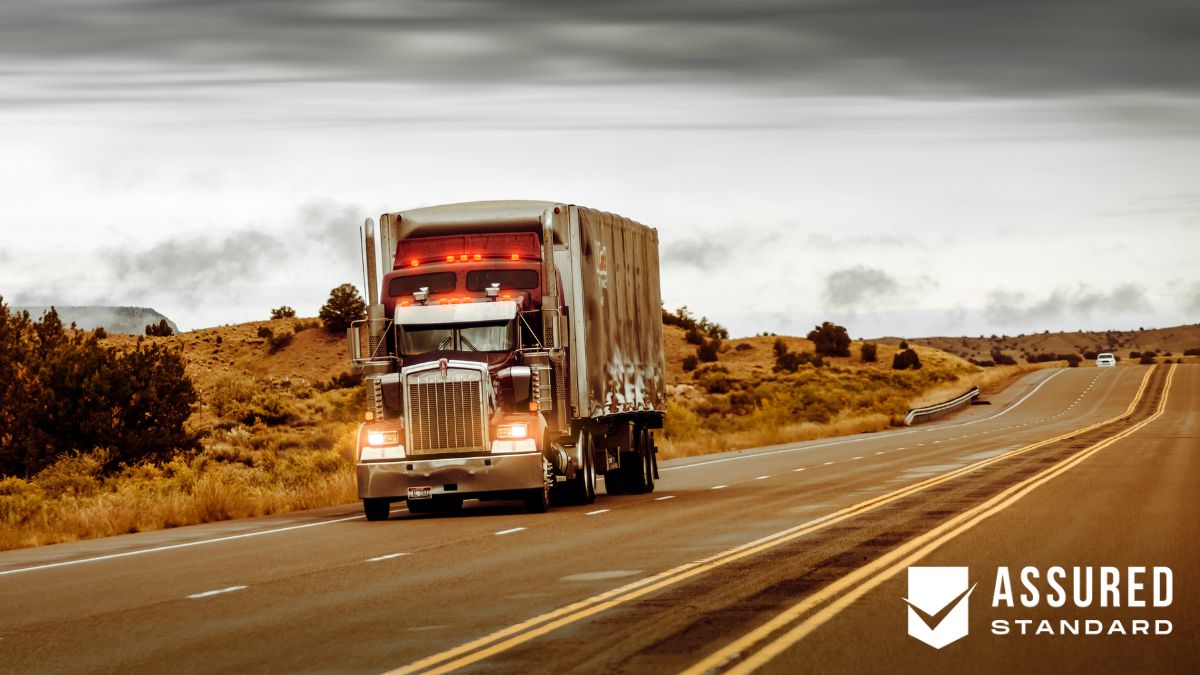
When we explore the world of auto transport trucking, we quickly realize it's more than just moving vehicles from one place to another. It involves a complex system of logistics, timing, and communication.
We must coordinate with clients, drivers, and dispatch teams to guarantee each vehicle reaches its destination safely and on schedule. This process demands precision and expertise.
Understanding this industry means recognizing the importance of the people and technology behind each transport. We rely on skilled drivers who navigate various routes and conditions, guaranteeing the integrity of each vehicle.
Alongside them, advanced tracking systems provide real-time updates, enhancing transparency and trust. By appreciating these elements, we can better grasp the intricate dance of auto transport trucking and its crucial role in our economy.
Although auto transport trucking might seem straightforward at first glance, there are multiple types of services tailored to meet different needs.
We can choose between open and enclosed transport. Open transport is more common and cost-effective, with vehicles transported on open trailers. However, if we’re shipping a luxury or classic car, enclosed transport might be our best bet, as it offers protection from weather and road debris.
For those who need their car to arrive quickly, expedited transport guarantees faster delivery.
There’s also door-to-door service, where the vehicle is picked up and delivered to specific locations, offering convenience. Alternatively, terminal-to-terminal service requires dropping off and picking up the car at designated facilities, often reducing costs.
Each option caters to specific requirements and budgets.
Let's explore how auto transport carriers make vehicle shipping possible.
We'll look at the different types of carriers, how they handle loading and unloading, and the essentials of planning their routes.
Understanding these elements helps us appreciate the complexity and precision involved in safely transporting our vehicles.
Auto transport carriers play a critical role in the vehicle shipping industry, and understanding the different types can help us make informed decisions.
There are two main types of carriers: open and enclosed. Open carriers, which are more common, expose vehicles to the weather but are cost-effective. They’re ideal for standard cars and short distances. Enclosed carriers offer protection from the elements, making them suitable for luxury, classic, or high-value vehicles. They tend to be pricier but provide peace of mind.
We must also consider the size of the carrier. Single-level carriers transport fewer vehicles, offering quicker delivery times, while multi-level carriers can haul more vehicles at once, reducing costs.
Understanding the types of carriers helps us make informed decisions, but the actual process of loading and unloading is equally important.
We want to guarantee our vehicles are handled with care, so let's look at how auto transport carriers manage this vital task.
Loading involves carefully aligning our vehicle on the carrier's ramp, which is typically hydraulic to ensure smooth movement. Once positioned, it's secured using strong straps or wheel chocks to prevent shifting during transit.
Unloading is fundamentally the reverse process, but requires equal precision to avoid damage. We must trust that skilled operators will gently guide our vehicles off the carrier.
Effective route planning is essential for auto transport carriers to guarantee the timely and safe delivery of vehicles. We need to take into account various factors such as road conditions, weather, and traffic patterns. By doing so, we minimize the risk of delays and guarantee the vehicles arrive in perfect condition.
It's our responsibility to choose the most efficient routes, balancing speed with safety. We also account for specific requirements of different states, like weight limits and road restrictions.
Technology plays a significant role here; GPS and route optimization software help us make informed decisions quickly. By staying proactive and adaptable, we prevent potential issues before they arise.
Together, we guarantee that the auto transport process runs smoothly, giving customers peace of mind throughout the journey.
When deciding between open and enclosed transport for our vehicles, we should weigh the protection each option offers against the elements.
Open transport is typically more cost-effective, but it may expose cars to weather conditions, while enclosed transport provides more protection at a higher price.
Additionally, let's consider how delivery timeframes might differ based on the transport type we choose.
While considering the best method for transporting vehicles, we often weigh the protection against the elements that open and enclosed transport offer.
Open transport, the more common choice, exposes vehicles to weather conditions like rain, snow, and sunlight. While cars might get dirty or face minor weather impacts, this method is typically sufficient for standard vehicles.
However, if we’re transporting a classic, luxury, or highly valuable car, enclosed transport becomes appealing. This option provides a shield against all external elements, ensuring our vehicle arrives in pristine condition. It’s like wrapping our prized possession in a protective bubble.
Ultimately, the decision hinges on how much protection we feel our vehicle needs during its journey across the country.
Choosing between open and enclosed transport often comes down to evaluating the cost differences alongside the level of protection each provides.
Let’s dig into what you’re getting for your money. Open transport is typically less expensive, as it can carry more vehicles and uses less equipment. However, it exposes vehicles to the elements.
In contrast, enclosed transport offers more protection but at a higher cost due to limited vehicle capacity and specialized equipment.
Here's how they compare:
Choosing wisely guarantees you balance cost with your vehicle's safety.
After weighing the cost-benefit of open versus enclosed transport, let's examine another vital factor: delivery timeframes.
Open transport generally offers quicker delivery. With more available carriers and routes, open transport vehicles fill up faster, leading to more frequent departures. This means our vehicle could arrive sooner compared to enclosed transport.
On the other hand, enclosed transport, while offering superior protection, often results in longer delivery times. Fewer enclosed carriers operate, and they tend to fill up more slowly, potentially extending our wait.
When timing is essential, open transport might be the better choice for us. However, if our priority leans more towards protection, and we can afford a little extra time, enclosed may still be worth considering.
It’s about balancing speed and security.
Understanding the key factors influencing transport costs is essential for anyone involved in auto transport trucking. Costs can vary widely, so let's break down the main elements that determine these expenses.
When selecting the right transport company, how do we confirm we're making the best choice?
First, let's research the company's reputation. Online reviews and ratings offer valuable insights into their reliability and customer service.
Next, we should verify their credentials. A legitimate company will have the necessary licenses and insurance. It’s essential to ascertain they’re registered with the Department of Transportation.
Let's also consider the services they provide. Do they offer door-to-door delivery or terminal-to-terminal? Understanding these options helps us decide what suits our needs best.
Finally, getting multiple quotes allows us to compare prices, but remember, the cheapest option isn't always the best.
Before handing our vehicle over for transport, we need to confirm it's ready for the journey ahead.
Preparing properly helps guarantee a smooth process and minimizes potential issues.
Let’s focus on a few essential steps:
Following these steps helps us prepare for a successful vehicle transport experience.
Once our vehicle is prepared for transport, we can focus on steering through the delivery process smoothly.
First, let’s confirm our transport company’s schedule, verifying they’ve got accurate pickup and delivery dates. Communication is key—staying in touch with the driver allows us to track progress and address any concerns promptly. Most companies provide tracking tools, making it easier to monitor the journey.
Before the vehicle arrives, we should clear any obstructions in the delivery area to facilitate a seamless drop-off.
It's vital to inspect the vehicle upon arrival, comparing it to the initial condition report to confirm it’s in the expected state.

To guarantee our vehicle delivery goes off without a hitch, let’s focus on a few practical tips that can make a big difference.
First, we should thoroughly research and select a reputable auto transport company. Reviews and ratings from previous customers can provide valuable insights.
Second, it's vital to prepare our vehicle before shipping. This means removing personal items, checking for leaks, and ensuring the battery is charged.
Finally, understanding the terms of the transport contract is essential. We need to know the insurance coverage details and any potential additional fees.
Here's a quick recap:
When we transport vehicles, we usually have coverage options like carrier liability and additional insurance. Let’s make certain we comprehend policy details, coverage limits, and exclusions to protect our vehicles fully during transit. Let's choose wisely!
Yes, we can track our vehicle during transport. Most auto transport companies offer tracking services. We simply need to access the tracking system online or contact the customer service team to get real-time updates.
Yes, there are restrictions. We can't transport oversized vehicles or those with hazardous materials. It's important to check with the carrier about specific limitations and prepare accordingly. Let's guarantee a smooth process by confirming details beforehand.
We guarantee that transport drivers are thoroughly vetted and trained by conducting background checks, evaluating driving records, and providing specialized training. They learn safety protocols, vehicle handling, and customer service skills, ensuring your vehicle's safe and efficient delivery.
If our vehicle's damaged during transit, we should first document the damage with photos. Then, let's contact the transport company immediately. They'll guide us through their claims process and help guarantee any necessary repairs are covered.
In summary, we've explored the ins and outs of auto transport trucking, from the different service types to choosing the right carrier. By understanding open versus enclosed transport and the factors that influence costs, we can make informed decisions. Preparing our vehicle and steering through the delivery process guarantees a smooth experience. Remember, selecting a reputable company and following these tips will lead to a successful vehicle delivery. Let's hit the road with confidence and ease!