When choosing the best collision coverage for fleet vehicles, we must consider coverage limits and deductibles to balance protection and cost-effectiveness. It’s important to evaluate the reputation and financial stability of insurance providers like GEICO, Progressive, or Nationwide. Customizing coverage to fit our fleet's unique needs while avoiding common pitfalls guarantees efficient and economical protection. By understanding these factors, we’ll be prepared to make informed decisions that protect our fleet efficiently. There's more to explore beyond just these basics.
When managing fleet vehicles, understanding collision coverage is vital for protecting our investments and maintaining operational efficiency. Collision coverage helps us handle the financial impact of accidents, guaranteeing repairs or replacements don’t drain our resources. It covers damages from collisions with other vehicles or objects, giving us peace of mind when our fleet is on the road.
We must comprehend the specifics of our policies, such as deductibles and limits, to make informed decisions. Each fleet's needs can vary, so tailoring coverage to match our unique requirements is significant.
When we're selecting collision coverage for our fleet vehicles, it's vital to understand the importance of coverage limits and deductibles.
We'll need to evaluate how these factors align with our fleet's value to guarantee we're adequately protected without overpaying.
Although choosing collision coverage for fleet vehicles might seem challenging, understanding coverage limits and deductibles is essential for making informed decisions.
Coverage limits define the maximum amount the insurer will pay for a claim, so we need to guarantee these limits align with our fleet's needs. If they're too low, we risk out-of-pocket expenses; if they are too high, we might overpay on premiums.
Deductibles, the amount we pay before insurance kicks in, also impact our costs. A higher deductible typically lowers premiums but increases immediate outlay during claims. Conversely, a lower deductible raises premiums but reduces upfront costs.
Balancing these factors helps us find coverage that protects our fleet efficiently and economically, guaranteeing we're prepared for any collision-related expenses.
Understanding fleet vehicle valuation is essential when selecting collision coverage. We need to accurately assess our fleet's value to guarantee we're not overpaying for coverage or leaving ourselves underinsured.
First, let's determine the market value of each vehicle. This involves considering age, mileage, condition, and any modifications. Accurate valuations help us decide on appropriate coverage limits.
Next, we should evaluate the depreciation rate of our fleet vehicles. Understanding how quickly our assets lose value can guide our decision on the type of collision coverage that makes the most sense.
A fleet with rapidly depreciating vehicles might benefit from different coverage than a newer fleet. By carefully considering these factors, we can choose the best collision coverage to protect our investment effectively.
Choosing the right collision insurance provider for fleet vehicles can greatly impact a business's bottom line. With numerous options available, it's vital to identify providers known for reliability and extensive coverage.
We've found that companies like GEICO, Progressive, and Nationwide lead the pack due to their tailored fleet solutions and industry reputation. Their policies often include benefits that cater specifically to fleets, such as flexible deductibles and streamlined claims processes.
These features are significant because they can reduce downtime and repair costs. It's also important to take into account customer service quality, as efficient support can ease the stress during an accident.
When comparing coverage options and policy features for fleet vehicles, clarity is key.
We should focus on understanding the different types of coverage available, like extensive and collision, as well as any additional benefits or exclusions. Let’s look closely at policy limits and deductibles, which greatly impact our coverage.
It’s vital to assess how each policy addresses specific fleet needs, such as roadside assistance or rental vehicle coverage.
We should ask ourselves if the policy offers flexibility in adjusting coverage as our fleet evolves. Are there any support services included?
Also, confirming whether the insurer provides an easy claims process is essential. By comparing these features, we’ll make informed decisions that protect our fleet effectively, ensuring our business runs smoothly.
When we evaluate costs and premiums for fleet collision coverage, we need to take into account several factors that influence these expenses, such as vehicle type, driving history, and geographic location.
By comparing premium rate options from different providers, we can identify the most cost-effective solutions for our needs.
Let's also explore strategies to reduce overall fleet insurance expenses without compromising on coverage quality.
Although managing fleet vehicles can be complex, understanding the factors that influence collision coverage costs is essential for making informed decisions.
Let's explore these vital elements. First, the type and age of our vehicles greatly affect premiums. Newer models might cost more due to their higher value.
Second, our fleet's driving history plays an important role. A clean record can lead to lower costs, while frequent claims may increase them.
Third, the location where our vehicles operate matters; areas with high traffic or crime rates might lead to higher premiums.
Finally, the number of vehicles in our fleet can impact costs, as insurers may offer discounts for larger fleets.
Understanding the factors that influence our collision coverage costs sets the stage for evaluating premium rate options. We need to navigate these options to guarantee we're getting the best value for our fleet.
Different insurers offer varying rates based on factors like vehicle types, driving records, and coverage limits. By comparing these rates, we can identify which policies align with our budget and operational needs.
It's essential to examine the fine print, including deductibles and any exclusions that could affect our claims. Additionally, consider if bundling policies with one insurer might offer discounts.
As we engage in reducing fleet insurance expenses, it’s vital to focus on evaluating the costs and premiums of our collision coverage. By analyzing our current policy details, we can identify areas for cost-saving opportunities.
Let’s start by examining the deductible options; a higher deductible can lower premiums, but we must balance this with our risk tolerance. Next, consider bundling policies, which might offer discounts.
Regularly reviewing our claims history helps us understand trends and adjust coverage accordingly. We should also explore telematics, which provides insights into driver behavior and potentially reduces costs.
Finally, seeking quotes from multiple insurers guarantees we’re not overpaying. By being proactive and informed, we can effectively manage our fleet insurance expenses without sacrificing coverage.
When managing a fleet of vehicles, investing in extensive collision coverage can provide significant peace of mind and financial security.
We recognize that unexpected accidents can happen at times, and the costs can be overwhelming. Thorough collision coverage helps us protect our assets by covering damage repair costs resulting from collisions, whether they involve another vehicle or an object like a fence or pole.
This type of coverage guarantees our fleet stays operational, minimizing downtime and avoiding the financial strain of major repairs. Additionally, it helps us manage risks more effectively so we can focus on our business without worrying about unforeseen expenses.
While extensive collision coverage protects our fleet against unforeseen accidents, choosing the right insurance provider is just as essential.
To assess an insurer's financial stability, let’s examine a few key indicators. First, we should review credit ratings from agencies like A.M. Best, Moody's, or Standard & Poor’s. These ratings reflect the company’s ability to meet its financial obligations.
Next, analyzing the insurer’s financial statements provides insights into its assets, liabilities, and overall financial health. Additionally, we should consider the company’s claims settlement history to verify they handle claims efficiently and fairly.
When customizing collision coverage for our fleet, let's first assess the types of vehicles we operate, as this will influence our coverage needs.
Next, we should determine appropriate coverage limits to guarantee our assets are fully protected without overspending.
Finally, evaluating deductible options can help us balance upfront costs with potential future savings, creating a plan that's both effective and economical.
Understanding the specific types of vehicles in your fleet is essential for tailoring collision coverage that truly meets your needs. Different vehicles require different considerations.
Are we managing compact cars, heavy-duty trucks, or specialized equipment? Each type has unique risks and uses, which impact coverage needs.
Let’s consider a fleet with a mix of sedans and delivery vans. Sedans might face more urban traffic hazards, while vans could be more prone to loading and unloading mishaps.
We must evaluate these factors to guarantee our coverage is thorough yet cost-effective.
To effectively determine coverage limits for our fleet, we must first assess the unique risks associated with each vehicle type. This process guarantees that we’re not over-insuring or under-insuring, thereby optimizing our costs and coverage.
Let’s consider several factors that can help us customize our collision coverage:
Choosing the right deductible for our fleet’s collision coverage is vital to balancing risk and cost. We should consider our fleet's specific needs and financial capacity. A higher deductible reduces our premium but increases out-of-pocket costs when accidents occur, while a lower deductible does the opposite.
Let’s ask ourselves: How frequently do we experience claims, and can we handle higher costs upfront?
Analyzing our fleet’s accident history will inform our choice. If accidents are frequent, a lower deductible might be beneficial despite higher premiums. On the other hand, infrequent claims might justify a higher deductible to save on premiums.
It’s important we review our budget and cash flow to guarantee we’re prepared for potential expenses, making sure our fleet is protected and financially secure.
When selecting collision coverage for fleet vehicles, we must be wary of several pitfalls that could lead to inadequate protection or unnecessary costs.
It's essential to navigate this process with a keen eye for detail and a clear understanding of our fleet's specific needs.
Here are common pitfalls to avoid:
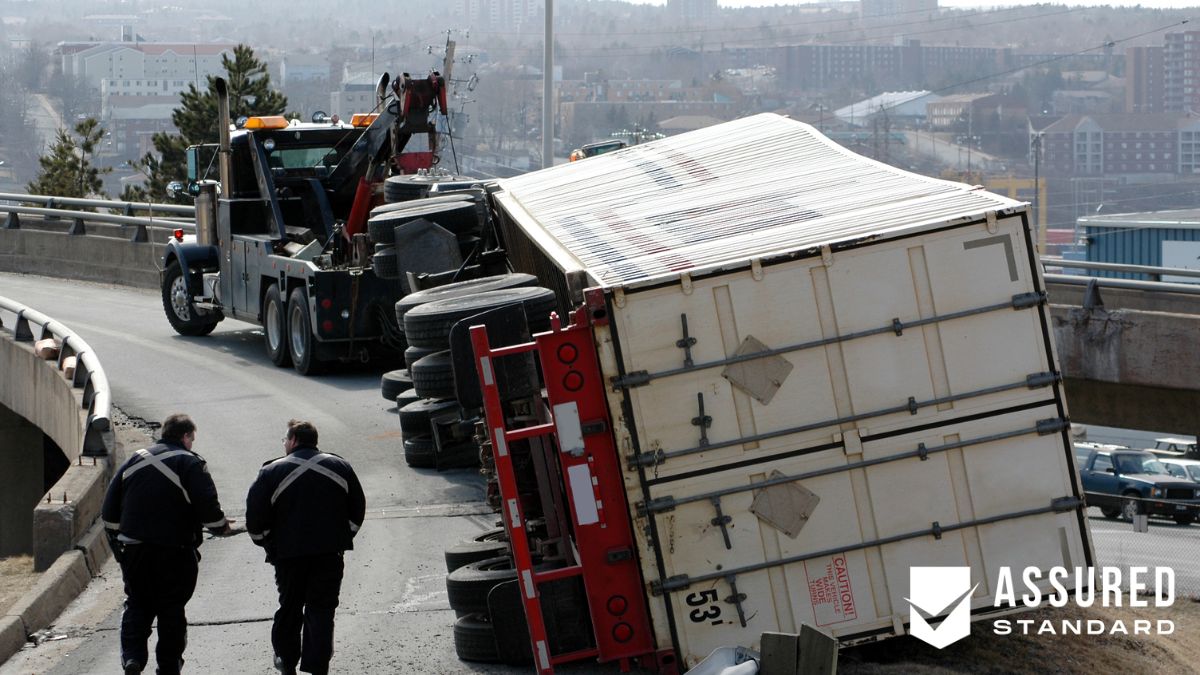
Although fleet accidents are sometimes unavoidable, guaranteeing a smooth claims process can greatly mitigate the stress and disruption they cause.
First, let's keep detailed records of each vehicle and driver. Accurate documentation is essential.
Next, when an accident occurs, promptly report it to your insurance provider with all necessary details. This speeds up the process.
We should also establish a clear internal protocol for handling accidents, making sure everyone knows their role. Regularly review and update this protocol based on past experiences.
Don’t forget to maintain open communication with your insurer throughout the process, asking questions and seeking clarifications when needed.
Finally, consider working with an insurance broker who can advocate for us and streamline communications.
These steps help guarantee efficiency and peace of mind.
Collision coverage can boost our fleet's resale value by ensuring repairs after accidents are covered. Buyers often prefer vehicles with a history of coverage, as it suggests maintained condition and reduced out-of-pocket repair costs for them.
Yes, telematics data can influence collision coverage premiums. By providing insights into driving behavior, we can negotiate lower rates with insurers. Safer driving patterns often result in reduced premiums, benefiting our bottom line and improving fleet efficiency.
Driver training plays an essential role in reducing collision coverage costs. By investing in thorough programs, we guarantee safer driving habits, which insurers often reward with lower premiums. Let's prioritize training to keep our expenses and risks minimized.
Yes, there are incentives for eco-friendly fleet vehicles in collision coverage. Insurers often provide discounts or lower premiums for fleets with hybrid or electric vehicles, encouraging environmentally conscious choices while managing costs. Let's explore these options together.
Seasonal changes affect our collision coverage costs because weather conditions influence accident rates. In winter, we may face higher premiums due to icy roads. Let's review our policy to guarantee it accounts for these seasonal risks.
In summary, when selecting collision coverage for our fleet vehicles, it's essential that we assess all available options carefully. We need to evaluate key factors like cost, coverage specifics, and the financial stability of our chosen insurance provider. By customizing policies to fit our unique needs and avoiding common pitfalls, we can guarantee we're making informed decisions. Let's stay proactive in managing our coverage, ensuring a smooth claims process, and safeguarding our fleet's future.