
When considering interchange insurance, we need to pay attention to its exclusions, as they greatly impact our coverage. These exclusions often include pre-existing conditions, intentional damage, and natural disasters. They can leave us vulnerable if we're not careful. Knowing these limitations helps us make informed decisions and avoid unexpected surprises. So, let's explore the intricacies of these exclusions and see how they might affect our insurance strategy.
When considering interchange insurance, it's crucial to understand how pre-existing conditions are treated. We must recognize that not all conditions fall under coverage. Insurers typically exclude these conditions to manage risk effectively.
By identifying existing issues before coverage begins, they can provide fair and equitable terms for everyone involved. Understanding this helps us anticipate what mightn't be covered, allowing us to make informed decisions about our insurance needs.
We should review the terms carefully and ask questions if anything seems unclear. This way, we can confirm the policy aligns with our expectations and needs. Let's stay proactive and check our options thoroughly.
Ultimately, knowing these exclusions empowers us to select a plan that best suits our requirements and offers peace of mind.
When we look at interchange insurance, it's essential to understand how intentional damage is treated.
Insurers often exclude coverage for malicious acts since these are deliberate and not accidental.
Additionally, there are usually strict limits on claims related to vandalism, emphasizing the importance of reviewing these terms in our policies.
While interchange insurance provides essential protection for a variety of unforeseen events, it typically excludes coverage for malicious acts or intentional damage. This exclusion reflects the principle that insurance is meant to cover accidents, not deliberate harm.
When someone intentionally damages property, it’s not an unforeseen event, but a calculated action. As policyholders, we must understand that insurers expect us to take reasonable steps to prevent such acts, ensuring that our properties aren’t left vulnerable.
Understanding exclusions for malicious acts leads us to examine another aspect of interchange insurance—coverage limits on vandalism. Vandalism can be unpredictable, so it's vital for us to understand how these limits impact our protection.
Let's break down the fundamentals.
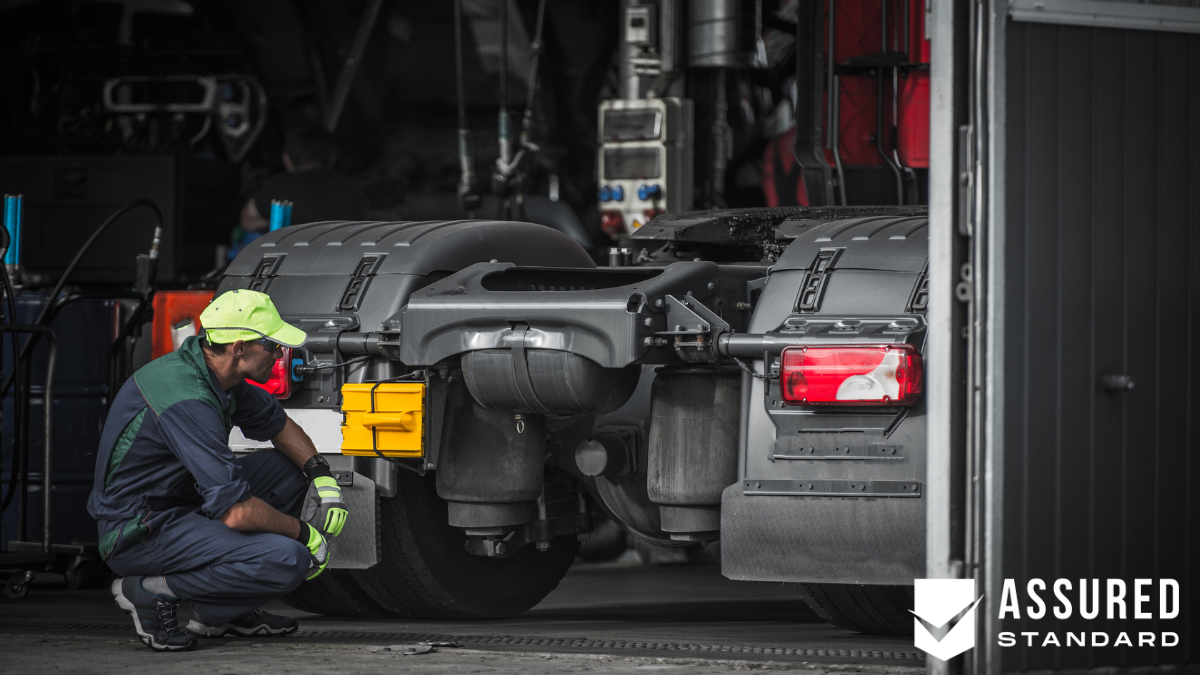
Though it might seem frustrating, wear and tear is a common exclusion found in many interchange insurance policies. We should understand that this exclusion is standard because normal deterioration is inevitable with use over time.
Insurers expect us to maintain our vehicles regularly to prevent damage that could have been avoided. This means routine checks, timely repairs, and addressing minor issues before they escalate.
Let's consider, for example, tires and brakes. As these components naturally degrade, insurance won't cover their replacement under wear and tear.
It's vital for us to recognize these exclusions so we're not caught off guard. By staying informed and proactive, we can better manage our expectations and guarantee our vehicles remain in good condition without relying solely on insurance.
When it comes to unauthorized use, we need to focus on protecting against fraud and understanding our liability for stolen cards.
It's essential that we report unauthorized transactions promptly to minimize our financial exposure.
Fraud can pose a significant risk to our financial well-being, so it’s essential we take proactive measures to safeguard against unauthorized use.
We can minimize exposure by adopting a few simple practices. Here’s how we can protect ourselves:
Taking these steps empowers us to stay vigilant.
Although it can be unsettling to discover our card has been stolen, understanding our liability for unauthorized use can provide some peace of mind.
Most credit card companies assure us that we won’t be held responsible for fraudulent charges beyond a certain limit. According to the Fair Credit Billing Act, our liability is usually capped at $50 for unauthorized credit card transactions.
However, many card issuers waive this fee entirely, offering zero liability policies. It’s crucial to recognize that these protections typically apply to credit cards, not debit cards, which might've different terms.
Understanding our liability for stolen cards is just the first step in protecting ourselves. Reporting unauthorized transactions promptly is essential. We need to act swiftly to minimize potential losses and liability.
Here’s how we can effectively report these incidents:
When evaluating interchange insurance policies, it’s vital to mention that acts of war or terrorism are typically excluded from coverage. This exclusion means that if losses occur due to war or terrorism, our policy won’t cover them.
Understanding this limitation is important for us to make informed decisions.
We might wonder why these exclusions exist. Insurers view acts of war and terrorism as unpredictable and catastrophic risks, challenging to quantify or manage. They could lead to widespread damage, making it costly for insurers to cover.
While we may never face such events, knowing our policy’s boundaries helps us plan.
Let’s guarantee we’re aware of alternative coverage options, like specialized war risk insurance, if we feel we need extra protection.
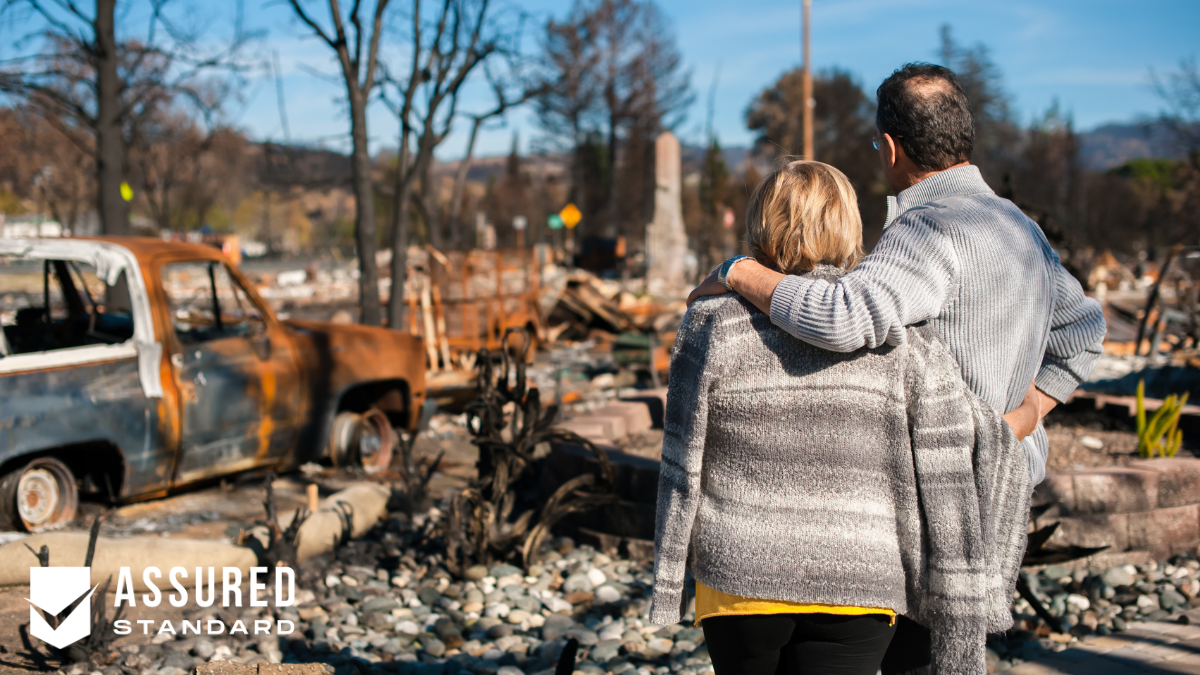
Having considered the exclusions related to acts of war or terrorism, we should also focus on how insurance policies handle natural disasters.
These unpredictable events, like earthquakes, floods, and wildfires, often present a complex challenge for policyholders. It's vital we comprehend what's typically excluded in these scenarios.
Comprehending these exclusions helps us make informed decisions about our insurance needs.
Although it's tempting to make modifications to our property for improved functionality or personal preference, unapproved changes can complicate interchange insurance claims. Insurers often exclude coverage for alterations not sanctioned by them or those that don't meet specific standards.
This exclusion exists because unapproved modifications might alter the property's risk profile, making it more vulnerable to damage or loss.
We must remember that while personalizing our space is important, ensuring these changes comply with our insurance policy is essential. Before starting any project, let's check with our provider to understand what's allowed.
No, it doesn't cover accidental damages caused by pets. We recommend checking your policy details for specific exclusions. If you're concerned about pet-related incidents, let's explore additional coverage options that better suit your needs.
Losses from cyber attacks aren't typically covered. We should check our policy details to ascertain we're protected. It's essential to understand what’s included and seek additional coverage if cyber security is a priority for us.
We start by notifying our insurance provider about the theft. Then, we gather and submit necessary documents like a police report and proof of ownership. Let's guarantee everything's complete to expedite our claim process smoothly and efficiently.
Yes, we can get coverage for business-related equipment. Let's review our policy details to guarantee it includes the necessary protection. We'll need to assess our specific needs and discuss any exclusions or limitations with our insurance provider.
No, damages from sports activities aren't covered. We should carefully review our policy's exclusions section to understand what's not included. This way, we can avoid surprises and plan for any potential risks that might arise.
In steering through the complexities of interchange insurance, it’s vital that we’re all aware of the exclusions to avoid unexpected surprises. We’ve discussed how pre-existing conditions, intentional damage, and wear and tear aren’t typically covered. Unauthorized use and modifications can also complicate matters, while acts of war, terrorism, and natural disasters usually require separate policies. By understanding these exclusions, we empower ourselves to make informed decisions and guarantee we’re adequately protected under our insurance coverage.