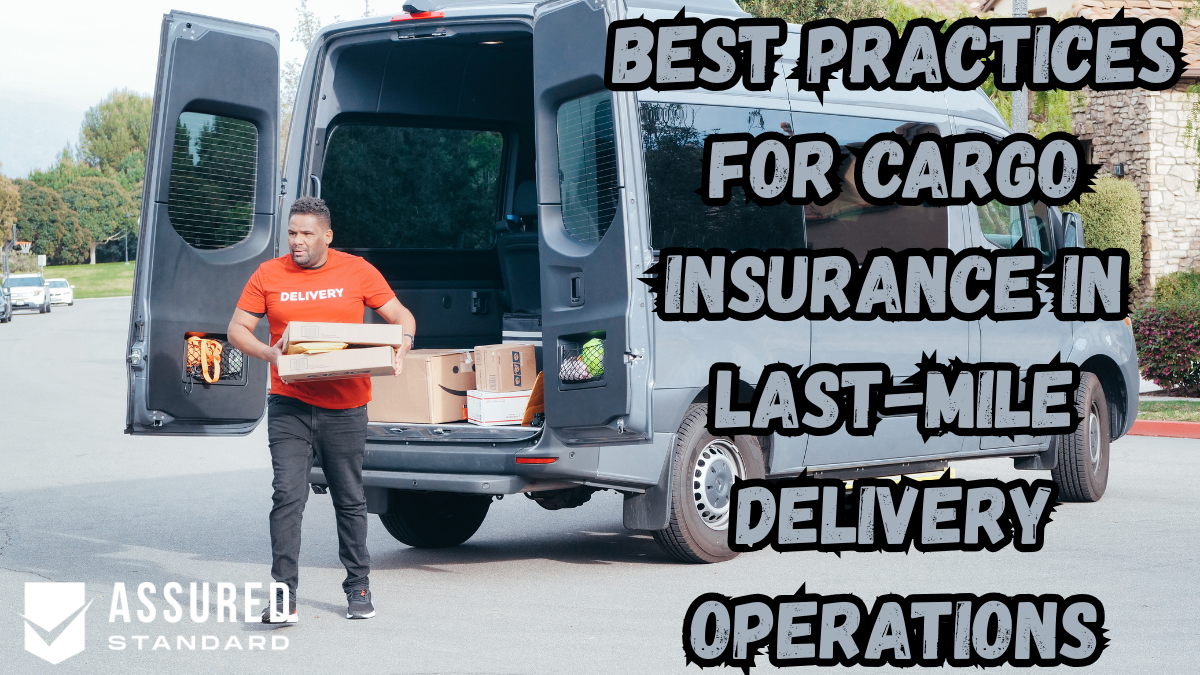
In our rapidly evolving logistics landscape, last-mile delivery operations demand a keen focus on cargo insurance. We recognize that choosing the right coverage and provider can be intimidating. By evaluating risk factors like traffic and theft, and integrating technology, we can enhance our operations' security. Let’s explore how these best practices not only safeguard our shipments but also streamline our claims process, ensuring a reliable delivery experience.
While many of us may overlook it, understanding the importance of cargo insurance is essential for safeguarding our shipments.
In last-mile delivery, unexpected incidents can disrupt even the most carefully planned logistics. Cargo insurance acts as a safety net, protecting our investments against damage, theft, or loss during transit.
We can't predict every challenge our shipments might face, like accidents or natural disasters, but we can prepare for them.

As we explore evaluating different types of cargo insurance coverage, it’s important to identify which options best align with our shipping needs.
We should consider the scope of coverage, including all-risk policies that protect against a wide variety of potential issues, versus named-perils policies that cover specific events.
Understanding the difference between full-value and limited coverage guarantees we’re not left with unexpected costs. Full-value policies cover the total value of our goods, while limited coverage might pay only up to a certain amount.
Let’s also not overlook the significance of exclusions; knowing what’s not covered helps us make informed decisions.
Steering through the complexities of last-mile delivery requires a keen understanding of the unique risk factors involved. As we navigate this critical stage, we must consider variables such as traffic congestion, weather conditions, and delivery route unpredictability. Each factor can notably impact the efficiency and safety of our operations.
We should also examine the possibility of theft or loss, particularly in urban areas with high crime rates. In addition, handling fragile or high-value goods demands extra precautions, as these increase liability.
It’s essential to assess the reliability of our delivery partners and the technology they use. Real-time tracking and communication systems can mitigate some risks by providing timely updates and allowing us to adapt swiftly to changing circumstances. By addressing these factors, we enhance our delivery success.
How do we guarantee the peace of mind that comes with choosing the right insurance provider for our cargo needs?
First, we should prioritize providers with a strong reputation and proven track record in handling claims efficiently.
It’s crucial that we assess their financial stability to confirm they can cover potential losses.
Let’s not forget to compare the policies each provider offers, focusing on coverage specifics, exclusions, and deductibles.
We should also seek recommendations from industry peers to get firsthand insights into their experiences.
Finally, don’t underestimate the importance of good customer service; responsive and knowledgeable support can make a significant difference when issues arise.

Having chosen a reliable insurance provider, we now turn our attention to another essential aspect of cargo protection: integrating technology in risk management. By leveraging technology, we can enhance our ability to anticipate and mitigate risks, ensuring smoother last-mile delivery operations.
Tracking systems allow us to monitor shipments in real-time, quickly identifying potential delays or incidents. These insights enable us to act swiftly, reducing disruptions and safeguarding cargo.
Moreover, predictive analytics help us foresee risks by analyzing historical data, enabling proactive decision-making. We can adjust routes to avoid known hazards or high-risk areas, minimizing exposure to theft or damage.
While technology substantially aids in risk management, it's equally essential to focus on the human element by implementing thorough training for our delivery personnel.
We need to guarantee everyone is well-versed in best practices for handling cargo, understanding routes, and responding to unexpected situations. A well-trained team minimizes risks, reducing insurance claims and improving customer satisfaction.
Training sessions should cover safe loading and unloading techniques, recognizing potential hazards, and effective communication skills.
Regular updates and refresher courses keep skills sharp and knowledge current. By investing in our team, we not only protect our cargo but also empower our personnel to make informed decisions.
Let's prioritize training as a critical component of our strategy, enhancing both safety and efficiency in our operations.
Let's focus on establishing clear claims procedures to guarantee smooth and efficient processing.
We should streamline the documentation process, making it straightforward and user-friendly for all parties involved.
Additionally, it's essential to define clear timeframe expectations, so everyone knows when to anticipate resolution and payment.
To streamline the documentation process in cargo insurance, it's essential that we establish clear claims procedures. We need to guarantee that everyone involved knows exactly what's required when a claim arises.
By creating a straightforward checklist, we can help reduce confusion and make the process less intimidating for all parties. This checklist should include all necessary documents, such as proof of delivery, incident reports, and photographs of any damage.
Additionally, let's implement standardized forms that capture consistent information across different claims. This approach not only saves time but also minimizes errors.
We should also offer training sessions to guarantee that our team and partners understand these procedures thoroughly. By doing so, we'll enhance efficiency and guarantee that claims are processed smoothly and swiftly.
Having streamlined our documentation process, we now focus on defining timeframe expectations to confirm clarity in claims procedures.
Establishing clear timelines helps us and our clients navigate claims efficiently, minimizing delays and misunderstandings.
Let’s outline specific stages—like claim submission, assessment, and resolution—and assign realistic timeframes to each.
This approach confirms everyone knows what to expect and when.

As we navigate the complexities of cargo insurance, it's crucial to continuously monitor and review our insurance policies to guarantee they align with our needs and market changes.
Policies that suited us last year mightn't be sufficient today. Market conditions, regulatory shifts, and operational dynamics evolve, affecting coverage requirements. By routinely evaluating our policies, we guarantee they reflect our current risk landscape and operational changes.
We should regularly consult with our insurance providers, discussing any new challenges or adjustments in our delivery operations.
This proactive approach helps us identify gaps or overlaps in coverage, guaranteeing we're not overpaying or under-protected. Staying informed and adaptable empowers us to make strategic decisions, safeguarding our operations and maintaining financial stability.
In summary, we've explored the essential role of cargo insurance in last-mile delivery. By evaluating coverage options, analyzing risks, and choosing reputable providers, we can safeguard our operations. Integrating technology and providing thorough training for our delivery personnel further strengthens our approach. Let’s not forget the importance of clear claims procedures and regularly reviewing our policies. By taking these steps, we’ll enhance the security and reliability of our logistics, ensuring peace of mind for everyone involved.