When we find ourselves in the turmoil of a no-insurance accident, it's crucial to act swiftly and strategically. Our first task is gathering solid evidence to support our case, from photos to witness accounts. Then, we'll need to consult with a seasoned personal injury attorney to understand our legal standing. But how do we take that final step and pursue legal action effectively? Let's explore the essential steps together.

When we find ourselves in an accident without insurance, the first crucial step is to assess the situation and gather evidence.
Let's guarantee everyone's safety and call emergency services if needed. Once we're certain it's safe, we should document everything.
Take clear photos of the scene, including vehicle damage, road conditions, and any visible injuries. It's important to exchange details with the other party—names, contact information, and vehicle details.
Don't forget to jot down the names and badge numbers of any responding officers, along with the incident report number. Gathering witness statements can also be beneficial.
With evidence in hand, our next step is to consult with a personal injury attorney who can guide us through the legal maze that follows an uninsured accident. This professional will help us understand our rights and the options available to us.
They’re skilled at maneuvering through the complexities of personal injury law and can assess the strength of our case.
When meeting with the attorney, we should bring all gathered documents, including photos, witness statements, and any medical records.
A qualified attorney will evaluate these materials to determine the best course of action. It's essential to choose someone with a solid reputation and experience in handling uninsured accident cases.
Their expertise can make a significant difference in ensuring we’re informed and prepared for the next steps.
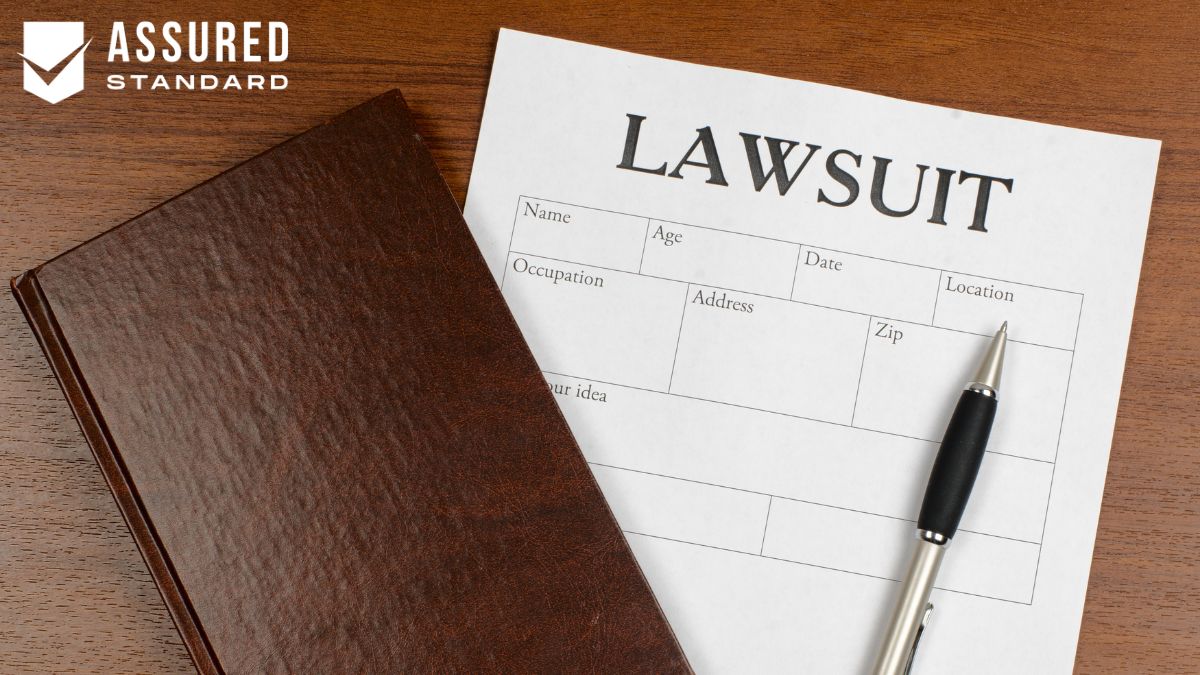
After consulting with our attorney, we're ready to take the crucial step of filing a lawsuit to pursue the compensation we deserve.
This process begins with preparing a complaint that outlines the details of the accident, the damages we’ve suffered, and the legal basis for our claims. It’s essential to gather evidence, including medical records and witness statements, to strengthen our case.
Next, we’ll file the complaint in the appropriate court and serve it to the defendant. This notifies them of our intent to seek legal remedy.
Throughout this process, our attorney will guide us, ensuring that deadlines are met and legal protocols are followed. By taking these steps, we’re actively working to secure the justice and compensation that’s rightfully ours.
Let's first consult with a healthcare provider and get all necessary treatments. Then, we can explore setting up a payment plan or look into medical liens. It's essential to keep detailed records to assist in future claims.
Yes, we can receive compensation if the other driver is uninsured by filing a claim under our uninsured motorist coverage. If we don't have this coverage, legal action against the driver is another option.
If the accident's partially our fault, we can explore shared liability options. We might negotiate settlements or adjust claims based on comparative fault laws. Consulting a lawyer helps us understand our rights and potential outcomes better.
We typically have two to three years to file a lawsuit after an accident, depending on our state's statute of limitations. It's essential to check local laws to guarantee we don't miss the deadline to pursue legal action.
If the at-fault driver won't pay, let's first gather all the evidence. Then, we can contact an attorney to explore options like filing a lawsuit. It's essential we act quickly to protect our rights and seek compensation.
In these challenging times, we must act swiftly and wisely. First, let's gather all necessary evidence to strengthen our case. Next, we'll consult with a skilled personal injury attorney to explore our legal options. If needed, we'll proceed with filing a lawsuit, ensuring each step is meticulously documented. Together, we'll seek the compensation we deserve, turning a difficult situation into a pursuit of justice. Let's face this challenge head-on and find the resolution we need.