Maneuvering through commercial truck insurance claims can be intimidating, but we're here to simplify it. Having a clear understanding of coverage options and the claims process is essential. By promptly reporting incidents and gathering the right documentation, we can minimize downtime and financial loss. Avoiding common pitfalls and maintaining open communication with adjusters also play an important role. Let's explore how these steps can make our claims experience smoother and more efficient.
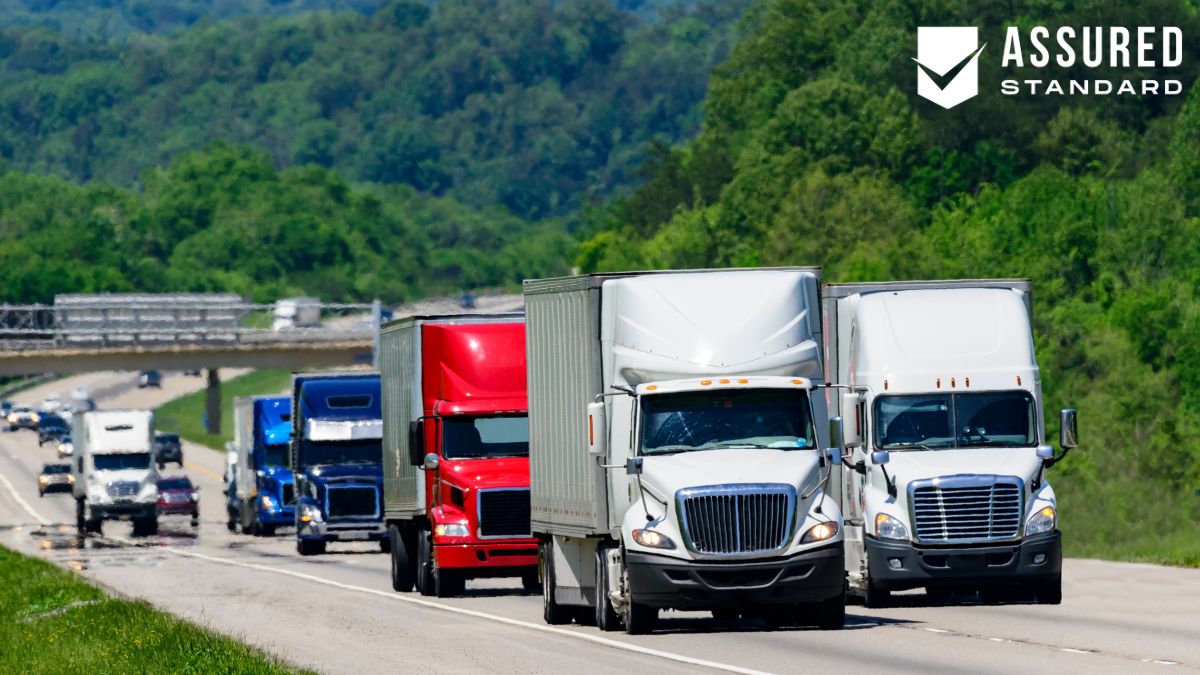
When it comes to commercial truck insurance, understanding the different types of coverage is vital for guaranteeing your business is adequately protected. We must familiarize ourselves with the various options available.
Liability insurance covers damages we might cause to others in an accident. It’s required by law.
Physical damage insurance, which includes comprehensive and collision coverage, protects our trucks from damage due to accidents, theft, or natural disasters.
Cargo insurance is essential, as it covers the goods we transport.
Don’t forget uninsured motorist coverage—this protects us if we’re hit by someone without insurance.
Each type serves a purpose, and together, they offer a safety net for our operations. By understanding these coverages, we guarantee our business remains secure in uncertain times.
Having a solid grasp of our insurance coverage options sets the stage for efficiently maneuvering the claims process.
First, we should immediately report the incident to our insurer. Prompt notification guarantees our claim's timeline stays on track.
Next, let's gather all necessary documentation, including police reports, photos of the incident, and witness statements. This information supports our claim's validity.
After we've compiled the evidence, we need to complete the claims form, providing detailed and accurate information. It's essential to keep copies of all submitted documents for our records.
Finally, let's stay in touch with our insurance adjuster, following up regularly to address any questions or additional information requests. By taking these steps, we're better equipped to handle the claims process smoothly.
Though the claims process can be straightforward, we often stumble into common pitfalls that complicate our efforts. One significant mistake is delaying the report of an incident. Prompt notification is essential; otherwise, we risk missing deadlines and weakening our claim.
Another error isn't thoroughly documenting the scene. Detailed photos and notes provide solid evidence that supports our case. We must resist underestimating the importance of accurate information. Incorrect details can lead to misunderstandings and delay settlements.
Often, we forget to review our policy thoroughly. Understanding coverage guarantees we comprehend what to expect.
Finally, avoiding communication with our insurer can backfire. Regular updates and responsiveness help maintain clarity and foster a smoother claims experience.
Let's steer clear of these missteps.
Now that we've identified key mistakes to avoid, let's focus on minimizing downtime and financial loss during claims.
First, maintain thorough records of all vehicle maintenance and incidents. This documentation speeds up the claims process.
Regularly update your fleet’s insurance policies to reflect current values, reducing potential coverage gaps.
Implement a proactive safety program; fewer accidents mean fewer claims and less downtime.
When an accident occurs, promptly report it to your insurer, providing detailed information. Quick reporting can expedite the process, getting trucks back on the road faster.
Consider establishing partnerships with repair shops that understand our business needs for quick turnarounds.

How can we guarantee smooth interactions with insurance adjusters and agents?
First, let's make certain we're prepared with all necessary documentation at hand. Accurate records of the incident, including photographs, driver statements, and repair estimates, will help us communicate effectively.
Next, remember that clear and respectful communication goes a long way. We should aim to be concise and precise in our discussions, outlining facts without unnecessary details. It's also essential to ask questions if something isn't clear. By doing so, we can avoid misunderstandings and make sure we're on the same page.
Finally, let's follow up regularly on our claim's progress. By staying proactive and attentive, we can foster a cooperative relationship that benefits everyone involved in the claims process.
We recognize you're curious about the impact of insurance premiums on claim payouts. They're related but separate; higher premiums don't guarantee larger payouts. Instead, premiums reflect risk levels and coverage, influencing overall protection. Let's review this to guarantee clarity.
Yes, previous claims can impact our future insurance coverage. Insurers assess our claim history to determine risk levels. High-frequency claims might lead to higher premiums or limited coverage options. Let's manage our claims wisely to maintain favorable terms.
We're here to help you understand the role of a claims adjuster. They assess damage, determine coverage, and negotiate settlements. By doing this, they guarantee fair resolutions for both the policyholder and the insurance company.
Yes, there are specific insurance requirements for leased trucks. We need to guarantee our leased vehicles meet both state and lease agreement standards, often including liability, physical damage, and sometimes cargo insurance. Let's review these together.
When multiple parties are at fault, insurance companies assess each party's responsibility. They determine liability percentages and adjust claims accordingly. We should communicate with our insurer for guidance and guarantee that accurate information is provided to resolve the case.
In maneuvering commercial truck insurance claims, we must act swiftly and decisively. By understanding our coverage, promptly reporting incidents, and gathering essential documentation, we can streamline the process. Let’s avoid common pitfalls, like delaying notifications or providing inaccurate info, and maintain clear communication with our insurance adjusters. By following these steps, we can minimize downtime and financial loss, ensuring our operations get back on the road smoothly and efficiently. Together, we can master this process.