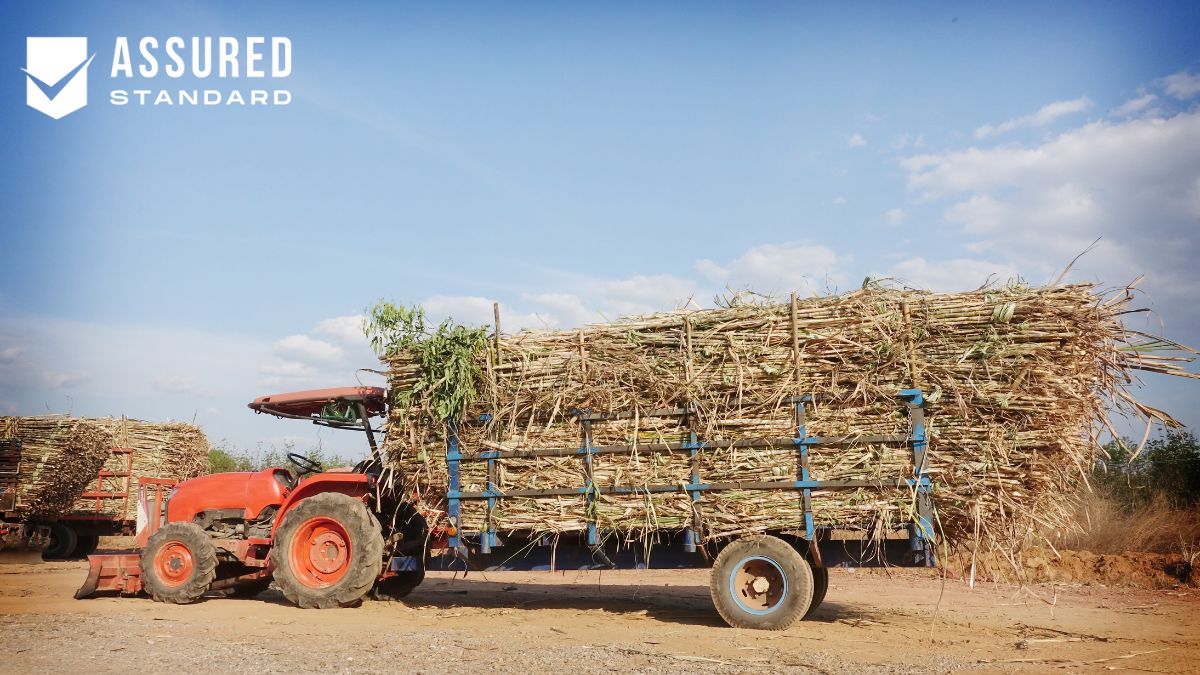
Agricultural trucking is essential for connecting farms to consumers, ensuring fresh produce and farm goods reach markets efficiently. It helps prevent spoilage, maintains quality, and supports economic growth through stable jobs. Overcoming challenges like seasonal variability and infrastructure issues, it adapts with technology—GPS tracking, telematics, and electric trucks—improving efficiency and sustainability. By minimizing waste and empowering rural economies, agricultural trucking strengthens the food supply chain. Discover how these advancements shape the future of agricultural transport.
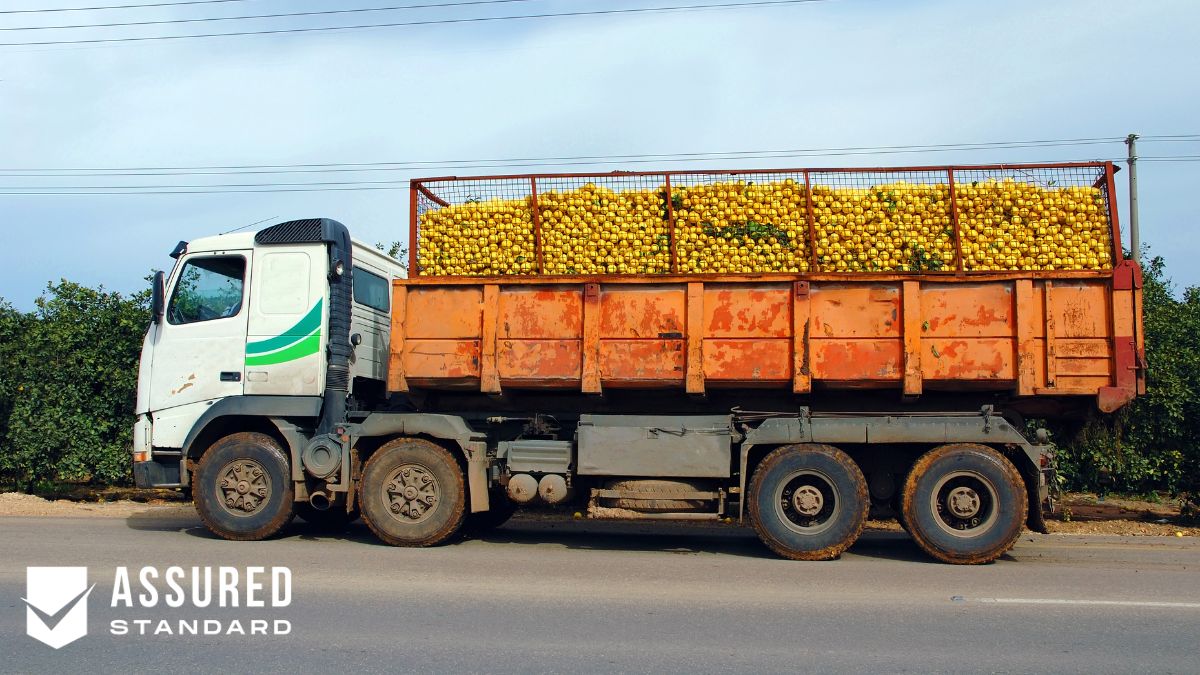
Although often overlooked, agricultural trucking plays an essential role in our supply chains, ensuring that fresh produce and other farm products reach markets efficiently. It connects farms with consumers, creating a crucial link that supports both local and global economies.
Without these transportation networks, we'd face significant delays and potential spoilage, affecting availability and pricing of products.
In our interconnected world, agricultural trucking allows us to enjoy seasonal produce year-round. It’s not just about moving goods; it’s about preserving freshness and quality.
Trucks equipped with refrigeration units maintain ideal conditions, ensuring products arrive in perfect condition. By understanding this critical function, we appreciate how agricultural trucking sustains our food supply, bridging the gap between the farm and our tables every day.
Transporting agricultural goods presents several challenges we must tackle to guarantee efficiency and quality.
We need to address seasonal demand fluctuations that stress our logistics, navigate the limitations of rural infrastructure, and prioritize the safety of perishable goods.
When the seasons change, so do the demands on agricultural trucking, requiring us to adapt quickly to secure efficient transport of goods.
As the farming calendar shifts from planting to harvest, we face varying volumes and types of crops needing transport. To address these fluctuations, we must optimize our logistics and fleet management.
By closely monitoring crop cycles and market demands, we can better anticipate and prepare for peak seasons. Leveraging technology, like route optimization software and real-time tracking, guarantees we meet delivery deadlines and reduce waste.
Rural infrastructure can pose significant challenges for transporting agricultural goods efficiently. We often face narrow, winding roads that aren't built to accommodate large trucks. These limitations slow us down and can lead to increased wear and tear on our vehicles.
Furthermore, bridges in rural areas mightn't support the weight of fully loaded trucks, forcing us to take longer routes.
To overcome these obstacles, we need to plan our routes meticulously, considering road conditions and potential hazards. It's essential to collaborate with local authorities to improve road maintenance.
Investing in GPS technology helps us adapt to changing conditions quickly and find alternative paths. By addressing these infrastructure issues head-on, we can guarantee that our agricultural goods reach their destinations without unnecessary delays.
Although transporting perishable goods presents unique challenges, we can promise their safety by implementing effective strategies. It starts with maintaining the right temperature throughout transit.
We should equip our trucks with reliable refrigeration units and regularly monitor them to guarantee ideal conditions. It's essential to train drivers to handle these systems efficiently and recognize signs of malfunction early.
Additionally, strategic routing plays an important role. By planning direct routes and avoiding delays, we reduce spoilage risks.
Let's also establish strong communication channels with drivers to quickly address any issues that arise.
Finally, regular equipment maintenance prevents unexpected breakdowns, assuring our perishable goods reach their destinations fresh and intact.
Together, these strategies help us maintain quality and safety, supporting the entire farming industry.
As we navigate the complexities of agricultural trucking, seasonal variability poses significant challenges.
We often face weather-driven routing issues, fluctuating crop harvest timings, and unpredictable demand surges or shortfalls.
These factors require us to constantly adapt our operations to guarantee the timely and efficient delivery of goods.
Maneuvering agricultural trucking during different seasons presents unique challenges due to weather-driven routing issues.
We often find that weather patterns can disrupt our carefully planned routes. Rain, snow, and storms can make roads impassable, leading to delays and increased costs. In the spring, muddy roads can trap our trucks, while winter snow and ice create hazardous conditions. Summer heat can also affect roadways, causing damage that forces us to find alternative paths.
We must stay informed about weather forecasts to anticipate and adapt to these challenges. Route flexibility and constant communication with drivers become essential.
Weather-driven routing challenges underscore the unpredictability we encounter in agricultural trucking.
Crop harvest timing fluctuations add another layer of complexity to our operations. As farmers, we understand that seasons don’t always adhere to schedules. Weather patterns can shift unexpectedly, impacting when crops are ready for harvest. This variability requires us to stay flexible and adapt quickly, ensuring that trucks are available when and where they’re needed most.
When harvest times fluctuate, we must communicate closely with farmers and logistics teams to coordinate pick-ups efficiently. A delay or early harvest can disrupt our carefully planned routes, leading to potential logistical bottlenecks.
Although seasons bring a natural rhythm to agriculture, demand surges and shortfalls in trucking operations challenge our ability to predict and plan accurately.
We must navigate these fluctuations to guarantee the timely transport of produce. Seasonal variability markedly affects trucking operations, and understanding these impacts helps us improve efficiency and reliability.
As the farming industry evolves, technological advancements in trucking are considerably boosting efficiency. We’re seeing innovations like GPS tracking systems, which help us optimize routes and save time.
With real-time data, we can monitor truck locations, reduce fuel consumption, and guarantee our deliveries stay on track. Telematics systems provide us with insights into vehicle performance, helping us predict maintenance needs and avoid costly breakdowns.
Additionally, automated loading and unloading technologies accelerate the process, minimizing human error and reducing labor costs. Digital platforms enable better communication between drivers and dispatchers, allowing us to respond swiftly to any changes in plans.
Guaranteeing timely deliveries for fresh produce is essential for maintaining quality and meeting consumer expectations. When we talk about fresh produce, every hour matters; delays can lead to spoilage, reduced shelf life, and dissatisfied customers.
As agricultural trucking professionals, we play a significant role in this process. Here’s why timely deliveries are important:
Rural economies thrive when agricultural trucking efficiently connects farms with markets. By ensuring the timely transport of goods, we support local farmers and bolster economic growth. Trucks carry essential produce, dairy, and livestock, linking rural producers to broader markets. This significant connection allows farmers to sell their products beyond local boundaries, increasing their income and sustaining their livelihoods.
We understand that agricultural trucking isn't just about moving goods; it's about creating opportunities. As we invest in infrastructure and logistics, we generate jobs in trucking, packing, and maintenance.
These jobs are imperative for rural communities, providing stable employment and contributing to economic stability. By maintaining strong trucking networks, we empower rural areas to flourish, ensuring their continued contribution to the farming industry.
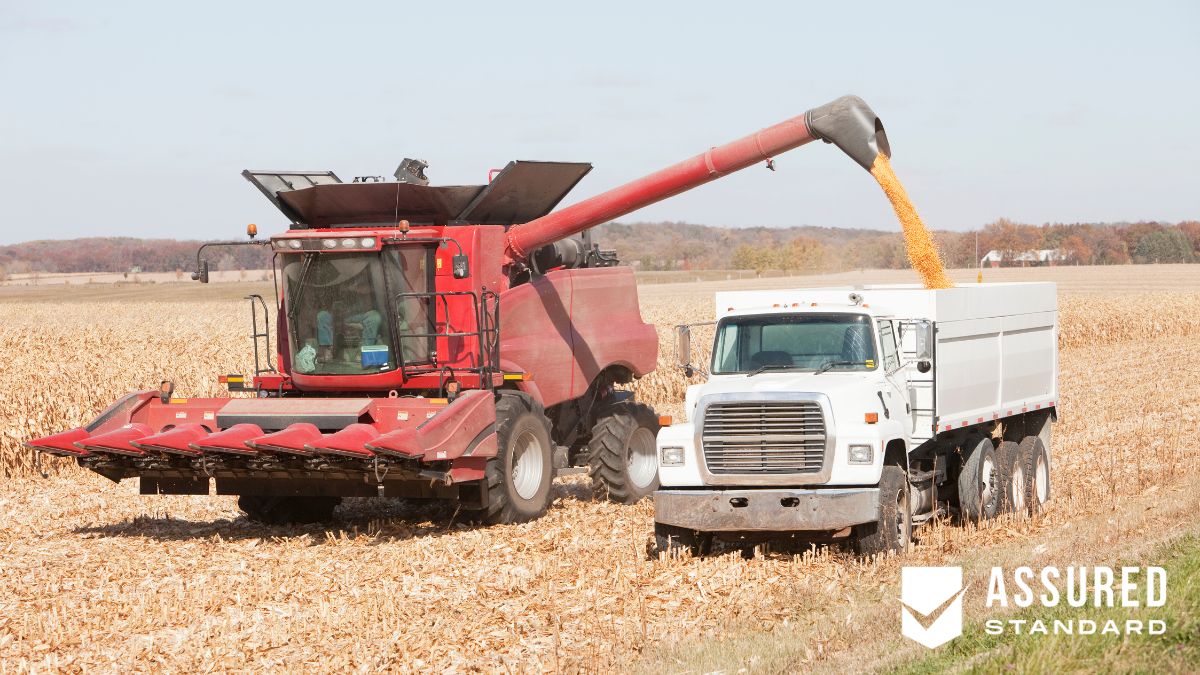
Despite the challenges, the future of agricultural transportation is bright with emerging trends and innovations.
As we look ahead, several exciting developments promise to transform how we transport agricultural goods efficiently and sustainably.
We all know when fuel prices rise, our trucking costs increase too. This impacts our overall expenses, making it essential to efficiently manage logistics. Let's explore strategies to mitigate these costs and improve our farming operations.
We navigate regulations like hours-of-service limits, vehicle weight restrictions, and safety standards. They're essential for ensuring our operations' efficiency and safety. Understanding these rules helps us work smoothly within the legal framework, keeping our trucking industry moving efficiently.
We guarantee driver safety through regular training, strict adherence to regulations, and advanced vehicle technology. By prioritizing safety measures, we're able to protect both our drivers and the valuable goods they transport. Let's work together to maintain these standards.
We can't ignore that agricultural trucking contributes to emissions and fuel consumption, impacting air quality and carbon footprints. By adopting eco-friendly technologies and optimizing routes, we can reduce these effects and promote sustainable farming practices together.
We manage organic produce logistics by coordinating routes, maintaining temperature control, and ensuring timely delivery. Let's prioritize efficiency and sustainability, so fresh, high-quality produce reaches consumers while minimizing waste and reducing environmental impact.
To summarize, we see how essential agricultural trucking is to the farming industry, driving efficiency and supporting supply chains. By overcoming challenges and embracing technological advancements, we guarantee timely deliveries of fresh produce, benefiting both consumers and rural economies. As we look to the future, we’re excited about innovations that will further enhance our operations. Together, we’ll continue to power the farming industry, keeping our communities and economies thriving. Let’s keep pushing forward!