Autonomous trucks are transforming driver jobs by reducing human error and lowering transportation costs, but they're also causing anxiety about job displacement. As drivers, we're encouraged to adapt by reskilling for future roles like logistics management and vehicle maintenance. While traditional driving jobs might decline, embracing upcoming opportunities in technology-focused positions can guarantee we're not left behind. Curious about how the trucking landscape continues to evolve? Stay with us to discover more.
As we explore the rise of autonomous truck technology, it's clear that innovation is driving the transportation industry forward at an unprecedented pace.
We're witnessing advancements in sensors, machine learning, and AI that allow these trucks to navigate roads with increasing accuracy. This technology has progressed from concept to reality, as companies invest heavily in developing reliable self-driving systems.
Autonomous trucks use a combination of cameras, radar, and LIDAR to perceive their environment, ensuring safe and efficient journeys. These systems continuously analyze data to make split-second decisions.
Our roads are becoming testbeds for these vehicles, as they learn to operate alongside traditional traffic. As we recognize these changes, we should consider what this means for the broader landscape of transportation and industry evolution.
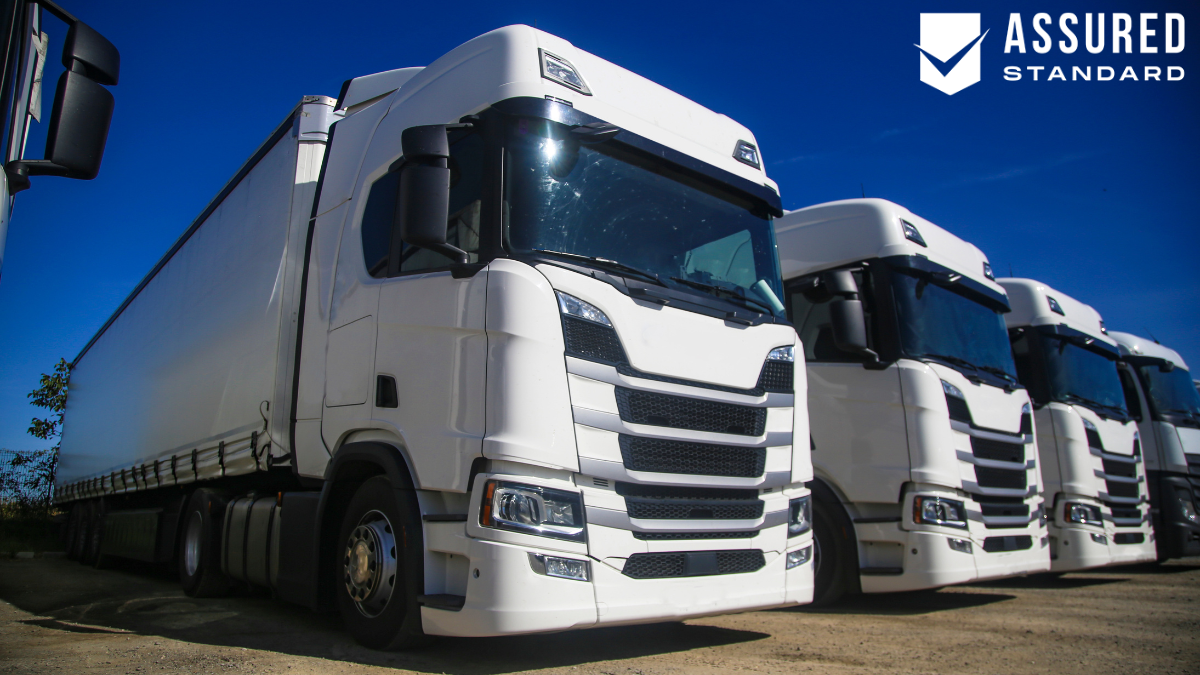
As we explore the potential benefits of driverless trucks, we can't overlook their promise for increased road safety and reduced transportation costs.
Autonomous technology can minimize human errors, which are a leading cause of accidents, making our roads safer for everyone.
Additionally, with the efficiency of driverless logistics, companies could potentially lower their operational expenses, impacting overall transportation costs.
While some may worry about the implications of driverless trucks, there's no denying the potential benefits they offer for road safety.
Autonomous trucks promise to reduce accidents by eliminating human errors like fatigue and distraction, which account for a significant portion of road mishaps. With their advanced sensors and real-time data processing, these trucks can respond to road conditions faster than human drivers, potentially preventing collisions.
Furthermore, autonomous technology guarantees consistent speed limits and safe following distances, minimizing risks associated with aggressive driving.
Embracing autonomous trucks paves the way for considerably reduced transportation costs. As businesses, we’re always looking for ways to cut expenses and boost efficiency.
Driverless trucks offer us an opportunity to do just that. By eliminating the need for human drivers, we can save on labor costs, which are a significant part of the transportation budget. Additionally, autonomous trucks can operate around the clock, reducing downtime and increasing delivery speeds.
Fuel efficiency is another area where autonomous trucks shine. These vehicles can optimize routes and driving patterns, leading to significant savings on fuel.
Moreover, fewer accidents mean lower insurance premiums and repair costs. By integrating driverless trucks into our logistics strategies, we’re poised to enhance our cost-effectiveness and competitiveness in the market.
Despite the excitement surrounding autonomous trucks, we can't ignore the concerns about job displacement for drivers.
As we explore this new frontier, we must acknowledge the anxiety it brings to those whose livelihoods depend on driving. Many of us wonder what the future holds for these skilled workers. Will there be enough roles in this evolving industry, or will technology outpace the need for human drivers entirely?
We need to contemplate how we can guarantee a smooth shift for affected workers. Reskilling and retraining programs could be pivotal in helping drivers adapt to new roles within the industry.
It's our responsibility to make sure no one is left behind as technology advances. Let's engage in open dialogues to address these concerns and work towards solutions together.
The shift toward autonomous trucks isn't just about technology; it's reshaping the entire trucking industry's economic landscape.
We're witnessing changes in how logistics and supply chains operate. Costs are dropping in some areas, but we're also facing challenges.
Consider these impacts:
As we navigate these changes, understanding these economic shifts becomes essential for adapting and thriving in this new era.

As autonomous trucks become more prevalent, we'll need to reevaluate the skills required for future trucking professionals. The industry is shifting, and so must we. Traditional driving skills will remain important, but we'll also need to adapt to new technology-focused roles.
Operating autonomous systems safely requires an understanding of software and hardware, along with troubleshooting capabilities. Training programs must evolve to include these areas, guaranteeing we're prepared for this change.
We'll need to embrace continuous learning to keep up with technological advancements. This alteration doesn't mean fewer opportunities; instead, it opens new paths for innovation and growth.
While the rise of autonomous trucks brings excitement, it also demands a close look at regulatory and safety considerations. We need to guarantee these vehicles integrate safely onto our roads. Regulations must evolve to manage the unique challenges and opportunities presented by this technology.
Let’s consider a few vital aspects:
Understanding these factors helps us navigate the autonomous trucking landscape responsibly.
As we adapt to the rise of autonomous trucks, it's essential that we consider effective strategies to support affected workers through this change.
By focusing on skill development opportunities and exploring alternative career paths, we can help guarantee that those impacted are prepared for new roles.
Investing in upskilling and reskilling programs won't only benefit workers but also strengthen our workforce as a whole.
Many affected truck drivers are facing an uncertain future as autonomous vehicles enter the industry.
We've got to focus on skill development to help us change smoothly.
Let's explore opportunities that can make a difference:
Exploring new skill development avenues equips us with the tools to adapt, but we also need to contemplate alternative career paths for a sustainable future.
As autonomous trucks reshape the transport landscape, we can explore roles in logistics management, vehicle maintenance, or technology support. These positions not only leverage our existing knowledge but also offer growth in emerging industries.
Consider roles in customer service, supply chain optimization, or safety compliance, which are increasingly essential in the evolving market.
Shifting doesn’t mean starting from scratch; rather, it involves applying our skills in new contexts. Let’s research and identify sectors that align with our interests and strengths.
Together, we can navigate this change by embracing transformation and exploring new horizons.
While autonomous technology transforms the landscape of trucking, we must prioritize upskilling and reskilling programs to guarantee that affected workers can shift smoothly.
Let’s focus on providing practical solutions that empower drivers. These programs can open up new opportunities and help maintain job security in an evolving industry. By investing in these strategies, we can make certain everyone benefits from technological progress.
Together, we can support our workforce through this shift, making sure no one is left behind in the journey towards innovation.
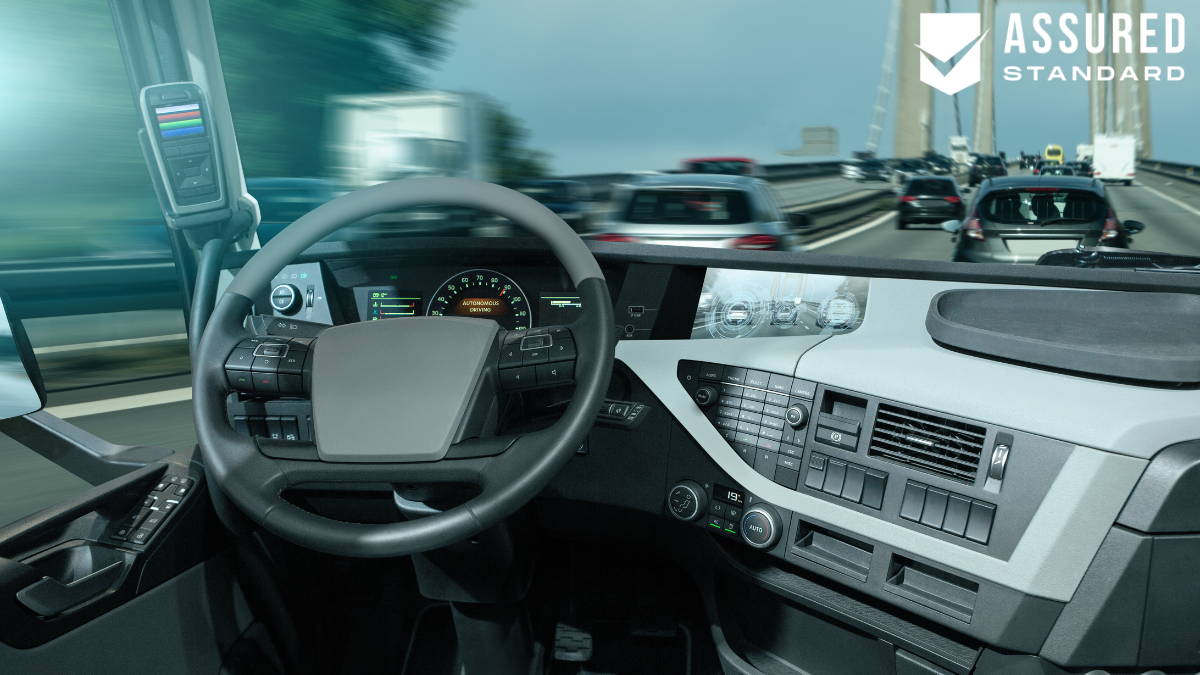
As we explore the world of autonomous trucking, it's fascinating to see how various companies are integrating this technology into their operations.
For instance, TuSimple has partnered with UPS to test autonomous freight routes, aiming to enhance delivery efficiency while maintaining safety. They've already demonstrated that this technology can reduce fuel consumption.
Meanwhile, Begin Trucks is another player conducting trials with autonomous systems, focusing on highway transportation. Their collaboration with major logistics firms showcases potential for long-haul routes.
Additionally, Waymo Via is working with retailers to pilot autonomous delivery services. Their approach blends self-driving technology with human oversight to guarantee reliability.
These case studies illustrate that while autonomous trucks are being tested, companies are carefully considering practical applications to complement existing logistics frameworks.
With companies like TuSimple, Begin Trucks, and Waymo Via experimenting with autonomous trucking, it's clear that the industry is on the brink of a significant transformation.
As we look ahead, we must consider how these changes will reshape the truck driving profession. We might wonder: Will there still be a place for drivers in a world of self-driving trucks? The answer lies in adapting and evolving our skills.
Adapting is key to thriving in this new landscape.
We must consider the ethical implications of job displacement and the potential impact on communities. Let's prioritize fair changeover plans for affected workers, addressing safety concerns, and ensuring that technological progress benefits everyone, not just a few.
We’re curious about how autonomous trucks will manage extreme weather. They’ll need advanced sensors and algorithms to navigate safely. It’s essential we guarantee their reliability to prevent accidents and build trust with those sharing the road.
We must consider how insurance companies will determine fault in driverless truck accidents. Liability could shift from drivers to manufacturers or software developers. It's vital to stay informed on changing policies and their impact on coverage.
We’re witnessing autonomous trucks changing the landscape for roadside service businesses. With fewer breakdowns and predictive maintenance, there’s less demand for traditional repairs. Yet, new opportunities arise in tech support and software diagnostics. Let's adapt together!
Let's explore cybersecurity risks with autonomous trucks. We face challenges like hacking, data breaches, and system failures. Understanding these risks helps us safeguard sensitive information and guarantee the technology's reliability and safety on the roads.
As we navigate the future of trucking, we must embrace the potential of autonomous vehicles while acknowledging the challenges. It's essential to balance innovation with empathy, ensuring displaced workers are supported through training and change programs. By fostering a collaborative approach among industry leaders, policymakers, and the workforce, we can create a sustainable future that benefits everyone. Together, let's drive towards a future where technology and human skills coexist harmoniously on our roads.