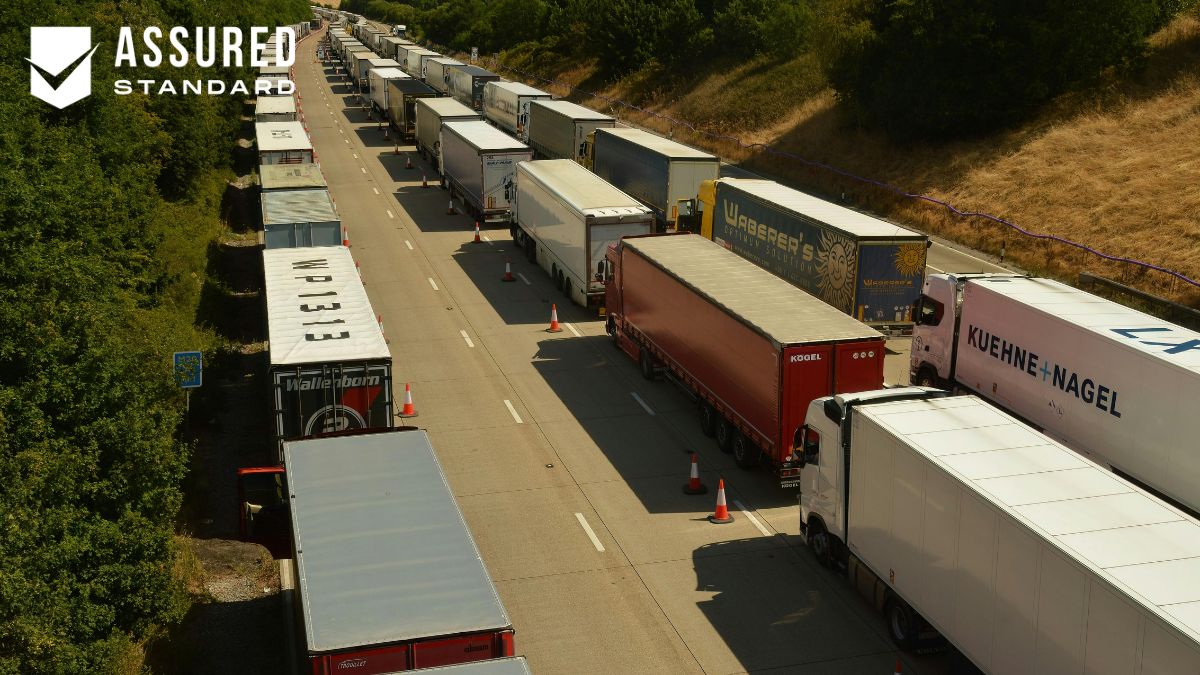
The Motor Carrier Act revolutionized the trucking industry. By dismantling strict regulations, it encouraged new businesses to enter the market, intensifying competition. With relaxed controls and flexible pricing, carriers had more freedom, fostering innovation and efficiency. This shift drove down consumer costs and pushed companies to improve services. We've witnessed significant technological advancements like GPS and automation due to this competitive push. There's so much more to uncover about how this act shaped trucking.

Before 1980, the trucking industry was tightly controlled by a complex web of regulations that limited competition and innovation.
We found ourselves maneuvering through a maze of rules that made it difficult for new companies to enter the market. Established carriers held significant power, and their routes and pricing were dictated by regulatory agencies. This environment stifled innovation and kept costs high for consumers.
We remember how these regulations often required us to obtain specific permits for each route, which was both time-consuming and costly.
The process discouraged efficiency and flexibility. As participants in this industry, we were constrained in our ability to adapt to new market demands or technological advancements.
It was clear that change was necessary to foster a more competitive and dynamic trucking landscape.
Recognizing the need for a shift, the Motor Carrier Act of 1980 emerged as a transformative force in the trucking industry. It introduced key provisions that redefined how trucking companies operated.
First, it eased entry restrictions, making it simpler for new carriers to enter the market. We saw a reduction in the regulatory grip on routes and services, which encouraged innovation and efficiency in operations.
Another significant aspect was the relaxation of rate regulations, allowing carriers more flexibility in pricing.
Let's explore how the Motor Carrier Act transformed the trucking industry by giving carriers more freedom than ever before.
With eased market entry regulations, new players could join the field with less red tape, fostering a competitive environment.
This increased competition also allowed for more flexible freight pricing strategies, benefiting both businesses and consumers.
When the Motor Carrier Act was enacted, it transformed the trucking industry by relaxing market entry regulations, allowing for greater competition and flexibility.
We now see how this pivotal change opened doors for new carriers. Previously, entering the market required overcoming significant regulatory barriers. The Act reduced these hurdles, making it easier for companies to obtain operating authority.
With streamlined processes, smaller operators and start-ups could join the industry more readily, fostering innovation and diversity.
We observed an influx of new carriers, which led to increased service options for shippers. This change didn’t just boost competition; it also encouraged efficiency and responsiveness in the market.
The Motor Carrier Act revolutionized freight pricing by granting carriers the freedom to set rates, a significant shift from the previous rigid regulatory framework.
This change allowed us to respond quickly to market demands and customer needs. We could now tailor prices based on factors like distance, cargo type, and market conditions.
This flexibility enabled smaller companies to compete with established carriers by offering innovative pricing strategies.
We saw increased competition as carriers competed to offer better rates and services, benefiting shippers with more choices.
It encouraged efficiency and led to a more dynamic trucking industry. With the ability to adapt pricing, we could improve service quality and customer satisfaction while staying competitive.
This shift marked a new era of strategic pricing in trucking.
Following the implementation of the Motor Carrier Act, the trucking industry experienced a surge of new market entrants, leading to heightened competition.
We saw an influx of small and medium-sized carriers enthusiastic to carve out their place in the market. This increase in players challenged existing norms and forced everyone to rethink their strategies.
With more companies bidding for freight contracts, competition became fierce, driving innovation and efficiency. As we navigated this new landscape, it became clear that adaptability was key to survival.
The entry barriers were lowered, allowing anyone with the resources to start a trucking business, which diversified service offerings. This diversity gave shippers more options and potentially better service, fundamentally transforming how the industry operated and evolved.
Although the influx of new entrants invigorated the trucking industry, it also posed significant challenges for established companies. We found ourselves maneuvering in a rapidly changing landscape, where increased competition forced us to reassess our strategies.
Established firms, once accustomed to predictable market dynamics, faced pressure to maintain market share and adapt quickly. The heightened competition often led to price wars, squeezing profit margins and testing our resilience.
Additionally, we'd have to focus on retaining customer loyalty in a market that offered more choices. Our experience and reputation became vital assets, but they weren’t enough on their own. We needed to innovate and constantly enhance our services.
The Motor Carrier Act undeniably reshaped the industry, compelling us to evolve or risk obsolescence.
We've seen how the Motor Carrier Act spurred technological advancements in trucking, pushing the industry towards more efficient practices.
By embracing streamlined operational processes, companies have reduced costs and increased reliability.
Let's explore how these innovations have reshaped the competitive landscape.
As we explore the domain of technological advancements in trucking, it’s clear that innovations have substantially improved efficiency within the industry.
We've witnessed the integration of GPS systems, allowing for precise navigation and real-time tracking. This technology helps us reduce fuel consumption and improve delivery times.
Furthermore, telematics systems provide essential data on vehicle performance, enabling predictive maintenance and minimizing breakdowns.
Incorporating autonomous and semi-autonomous vehicles has further revolutionized trucking, enhancing safety and reducing human error.
These advancements allow us to optimize routes and increase operational efficiency. Additionally, the development of electric trucks offers a sustainable alternative, reducing emissions and operating costs.
Building on the technological advancements in trucking, we now focus on how streamlined operational processes contribute considerably to industry efficiency. By refining logistics and eliminating unnecessary steps, we've seen significant improvements in how quickly and effectively goods are transported.
Automation plays a critical role here, reducing human error and ensuring smoother operations.
We’re also embracing real-time data analysis, which helps us make informed decisions, anticipate delays, and optimize routes. This isn't just about speeding up delivery times; it’s about increasing reliability.
Our teams can coordinate better with drivers and clients, ensuring everyone stays informed. As a result, costs can be reduced, and customer satisfaction can improve.
This streamlined approach allows us to remain competitive and responsive in a fast-paced market.
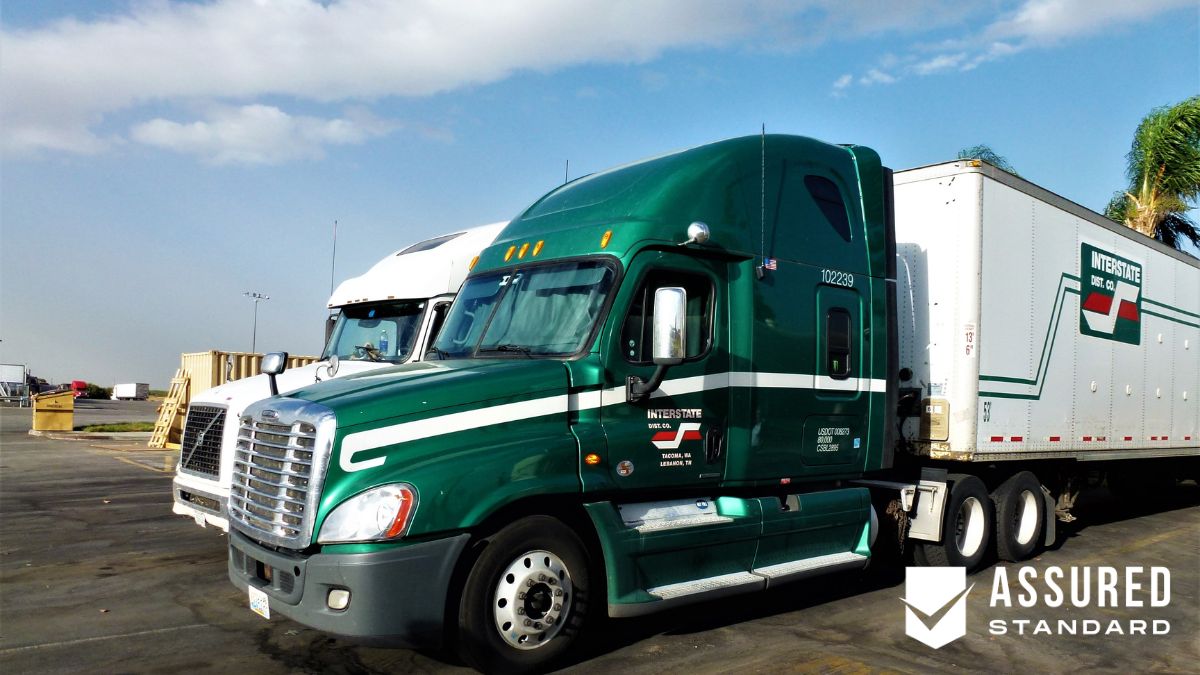
When the Motor Carrier Act was enacted, it transformed the trucking industry, offering consumers significant benefits. We saw prices drop as competition increased among carriers, leading to more affordable shipping costs for businesses and consumers alike. This increased competition encouraged carriers to improve their services, resulting in faster and more reliable deliveries.
In the long term, we've noticed that these changes have fostered innovation within the industry. Companies have been motivated to invest in better technology and more efficient logistics. As a result, our economy has benefited from the improved supply chain dynamics.
However, the increased competition has also required some businesses to adapt quickly or face challenges. Overall, the act has successfully stimulated a more consumer-friendly and dynamic market.
We noticed the Motor Carrier Act pushed us to adopt greener practices. By deregulating the industry, it encouraged innovation and competition, leading to increased fuel efficiency and reduced emissions. Let's embrace these changes for a sustainable future.
We saw unions adapt by focusing on protecting workers' rights amidst increased competition. They negotiated better wages and conditions, ensuring drivers weren't exploited. Unions played a crucial role in maintaining fair labor standards post-legislation.
We've seen regional economies adapt by diversifying industries and transportation networks. Local businesses have adjusted logistics and distribution strategies to stay competitive. Let's explore how these shifts impacted economic landscapes and shaped modern commerce.
Yes, there were legal challenges after the Motor Carrier Act. Some industry groups and unions opposed it, claiming it threatened jobs and safety. However, courts upheld the act, prioritizing deregulation benefits. Let's explore these cases further.
The Motor Carrier Act simplified cross-border regulations, making it easier for us to form international trucking agreements. This fostered more cooperation between countries, streamlined operations, and improved efficiency in transporting goods across borders.
In examining the effects of the Motor Carrier Act, we've seen how it transformed the trucking industry. Lifting restrictive regulations paved the way for new entrants and increased competition, leading to innovations and efficiency gains. Established companies had to adapt, driving further improvements. Consumers benefited from lower costs and better services. Long-term, this act reshaped the industry landscape, proving that competition can spur growth and innovation. Let's embrace these lessons as we look to the future.