To extend the lifespan of your diesel engine, we need to adopt regular maintenance practices. This includes timely oil changes, fuel system upkeep, air filter replacements, and cooling system care. Monitoring for engine warning signs and employing proper driving techniques are essential. We should also prioritize scheduled professional check-ups to catch issues early. These steps keep our engines running efficiently and smoothly. Stay with us to uncover more insights for ideal engine care.
A key step in extending the lifespan of your diesel engine is performing regular oil changes. We all know that oil is the lifeblood of our engines, and it’s essential to keep it clean and at peak levels. Old oil can lead to increased friction and wear, causing damage over time. By changing the oil regularly, we guarantee that our engine parts stay lubricated and run smoothly.
Let’s not forget, it’s not just about the oil itself but also the filters. They trap impurities, preventing them from circulating through the engine. When filters are clogged, they can’t do their job effectively.
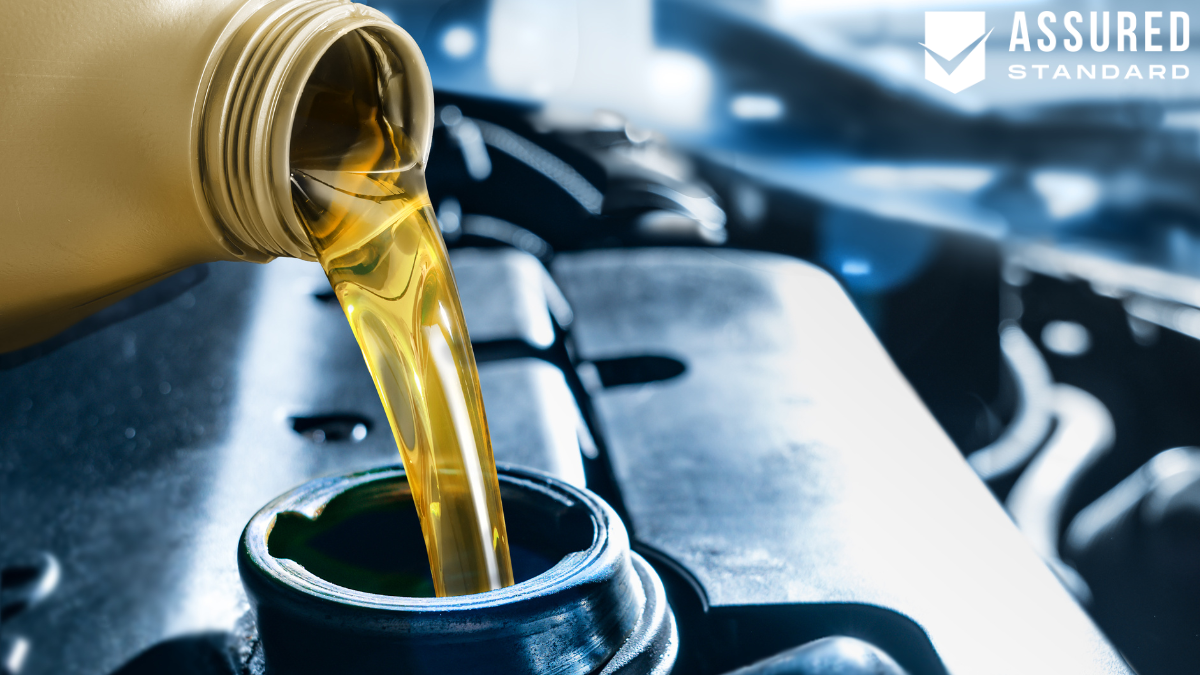
Let's focus on how maintaining our fuel system can keep our diesel engines running smoothly.
By regularly replacing the fuel filter and using effective injector cleaning techniques, we can prevent clogs and guarantee peak fuel flow.
Adding diesel additives also enhances performance and protects against harmful deposits, prolonging the life of our engines.
When it comes to guaranteeing the longevity of your diesel engine, regularly replacing the fuel filter is essential.
We can't stress enough how crucial it is to keep our engines running smoothly. Over time, fuel filters can get clogged with dirt and debris, leading to reduced performance and potential engine damage.
By making a habit of changing the fuel filter, we protect our investment and enjoy a reliable driving experience.
Here are three reasons why regular fuel filter replacement matters:
Let's prioritize this simple yet effective maintenance step!
Often overlooked but incredibly important, injector cleaning is a key component of thorough fuel system maintenance. When our diesel injectors get clogged, they can’t spray fuel efficiently, leading to poor engine performance and increased emissions.
To combat this, we need to confirm our injectors are clean and functioning effectively. We can start by using a professional cleaning kit specifically designed for diesel engines. Following the kit's instructions carefully will help us remove deposits that accumulate over time.
Alternatively, consulting a trusted mechanic for professional cleaning might save us time and guarantee precision. Regular cleaning prevents clogs, promotes efficient fuel combustion, and extends our engine's lifespan.
While regular maintenance is essential, incorporating diesel additives into our routine can considerably enhance the performance of our fuel system.
These additives offer a range of benefits that can't only improve our engine's efficiency but also protect it from potential issues down the line.
By using diesel additives, we can experience:
A diesel engine's performance hinges on a clean and efficient air filter, making regular inspections and timely replacements essential.
We all know that a well-maintained air filter guarantees the engine receives the right amount of clean air, enhancing combustion efficiency and fuel economy.
To extend our diesel engine's lifespan, let's check the air filter every 12,000 to 15,000 miles, or more frequently if driving in dusty conditions.
When inspecting, watch for dirt or damage. A clogged or damaged filter can restrict airflow, causing poor performance and increased emissions.
Replacing the air filter is straightforward: remove the old one, clean the housing, and install a new filter.
Let's guarantee our diesel engines stay cool by focusing on the cooling system, which is essential for engine health.
We should prioritize regular coolant checks and keep an eye on the radiator's condition to prevent overheating.
Additionally, verifying the thermostat's functionality will help us maintain the best operating temperature.
Checking our diesel engine's coolant regularly is vital for maintaining its health and performance. By doing so, we can prevent overheating and costly repairs.
Let’s remember that our engine's cooling system plays an essential role in keeping everything running smoothly. When we neglect it, we risk serious damage.
To keep our engines in top shape, we should:
Together, these steps help us extend our engine's lifespan.
Guaranteeing our radiator is in top condition is essential for maintaining an efficient cooling system and extending our diesel engine's lifespan.
First, let's regularly inspect the radiator for any signs of leaks, corrosion, or damage. A small leak can quickly turn into a bigger problem.
We should also guarantee that the radiator fins are clean and free from debris. Blocked fins reduce airflow and cooling efficiency. A gentle rinse with a low-pressure hose can help clear out any dirt or bugs.
Additionally, let's not forget to check the radiator cap. It should seal tightly to maintain proper pressure. If it's worn out, replacing it is a simple and cost-effective fix.
Regular checks and simple maintenance can help us avoid costly repairs.
While keeping our radiator in top shape is important, we shouldn't overlook the thermostat's role in the cooling system's efficiency. This small yet essential component regulates engine temperature, ensuring peak performance.
When the thermostat malfunctions, it can lead to engine overheating or running too cold, affecting longevity and efficiency. Let’s emphasize the significance of a well-functioning thermostat by considering these points:
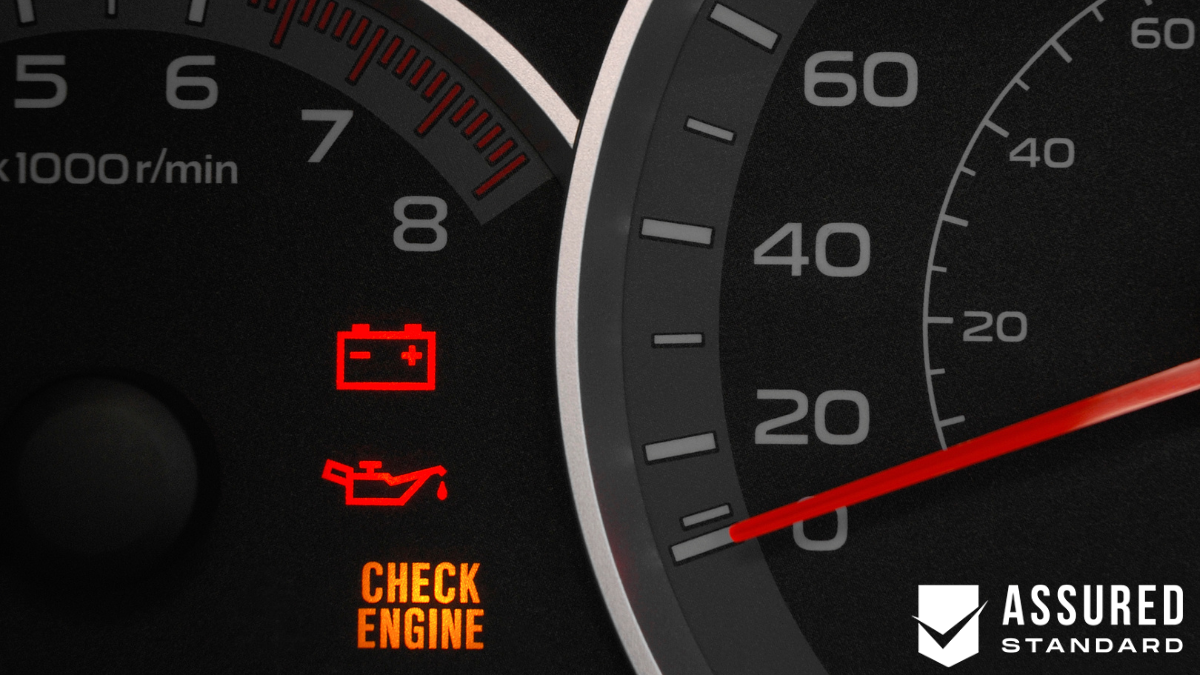
Recognizing the early warning signs of engine trouble can greatly extend the life of your diesel engine.
Let’s pay attention to unusual noises, such as knocking or sputtering, as these can indicate fuel or compression issues. If we notice excessive smoke from the exhaust, it might mean a problem with the fuel injectors or the turbocharger.
Dashboard warning lights shouldn’t be ignored. They’re our engine’s way of communicating potential issues.
Check the oil pressure, coolant temperature, and other essential gauges regularly. If something doesn’t look right, address it immediately to prevent further damage.
Routine checks help us catch small problems before they become costly repairs.
Mastering proper driving techniques is essential for maximizing the lifespan of our diesel engines. We often overlook how our driving habits impact engine health.
Let’s explore a few techniques that can make a significant difference:
In addition to refining our driving habits, we should also prioritize regular professional check-ups to guarantee our diesel engines remain in top shape.
Mechanics have the expertise and tools to spot issues we might miss. They can identify small problems before they escalate into costly repairs. By scheduling these check-ups, we assure our engines run efficiently, saving us money and avoiding unexpected breakdowns.
We shouldn't underestimate the value of a professional's trained eye.
Regular maintenance includes oil changes, filter replacements, and checking crucial components like belts and hoses. These actions help prevent wear and tear.
Let's make it a point to book these check-ups at recommended intervals. This proactive approach not only extends our engine's lifespan but also boosts our vehicle's overall performance.
To prevent diesel engine corrosion, we should guarantee regular maintenance, keep fuel tanks full to avoid moisture, use corrosion inhibitors, and check for leaks. By doing so, we’ll protect our engines and maintain their efficiency.
Let's store our diesel engines in a cool, dry place to avoid moisture buildup. Keep them covered and guarantee proper ventilation. Regularly check and maintain oil and coolant levels for ideal condition. This keeps everything running smoothly.
Let's check our diesel engine seals and gaskets every six months. Regular inspections help us spot leaks early, preventing major damage. Keeping them in good condition guarantees our engine runs smoothly and prolongs its life efficiently.
Let's consider biodiesel's effect on our diesel engines. Biodiesel can impact lifespan due to its solvent properties, potentially affecting seals. Regular maintenance and using compatible materials help mitigate risks, ensuring our engines remain efficient and reliable for longer.
Engine block cleaning's essential for longevity. We remove harmful deposits and dirt, ensuring ideal performance. By keeping our engine clean, we're preventing wear and tear, improving efficiency, and ultimately extending our diesel engine's lifespan. Let's prioritize maintenance.
In our journey to keep our diesel engines running smoothly, we've discovered the importance of regular oil changes, fuel system maintenance, and air filter checks. Keeping an eye on the cooling system and addressing any warning signs promptly are key. Let's not forget to adopt proper driving techniques and schedule regular professional check-ups. By taking these steps, we can extend our engine's lifespan and enjoy reliable performance for years to come. Let's keep those engines purring!