We can report unsafe road conditions to the DOT by first identifying hazards like potholes or obstructed signs. It’s important to document the issue, noting specifics and capturing photos if it’s safe. Checking the Department of Transportation’s website helps find the right contact information. We can submit reports online, by phone, or by mail. Following up guarantees our concerns are addressed. By taking these steps, we open the door to understanding the DOT’s response and improving road safety.
When driving, it’s crucial to stay vigilant and identify unsafe road conditions that could pose a threat to our safety. We must keep an eye out for various hazards, like potholes, faded road markings, or obstructed signs. These issues can impair our ability to maneuver safely and make informed decisions on the road.
Weather conditions like heavy rain, snow, or fog can also create dangerous scenarios, reducing visibility and traction.
Let’s be mindful of construction zones where unexpected obstacles or unclear detours might arise. Even something as simple as debris on the road can lead to accidents if we’re not alert.
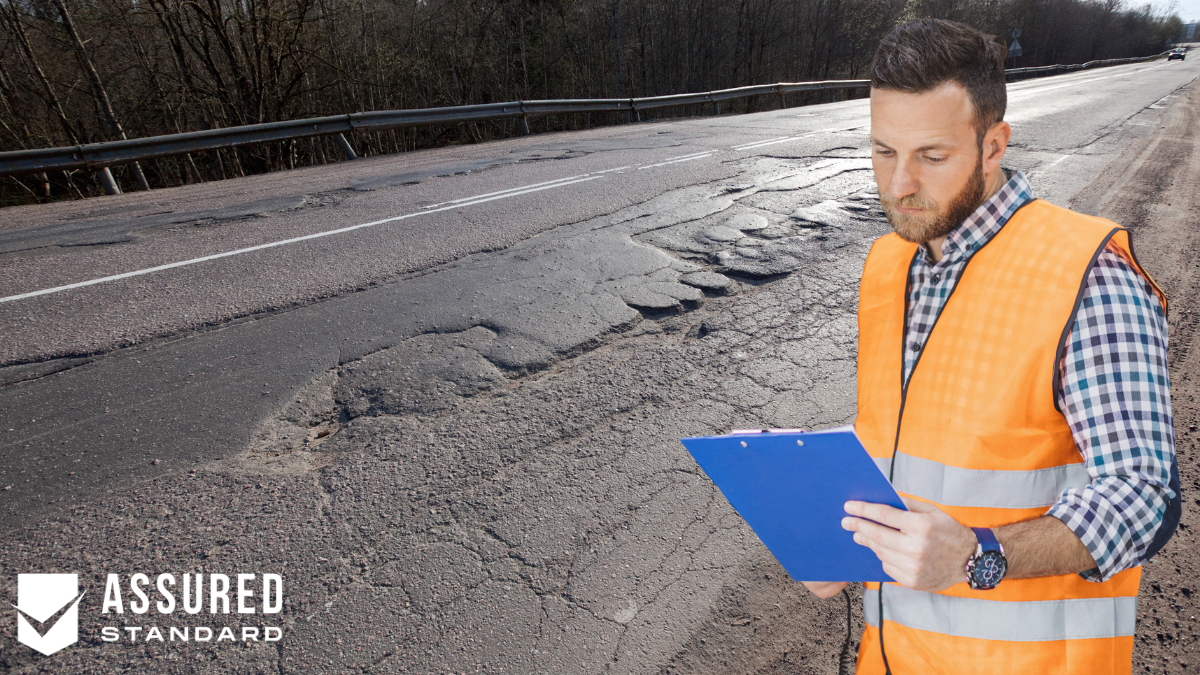
To effectively report unsafe conditions, we need to gather detailed information that will assist the appropriate authorities in addressing the issue promptly.
First, let’s document the exact location. We can use landmarks or mile markers to guarantee clarity.
Next, note the nature of the hazard. Is it a pothole, malfunctioning traffic light, or something else? Take photos or videos if it's safe to do so—they provide valuable visual proof.
We should also consider the time of day and weather conditions, as these can impact road safety. Recording any patterns, like recurring flooding during rain, helps authorities understand the scope.
Finally, gather witness statements if others have observed the issue. With this information, we’re well-prepared to alert the authorities effectively.
How do we find the right contact information for reporting unsafe conditions in our area?
First, let's identify whether the issue lies at a federal, state, or local level. The Department of Transportation (DOT) is structured similarly. We should visit the DOT website and search for a contact directory. Usually, there's a section dedicated to public safety concerns.
We can also call our local government office or city hall for guidance. They often have direct lines to the correct departments.
Additionally, checking online forums or community groups can offer insights from others who've gone through the process.
Let's guarantee we've the precise contact information, so our report reaches the right hands swiftly. This proactive step is essential to addressing safety issues effectively.
Once we've pinpointed the correct contact information, we can explore various methods for submitting a report.
We've several options to guarantee our concerns reach the right people. Most of us will find online submissions the quickest and most convenient. Many Department of Transportation (DOT) websites offer user-friendly forms specifically for this purpose.
If we prefer a more personal touch, we can call the DOT directly. This allows us to speak with someone who can provide immediate feedback or guidance.
For those who appreciate a written record, mailing a detailed letter is another effective method. Each option has its advantages, so we can choose what best fits our comfort and urgency level.

When we’re drafting a report about unsafe conditions, it’s essential to include specific details to confirm the issue is clearly understood and can be effectively addressed.
We should start by describing the location, using street names or landmarks to guarantee accuracy. It’s also important to detail the nature of the hazard. Is it a broken traffic light, a large pothole, or something else?
Providing photographs can be incredibly helpful, as they illustrate the problem more vividly. Let’s not forget to include the time and date we observed the issue. This information can be vital for the Department of Transportation (DOT) when they prioritize repairs.
Finally, sharing our contact information allows the DOT to reach out if they need further clarification.
After we've submitted our report, it's crucial to follow up to guarantee the issue is being addressed.
We might feel uncertain about how to proceed, but staying informed helps assure that our concerns are taken seriously.
Here's how we can effectively follow up:
Let's explore how the Department of Transportation handles reports of unsafe conditions.
We'll look at the investigation timeline, how they communicate with us as complainants, and what resolution or enforcement actions they might take.
Understanding this process helps us know what to expect after we've submitted a report.
Before diving into the specifics of the investigation timeline, it’s crucial to understand how the Department of Transportation (DOT) responds to reports of unsafe conditions.
When we report an issue, the DOT follows a structured process to guarantee that safety standards are met. Here's what happens:
Understanding this timeline helps us see the importance of patience and thoroughness in resolving safety concerns effectively.
While understanding the process of reporting unsafe conditions to the Department of Transportation is essential, it's equally important to grasp how the DOT communicates with us throughout this process.
Once we've submitted a report, the DOT acknowledges receipt to confirm they’re looking into the matter. This initial contact reassures us that our concerns are being taken seriously.
As the investigation progresses, the DOT keeps us informed with updates, making certain we're aware of the status of our report. They might request additional information from us to aid their investigation.
This collaborative communication helps guarantee a thorough examination of the issue. By staying engaged with us, the DOT demonstrates its commitment to addressing our concerns and maintaining safety on our transportation systems.
After we've been kept informed about our report's progress, the DOT's next step involves determining the appropriate resolution and enforcement actions. Understanding their response process helps us feel more confident in their ability to address our concerns.
Here's how it typically unfolds:

When addressing road safety concerns, we've numerous resources at our disposal to help make our communities safer. Reaching out to local government offices or transportation departments is a great starting point. They often provide online portals or hotlines for reporting issues.
Community organizations focused on road safety can also offer guidance and support in managing these issues.
We can utilize mobile apps like Waze or Google Maps to report hazards directly, which helps alert other drivers as well. Participating in local meetings or forums provides an opportunity to voice concerns directly to officials.
The National Highway Traffic Safety Administration (NHTSA) website is another valuable resource, offering detailed information on regulations and safety initiatives.
Let’s use these tools effectively to promote safer roads for everyone.
Yes, we can report unsafe conditions anonymously to the DOT. We should provide as much detail as possible to guarantee they can address the issue effectively. Reporting helps keep everyone safe on the roads. Let's do our part!
We recognize you're curious about DOT's response time. Generally, addressing reported issues varies based on severity and workload. While they aim for prompt action, specific timelines aren't guaranteed. Let's stay vigilant and keep reporting any concerns.
False reports to the DOT can lead to penalties, including fines or legal consequences. We must guarantee our reports are accurate and genuine to maintain the integrity of the system and help address real safety concerns efficiently.
Yes, we can report conditions affecting pedestrians or cyclists. Let’s guarantee safety by providing detailed information on hazards like damaged sidewalks or bike lanes. This helps authorities take action and improve conditions for everyone.
Yes, there’s a hotline for urgent road safety hazards. We can call it to quickly report any dangerous conditions. It's vital to act fast to guarantee everyone's safety. Let’s keep our roads safe for all.
Let's make our roads safer together. Once we've identified and reported unsafe conditions, it's essential to follow up and understand the Department of Transportation's response process. By staying informed and proactive, we guarantee our concerns are addressed. Remember, our vigilance keeps everyone safe. For more guidance, explore additional resources on road safety. Together, we can play a significant role in improving road conditions and making our communities safer for everyone.