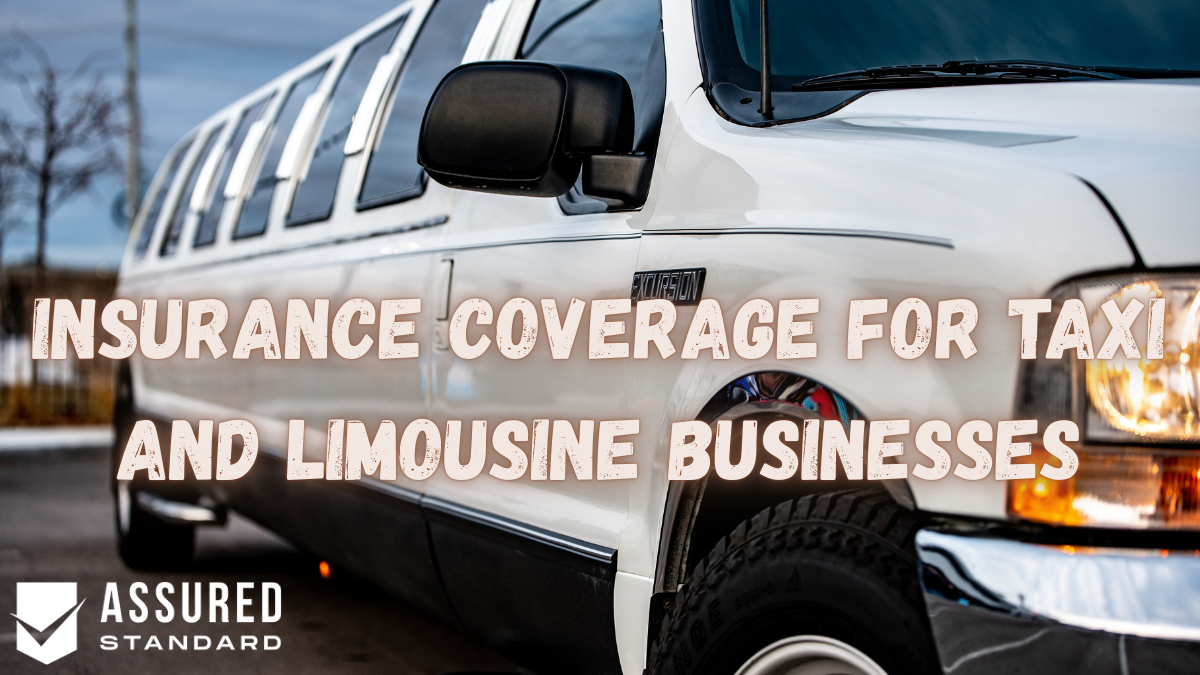
We recognize the need for thorough insurance coverage to protect our taxi and limousine businesses from risks like accidents, theft, and damage. Having the right commercial auto insurance helps us safeguard our vehicles and keep operations smooth, while liability coverage guarantees financial protection for us and our passengers. We also make certain our plans include uninsured motorist coverage and personal injury protection to maintain our credibility and compliance. There's much more to uncover about optimizing our insurance strategies.
When we explore the basics of commercial auto insurance, we find it's vital for protecting our taxi and limousine businesses. It covers a variety of risks that our vehicles face daily.
As we navigate busy streets, we must consider potential accidents, theft, and damage. Commercial auto insurance provides the peace of mind we need, ensuring that unexpected events won't cripple our operations.
We must understand the different components of a policy. Extensive coverage pays for non-collision incidents, like theft or natural disasters.
Collision coverage handles damage from accidents. It’s important we regularly review our policies, ensuring they align with our evolving needs and regulations.

Let's talk about the vital role liability insurance plays in safeguarding our taxi and limousine businesses.
By having adequate coverage, we guarantee that both our company and our passengers are protected in the event of an accident or injury.
It's not just about compliance; it's about peace of mind for everyone involved.
Although operating a taxi or limousine business can be lucrative, it's not without its risks, making liability insurance vital for protecting both your business and your passengers.
We need to guarantee that we're covered in case of unforeseen events. Liability insurance helps safeguard us against potential financial burdens from accidents and legal claims.
Here are three key reasons why it's essential:
Building on the importance of liability insurance, we must consider passenger injury protection as a critical component for safeguarding our business and the individuals we serve. It guarantees that if a passenger is injured while in our vehicle, they're covered for medical expenses and other related costs.
By having this coverage, we protect not only our passengers but also our business from potentially devastating financial liabilities.
Imagine a scenario where an unexpected incident leads to a passenger's injury. Without adequate protection, we could face substantial legal and medical costs.
Passenger injury protection provides peace of mind, allowing us to focus on delivering safe, reliable service. It’s an investment in the safety and trust of our clients, reinforcing our commitment to their well-being.
When it comes to insuring taxi and limousine businesses, understanding extensive and collision coverage is fundamental. These coverages protect us from financial loss due to various types of damage to our vehicles.
Let's break it down:
While understanding thorough and collision coverage is key to protecting our vehicles, we must also consider the potential risks posed by other drivers on the road.
Uninsured and underinsured motorist coverage is essential for our taxi and limousine businesses. It protects us when another driver, lacking adequate insurance, causes an accident. If they can't cover the damages, we could face significant out-of-pocket expenses.
This coverage guarantees we're not left vulnerable in such situations.

Let's examine how Personal Injury Protection (PIP) and Medical Payments can safeguard our taxi and limousine businesses.
These coverages are essential as they handle medical expenses for both injured passengers and drivers.
Ensuring the safety of passengers is a top priority for taxi and limousine businesses, and understanding the nuances of Personal Injury Protection (PIP) and Medical Payments coverage is vital.
These coverages help us manage expenses when passengers get injured. Here’s how it works:
Steering through the domain of driver medical expense coverage is essential for taxi and limousine businesses.
We need to focus on Personal Injury Protection (PIP) and Medical Payments (MedPay) as they directly impact our drivers' well-being and financial security. PIP covers medical expenses and sometimes lost wages, regardless of fault, which is vital in the fast-paced transport industry. MedPay, on the other hand, pays for immediate medical costs, offering peace of mind when accidents occur.
We must understand that these coverages protect not just our drivers but also our business. By ensuring our drivers receive prompt medical care, we minimize downtime and maintain operational efficiency.
Let’s prioritize these coverages to safeguard our team and keep our services reliable.
Understanding state-specific insurance requirements can be intimidating, yet it's essential for taxi and limousine business owners to secure compliance and protect their operations. Each state has unique regulations, and staying informed will help us avoid costly fines or legal issues.
Here's how we can navigate these complexities:
After traversing the intricacies of state-specific insurance requirements, it's wise to contemplate enhancing our protection with additional coverage options.
While basic policies cover fundamental needs, we can explore options like uninsured/underinsured motorist coverage, which protects us if another driver lacks adequate insurance. Extensive coverage helps safeguard our vehicles from non-collision incidents such as theft or natural disasters.
Additionally, considering personal injury protection or medical payments coverage can offer financial relief for medical expenses after an accident. Legal liability coverage is another option, providing us with a defense in case of lawsuits.
Each of these options serves as a safety net, reducing potential financial setbacks.

Choosing the right insurance provider can feel like steering through a complex maze, but it doesn't have to be intimidating. We can simplify the process by focusing on a few key elements.
First, let’s evaluate the provider’s reputation. A quick online search or a chat with fellow business owners can reveal a lot about their reliability.
Here’s how we can choose wisely:
We can lower our premiums by implementing driver safety training, installing GPS tracking, and maintaining vehicles regularly. Let’s also shop around for competitive rates and consider higher deductibles to keep costs manageable.
We need to evaluate vehicle type, driver experience, accident history, and location when determining rates. By improving these factors, we can better manage costs. Let's explore ways to optimize these elements for more affordable premiums.
We need to evaluate whether electric taxis have different insurance requirements. Typically, electric vehicles might face unique factors like battery-related risks. Let's explore these specifics together, ensuring we comprehend what's necessary for insuring electric taxis effectively.
Let's discuss how seasonal changes impact insurance. When demand shifts, risks like weather conditions and passenger volume can fluctuate. We should review our coverage during these times to guarantee it still meets our business needs effectively.
We should consider rideshare insurance as covering personal vehicles for commercial use, while taxi insurance typically covers full-time commercial vehicles. Rideshare policies often adapt between personal and business use, offering flexibility that traditional taxi insurance doesn't.
In wrapping up, we've explored the vital aspects of insurance coverage for taxi and limousine businesses. We've seen how liability, extensive, and collision coverage can protect both your business and passengers. We've discussed the significance of uninsured and underinsured motorist coverage and the benefits of personal injury protection. Steering through state-specific requirements and evaluating additional options are essential steps. Let's make certain we're choosing the right insurance provider to keep our business secure on the road.