Let's explore the vital role that liability insurance plays in safeguarding both individuals and businesses. As we navigate the complexities of this essential coverage, it's important to understand the standards and regulations that govern it. These frameworks not only guarantee fair practices but also protect policyholders from unforeseen risks. With emerging threats constantly reshaping the landscape, how do these regulations adapt to stay relevant and effective?
Although liability insurance can seem complex, understanding its key principles is essential for effectively managing risk. We often encounter situations where liability insurance provides a safety net, protecting us from unforeseen financial burdens.
At its core, liability insurance covers legal costs and damages if we're found responsible for harming another party or their property. It’s vital to grasp the scope of coverage, including bodily injury and property damage.
We should also be aware of policy limits, which cap the amount an insurer will pay. Let’s not overlook exclusions, as they define scenarios an insurance policy won’t cover.

Understanding the regulatory frameworks and compliance requirements for liability insurance is essential for both insurers and policyholders. We navigate a complex system where regulations vary by region, demanding our keen attention.
Every jurisdiction sets its own rules, guaranteeing fair practices and consumer protection. We must guarantee our policies align with these regulations to avoid costly penalties and maintain market credibility.
For policyholders, understanding these regulations helps us make informed decisions when purchasing or renewing insurance. Compliance isn’t just about following rules—it’s about fostering trust and transparency.
Together, we can work towards a system that balances the needs of insurers and policyholders, guaranteeing everyone’s interests are safeguarded. Staying informed and compliant strengthens our position in this dynamic landscape.
In today's fast-paced world, emerging risks continually reshape the liability insurance landscape, prompting us to adapt and refine our standards.
As technology advances, cyber threats become more sophisticated, challenging us to develop policies that account for data breaches and privacy issues.
Climate change introduces unpredictable weather patterns, requiring us to reassess risk assessments for natural disasters.
Social and legal changes, like the rise of gig economy workers, demand innovative coverage solutions.
We must stay vigilant, identifying trends and recalibrating our approaches to maintain effective protection.
By embracing flexibility and foresight, we guarantee that our liability insurance standards evolve alongside the risks.
Let’s work together to navigate these complexities, guaranteeing our policies meet the demands of tomorrow’s world.
As we adapt to these evolving risks, industry bodies and oversight organizations play a pivotal role in guaranteeing our standards remain robust and responsive.
These entities guide us by setting rules and monitoring compliance, which is essential for maintaining trust and integrity in liability insurance.
Let’s look at how they help us:
Together, these efforts help us navigate the complexities of liability insurance.
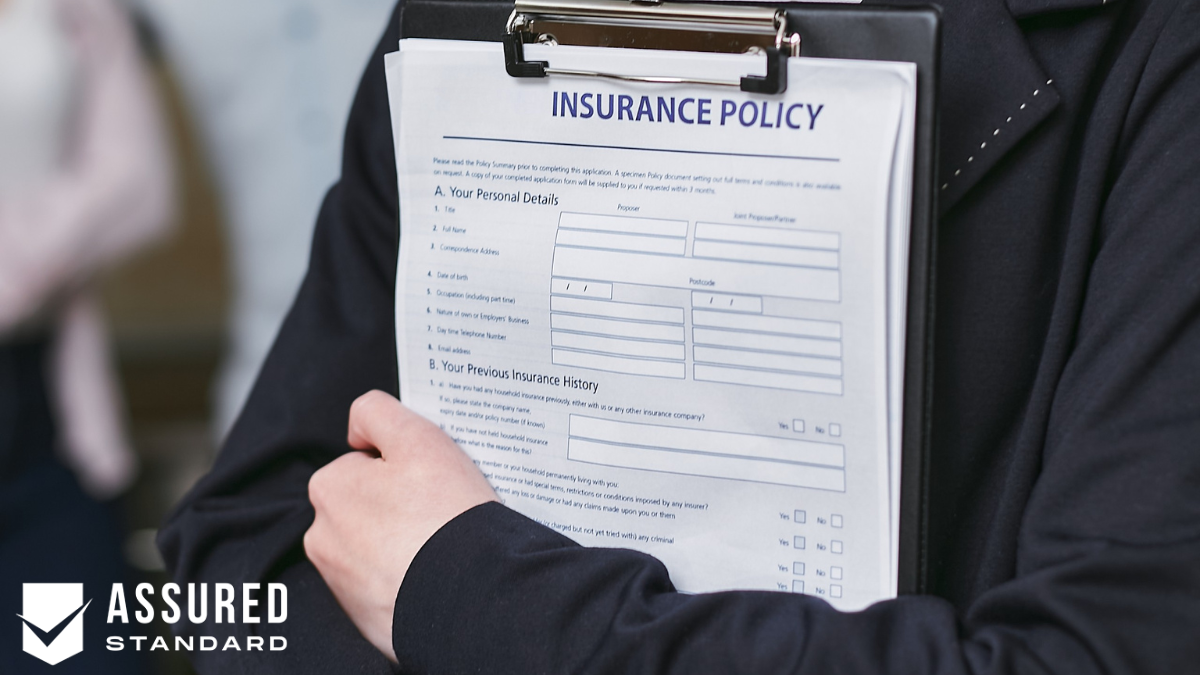
While traversing the intricate landscape of liability insurance, we recognize the vital importance of ensuring fair practices and protecting policyholders.
It's essential that insurers operate transparently, providing clear terms and honest communication.
We must advocate for robust regulations that hold companies accountable for unfair practices, ensuring claims are processed efficiently and justly.
We can assess our personal liability insurance needs by examining our assets, potential risks, and lifestyle. Let's review our coverage limits, consider professional advice, and guarantee we're protected against unforeseen events that could impact our financial security.
Let's review safety protocols, train employees regularly, and maintain transparent communication. Conducting risk assessments and implementing preventive measures will minimize exposure to liability claims. We're committed to fostering a safe, compliant environment for everyone involved in our operations.
Let's explore how liability insurance premiums are calculated. We consider factors like the business's industry, size, risk exposure, and claims history. It's important to understand these elements to anticipate potential costs accurately and manage risks effectively.
We might wonder if our liability insurance covers international incidents. Yes, many policies do, but it’s essential we review our specific plan details and consult our provider to guarantee we’re fully protected wherever we operate.
Let's guarantee we document every detail thoroughly. Start by notifying our insurer immediately, gathering all relevant evidence, and completing claim forms accurately. Keeping communication clear and concise helps us navigate the process efficiently and effectively.
In summary, we've explored the essential components that shape liability insurance, emphasizing the importance of adhering to regulatory frameworks and evolving standards. As we navigate emerging risks, it's imperative that we guarantee fair practices and robust policyholder protection. By staying informed and engaged, we can collectively contribute to a transparent and dynamic insurance landscape. Let's continue to support industry bodies and oversight efforts, fostering a system that adapts and thrives in today's ever-changing environment.