Let's face it, dealing with the aftermath of a motorist accident can be intimidating. We've all heard stories about the legal maze that follows, and it's vital we comprehend how to navigate it. From determining fault to handling insurance claims, each step is significant in securing the compensation we deserve. The complexities can be overwhelming, but don't worry, we're here to guide you through it all and make sure you know exactly what to do next.
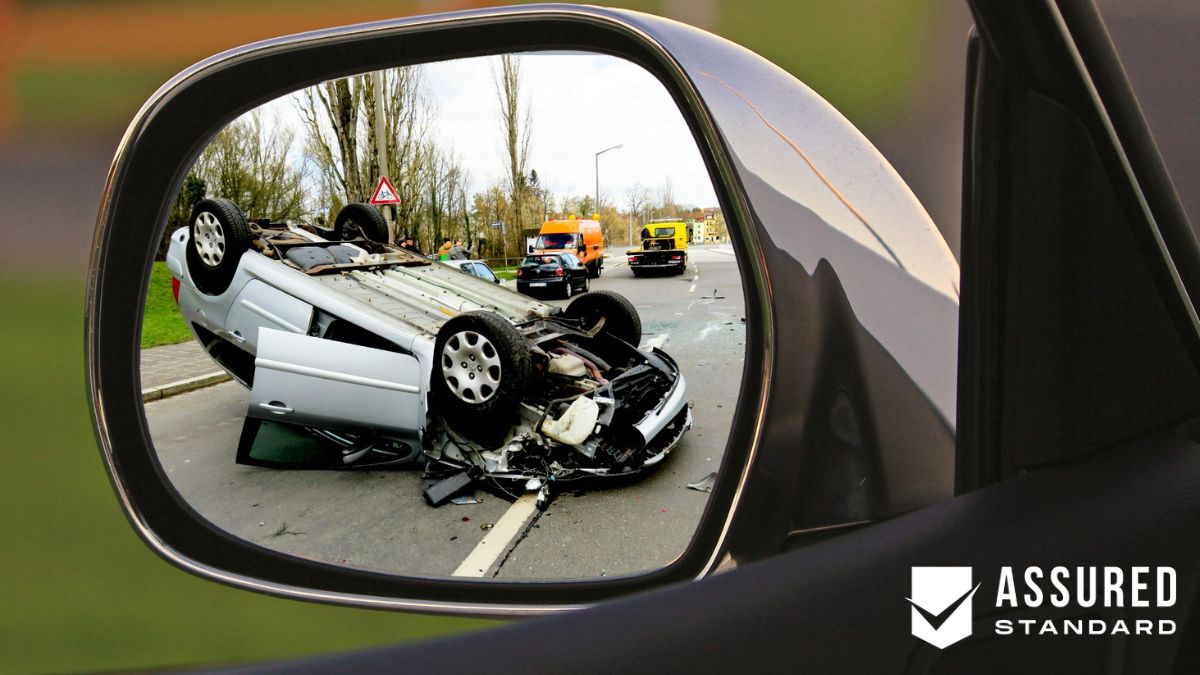
When it comes to understanding the basics of motorist accident claims, we must first identify the key components involved. These claims typically revolve around damages, which include both property damage and personal injury.
We need to gather evidence like police reports, witness statements, and photographic documentation of the accident scene. This evidence helps establish the extent of the damages and supports our claims.
Next, we should consider the insurance policies in play. Knowing the coverage limits, deductibles, and specific inclusions or exclusions in our policy is essential.
We also need to be aware of any deadlines for filing claims, as missing these can affect our ability to recover damages. By understanding these elements, we empower ourselves to better navigate the claims process.
Determining fault and liability in a motorist accident claim can be complex, yet it's vital for resolving the case. We need to gather evidence, like police reports, witness statements, and photographs, to piece together what happened. This helps us establish who was responsible.
It's essential to understand local traffic laws since they guide us in identifying any violations that contributed to the accident. By examining the behaviors and circumstances leading up to the incident, we can assess the degree of fault.
We must consider factors like weather conditions and road signage, too. Sometimes, more than one party shares the blame, which affects how liability is divided.
Our goal is to guarantee a fair outcome by accurately determining liability, paving the way for the next steps.
Maneuvering the aftermath of a motorist accident claim often involves dealing with insurance companies, which can be intimidating.
We must approach these interactions with care and clarity to guarantee a fair outcome. Let’s break down how we can effectively handle this process:
Let's tackle the next step in seeking compensation after an accident: understanding how to assess damage valuation and file insurance claims effectively.
When we accurately evaluate the extent of our damages, we can guarantee that our claims reflect the true costs of repairs or medical expenses.
Understanding how damage valuation works is vital when seeking compensation after a motor vehicle accident. We need to take into account various factors to guarantee we pursue the right amount of compensation.
First, let's evaluate the cost of repairs or replacement of our vehicle. This includes estimations from trusted mechanics or body shops.
Next, we should account for medical expenses that arise from injuries sustained in the accident. These costs can accumulate quickly, so detailed records are significant.
Finally, don't forget to factor in non-economic damages like pain and suffering, which are harder to quantify but equally important.
When filing insurance claims after a motor vehicle accident, it’s crucial to navigate the process efficiently to secure the compensation we're entitled to.
First, let’s gather all necessary documentation, such as the police report, photos of the accident scene, and medical records. These documents support our claim and establish the basis for compensation.
Next, we should contact our insurance company promptly. Reporting the accident as soon as possible helps prevent potential delays in processing our claim.
While discussing the details with the insurance adjuster, it’s important to remain honest and clear.
Let’s verify we comprehend the policy terms, especially coverage limits and deductibles. If we encounter any challenges, seeking legal advice can provide clarity and assist in negotiating a fair settlement.
Together, we can effectively manage our claims process.

Maneuvering the legal process after a motorist accident can feel overwhelming, yet it's essential for securing fair compensation.
First, let's gather all necessary documentation to build a strong case. Having everything organized helps streamline the process and can make a significant difference in outcomes.
We should be prepared to engage with legal professionals who understand the complexities of accident claims. Their expertise can guide us through each step, ensuring we don't miss critical details.
Key steps include:
While maneuvering through the aftermath of a motorist accident, it's essential that we actively protect our rights and interests to secure a fair resolution.
First, let's document everything—photos of the scene, damages, and any visible injuries. This evidence supports our claims. We should also exchange contact information with witnesses, as their accounts can be invaluable.
It's important not to admit fault or make statements that could be misconstrued. Contacting our insurance company promptly guarantees they’re aware of the incident and ready to assist.
Legal advice can be vital, so consulting a lawyer familiar with motorist accidents can help us understand our rights and options.
Let's focus on practicing mindfulness and seeking support from loved ones. We can also consider professional counseling to help process emotions. Engaging in activities we enjoy can provide much-needed relief and gradually ease emotional stress.
If the other driver flees the scene, let's quickly note the vehicle's details and call the police to report it. We should also gather witness information and contact our insurance to start the claims process.
Yes, there are support groups specifically for motor accident victims. We can join these groups to share experiences, find emotional support, and access resources. They're valuable for healing and connecting with others who've faced similar situations.
We should contact our healthcare providers and discuss payment plans. Let them know insurance will cover costs eventually. Meanwhile, reviewing our policy helps us understand coverage details. Keeping organized records of bills and communications is essential.
Yes, our social media posts can impact our motorist accident claim. We should be cautious about sharing details online, as insurance companies may use them against us. It's best to keep accident-related information private until resolved.
In steering motorist accident claims, we must stay informed and proactive to protect our rights. By understanding the basics, determining fault, and dealing effectively with insurance companies, we can seek the compensation we deserve. Let’s not forget the importance of timely filing and gathering all necessary documentation. Engaging a knowledgeable attorney can guide us through the legal process, ensuring our interests are safeguarded. Together, we can work towards a more favorable outcome in our claims.