Let's explore the nuances of Non-Trucking Liability Insurance and Bobtail Insurance, two vital coverages for truck owners that serve distinct purposes. Understanding these differences is fundamental for ensuring we're adequately protected and compliant with regulations. As we navigate the complexities of these insurance options, we'll uncover key insights that could impact our decision-making. Curious about how each insurance type fits into our trucking needs? Let's investigate further.
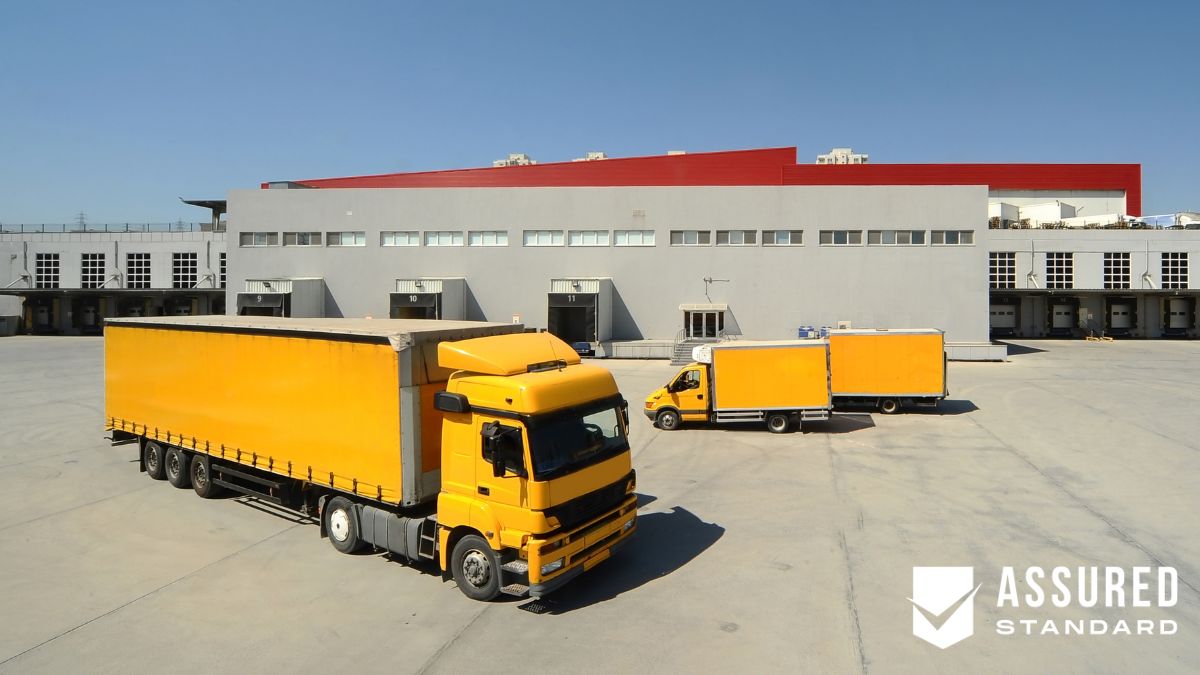
Non-trucking liability insurance is vital for truck owners who want to protect themselves when they're off the clock.
We recognize the challenges you face when distinguishing what coverage you need. This insurance covers damages or injuries we might cause while driving our trucks for personal use, outside of work duties.
It's important because, even off duty, accidents can happen, and we don’t want to be left vulnerable.
While understanding non-trucking liability insurance is essential, it's equally important to explore bobtail insurance to cover all bases.
Bobtail insurance specifically caters to truckers who are driving their trucks without a trailer attached. This situation often arises when returning home after a delivery or heading out to pick up the next load. It’s a vital safety net for those moments when our truck is on the road but not under a load contract.
We need to recognize that bobtail insurance provides protection beyond the coverage offered by a motor carrier's liability policy. It steps in to cover incidents when we’re not hauling freight.
As truckers, ensuring we're protected during all phases of operation means we can drive with peace of mind.
Understanding the key differences between non-trucking liability and bobtail insurance is essential for us as truckers. Both coverages protect us when we're not hauling cargo, but their specifics vary.
Non-trucking liability insurance kicks in when we're using our trucks for personal reasons, like running errands. It doesn't cover us when we're under dispatch or carrying loads.
On the other hand, bobtail insurance covers us when we're driving without a trailer, regardless of the purpose. It applies even if we're under dispatch but not pulling a trailer.
Knowing which coverage applies in different situations helps us make informed decisions and avoid gaps in protection. By understanding these distinctions, we can guarantee we're adequately covered, preserving both our livelihoods and peace of mind.
Choosing non-trucking liability insurance is vital when we use our trucks for personal activities unrelated to business. This type of insurance covers us during those times we’re off-duty, like driving to a store or running personal errands.
It’s important because our regular commercial policies won’t protect us during these non-business activities.
We should consider non-trucking liability insurance if we frequently find ourselves on the road for personal reasons, separate from any company obligations. This coverage helps guarantee we’re not left vulnerable if an accident occurs during our personal time.
It’s a smart way to ensure peace of mind, knowing we’re covered even when we’re not working. Let’s make certain we’re adequately protected when using our trucks outside of business hours.
Why should we consider bobtail insurance? As truck drivers, we often find ourselves driving without a trailer after a delivery. This is where bobtail insurance becomes essential. It covers us when we're operating the truck without a trailer, especially during non-business hours, providing peace of mind and financial protection.
Here's why we might opt for bobtail insurance:
As we navigate the complex world of trucking insurance, let's focus on the legal requirements that truck drivers must meet to stay compliant.
We need to guarantee our insurance coverage aligns with regulatory standards, which vary by state and type of operation.
Keeping accurate documentation and records is essential for protecting ourselves and our businesses from legal issues.
Understanding the legal requirements for insurance coverage is essential for truck drivers to stay compliant and avoid penalties.
We recognize that maneuvering through insurance options can be overwhelming, but focusing on the necessities helps simplify the process.
Here are three key coverage necessities every truck driver should consider:
Maneuvering the intricate web of regulatory compliance is essential for us truck drivers to avoid costly penalties and guarantee smooth operations. We need to understand and adhere to federal, state, and local regulations governing our industry.
The Federal Motor Carrier Safety Administration (FMCSA) sets nationwide standards that we must follow, including hours of service and vehicle maintenance requirements. It's vital for us to keep up-to-date with any changes in these rules to remain compliant.
Compliance isn't just about following rules; it's about ensuring safety for us and others on the road. We should regularly check our vehicles, maintain up-to-date licenses, and complete any necessary training.
Efficient recordkeeping is essential for us truck drivers to meet legal requirements and guarantee compliance. It helps us stay organized and makes sure we're ready for any inspections or audits.
Here are three key areas we need to focus on:
Let's explore the cost factors that impact non-trucking and bobtail insurance.
We should consider the different pricing influences and variables that lead to cost variations between these two types of coverage.
Understanding the pricing influences and variables for non-trucking liability and bobtail insurance helps us make informed decisions about our coverage needs.
Let's explore the factors that contribute to these costs:
When deciding between non-trucking liability and bobtail insurance, examining cost factors reveals distinct differences that affect our bottom line. Non-trucking liability insurance generally costs less because it covers fewer scenarios, only when our truck is used for personal errands.
In contrast, bobtail insurance might be pricier since it covers us whenever we drive without a trailer, regardless of whether we've completed a delivery or are en route to pick one up.
Additionally, our driving record, location, and the type of truck play significant roles in determining premiums. We must also consider deductible amounts and any discounts available.
Understanding these elements helps us make informed decisions, ensuring we choose the most cost-effective option that adequately protects our investment while meeting our specific needs.
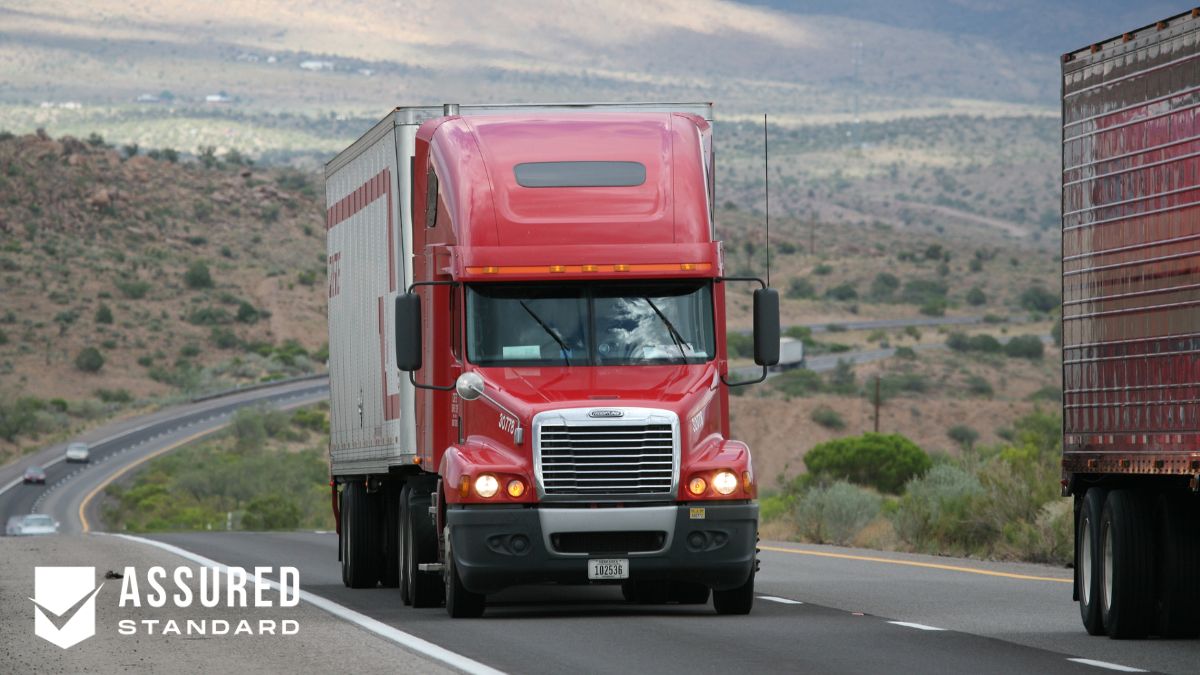
Choosing the right insurance coverage for our trucking needs can seem intimidating, but simplifying the process starts with understanding the key differences between available options.
Let's focus on making informed decisions:
We acknowledge your concern about stolen cargo. Non-trucking liability insurance doesn’t usually cover stolen cargo. It mainly protects us from liability when we’re not hauling goods. For cargo protection, we’d need a specific cargo insurance policy.
Let's explore whether Bobtail insurance applies during personal errands. It doesn't cover personal use when not under dispatch. We should verify our policy details to guarantee we're adequately protected during non-commercial activities. Always review specifics with your insurer.
We acknowledge your concern about insurance premiums. Yes, they typically increase if there are violations or accidents on your record. It's essential to drive safely and maintain a clean record to keep your premiums lower.
We must consider how our seasonal work patterns influence our insurance needs. These fluctuations can affect coverage requirements and premiums. Let's review our policy terms carefully to guarantee we're adequately protected throughout different seasons.
Yes, we can often find discounts when we bundle different types of insurance. It’s beneficial to explore bundled options because they simplify payments and save money. Let’s contact our provider to see what’s available.
In wrapping up, we've explored the nuances of non-trucking liability and bobtail insurance, highlighting their unique roles in protecting truck drivers. It's crucial that we all understand these differences to make informed decisions about coverage. Whether you're driving off-duty or without a trailer, choosing the right insurance guarantees compliance and peace of mind. Let's prioritize understanding our needs and legal obligations to select the best coverage, ultimately safeguarding our livelihoods on the road.