To renew your primary liability insurance smoothly, start by understanding your current coverage and identifying any changes in your liability needs. Review policy terms, exclusions, and assess your risk profile to determine if updates are necessary. Look for savings opportunities, such as increased deductibles, and explore policy enhancements for added protection. Keep in touch with your provider and prepare all required documents. Explore emerging risks and market trends to guarantee you’re well-protected. Consider what's next for deeper insights.
Before renewing your primary liability insurance, it’s essential to fully understand your current coverage. Start by reviewing your policy documents. Check the coverage limits to guarantee they meet your current needs. Pay attention to any exclusions or special conditions that might affect your protection. Knowing these details helps you avoid potential gaps in coverage.
Next, assess the adequacy of your policy in protecting against liabilities. Are there areas where you feel exposed? If so, note them down for discussion with your insurance agent.
Recognize how claims are handled and what your responsibilities are in the event of an incident. Familiarizing yourself with these aspects empowers you to make informed decisions during renewal and guarantees your coverage aligns with your expectations and requirements.

How have your circumstances changed since you last reviewed your liability coverage? Take a moment to reflect on any new risks you might face.
Have you acquired new assets? Changes like buying a home or expanding a business could require more coverage. Perhaps you've taken on new responsibilities or projects that increase potential liabilities. It’s vital to assess these changes to guarantee your insurance keeps pace with your life.
Contemplate the evolving nature of your personal or professional environment. Are there industry-specific risks you need to address?
When reviewing your policy terms and conditions, pay close attention to key policy amendments and any changes in coverage limits.
These adjustments can considerably impact your protection and financial obligations.
Make sure you understand how these changes affect your overall coverage.
As you review the terms and conditions of your primary liability insurance policy, it’s important to focus on key amendments that could impact your coverage.
Policy amendments often involve changes in definitions, exclusions, or conditions that can alter your protection level. Keep an eye on any new clauses or modifications to existing ones, as they might affect situations where your policy will or won’t respond.
Be sure to understand each amendment's implications, as they can introduce new responsibilities or limitations. If you encounter unfamiliar terms, don't hesitate to ask your insurer for clarification.
This proactive approach guarantees you’re fully aware of how your policy has evolved, helping you make informed decisions and maintain adequate coverage for your needs.
Even though reviewing coverage limit adjustments might seem challenging, it's an essential part of understanding your primary liability insurance policy.
When you're renewing, take a close look at the limits set on your coverage. These limits define the maximum amount your insurer will pay for a claim. If your business has grown or your risk exposure has changed, you might need higher limits to adequately protect yourself.
Start by comparing your current limits with your potential liabilities. Are they enough to cover possible claims? Talk to your insurance agent if you're unsure. They can help assess whether adjustments are necessary.
While steering through the renewal process for primary liability insurance, identifying potential savings opportunities can greatly impact your bottom line.
Start by reviewing your current policy to spot any unnecessary coverage. Sometimes, you're paying for features you don’t need.
Contact your insurance provider to discuss discounts or bundled options that might be available. Consider increasing your deductible if it aligns with your risk tolerance; this can lower your premium.
Also, maintaining a strong safety record can improve your risk profile, potentially qualifying you for lower rates.
Regularly compare quotes from different insurers to ascertain you're getting the best deal. Staying informed and proactive in these areas guarantees you’re not overpaying and allows you to allocate resources more efficiently.

When renewing your primary liability insurance, it’s important to explore policy enhancements and add-ons that can provide additional benefits tailored to your unique needs.
Start by reviewing your current coverage and identifying areas where you might need more protection. Consider add-ons like cyber liability for digital risks or employment practices liability if you manage a team. These enhancements can offer peace of mind and cover gaps not included in standard policies.
Communicate with your insurance provider to understand available options and their costs. They can help you select enhancements that align with your risk profile without breaking the bank.
You need to stay informed on regulatory changes because they directly impact your insurance coverage.
Compliance requirements are constantly evolving, so updating your policies is essential.
As the insurance landscape evolves, staying informed about regulatory changes becomes vital for policyholders and insurers alike. These changes can greatly impact how your insurance policy functions and its cost.
By understanding new regulations, you can anticipate how they might affect your coverage. You’ll avoid surprises during renewal periods and make more informed decisions.
For insurers, keeping up with changes guarantees compliance and helps structure policies that meet current legal standards. It’s important for you to regularly review updates from regulatory bodies and industry news sources.
This proactive approach not only keeps your insurance valid but also offers peace of mind. By staying informed, you’ll make certain that both you and your insurer are prepared for any shifts in the regulatory environment.
Although regulatory landscapes can shift rapidly, staying updated on compliance requirements is vital for both policyholders and insurers. You need to keep an eye on new regulations that could impact your liability insurance renewal.
Regularly reviewing government websites, subscribing to industry newsletters, and attending relevant webinars can help you stay informed. It’s not just about knowing the changes but understanding how they affect your policy.
Insurers also play an important role by providing updates and advice on compliance issues. Don't hesitate to ask your insurer for clarification if you're unsure about any regulatory changes.
Staying proactive guarantees you meet all legal obligations and avoid potential penalties. With informed decisions, you'll maintain a policy that’s both compliant and beneficial.
While the landscape of liability insurance is constantly evolving, adapting to legal shifts is crucial for maintaining effective coverage. You need to stay informed about new regulations and changes in laws that might affect your policy.
Regularly review legal updates, and don’t hesitate to consult with experts who can provide insights specific to your needs. This proactive approach guarantees you’re not caught off guard by new compliance requirements or potential gaps in coverage.
It’s also wise to attend industry seminars and workshops, as they often highlight upcoming legal trends. By staying ahead of legal shifts, you’ll protect your interests and maintain peak liability coverage.
Understanding the market conditions and trends is essential when renewing primary liability insurance. You need to keep an eye on several factors to make informed decisions.
Here's what you should consider:
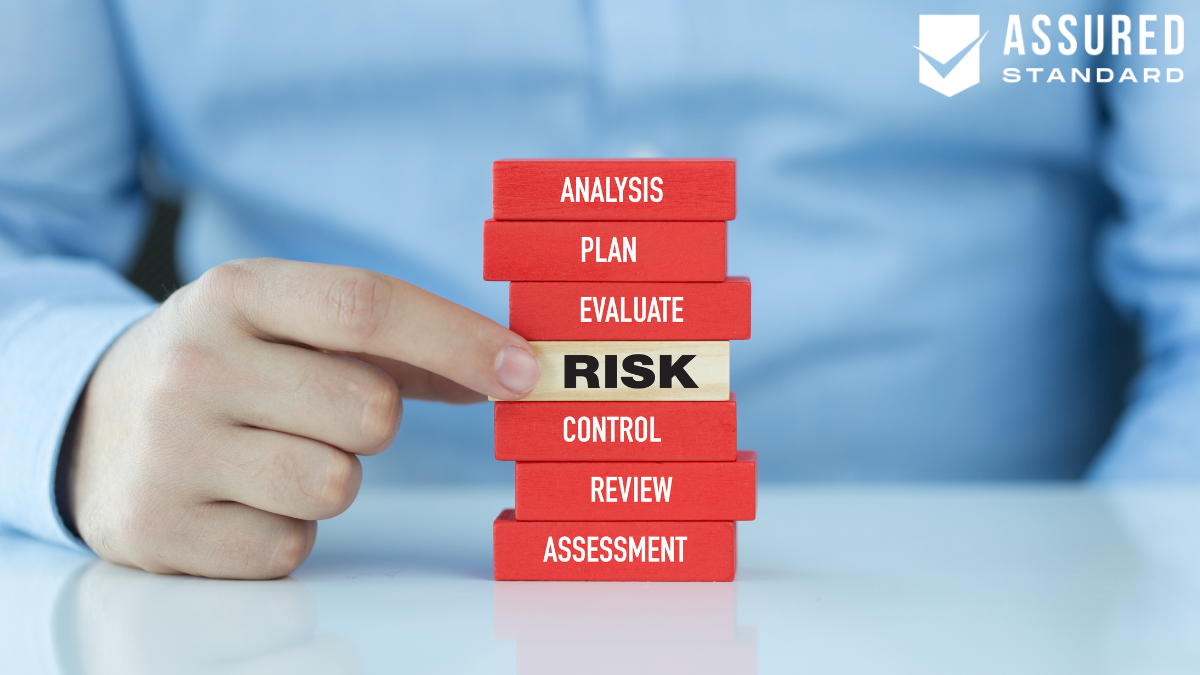
Having a solid grasp of market conditions is just the beginning when renewing primary liability insurance. You need to recognize emerging risks to guarantee thorough coverage.
Start by identifying new trends in your industry that could impact your liability. Are there technological advancements that introduce new vulnerabilities? Consider how changes in regulations might affect your operations.
Additionally, observe shifts in consumer behavior that may lead to increased claims. It's essential to stay informed about global events, such as climate change or cyber threats, which could influence risk exposure.
Engaging with industry reports and expert analyses can offer valuable insights. By proactively identifying these emerging risks, you can tailor your insurance policy to better protect your business and maintain peace of mind.
Effective communication with your insurance provider is essential to ensuring your coverage meets your needs. It can seem intimidating, but maintaining a clear dialogue will help you stay informed and confident.
Here’s how to make the most of your interactions:
Before starting your primary liability insurance renewal, gather all necessary documentation to guarantee a smooth process.
It's crucial to review any policy changes that may impact your coverage or premiums.
An essential step in the primary liability insurance renewal process is gathering all necessary documentation. You’ll want to guarantee you have everything in order to make the renewal smooth and straightforward.
Start by creating a checklist to track important documents. Here’s a simple guide to help you:
Having these documents ready will help you stay organized and prepared for renewal discussions.
As you prepare for the renewal process, it's vital to thoroughly review any policy changes. Start by comparing your current policy with the renewal offer. Look for alterations in coverage limits, premiums, or exclusions that could impact your protection.
It's important to understand these changes so you're not caught off guard by unexpected gaps or costs. If you spot any modifications, reach out to your insurance agent for clarification. They can explain the implications and provide guidance on whether you should accept the changes or seek modifications.
Also, consider how any changes in your business operations might require adjustments to your policy. This proactive approach guarantees your insurance aligns with your current needs and offers the protection you expect.
As you prepare for your primary liability insurance renewal, take a proactive approach. Review your current coverage and consider any changes in your liability needs. Explore the policy terms, seeking out potential savings and enhancements. Stay informed on market trends and emerging risks. Don’t hesitate to communicate with your insurance provider to address any questions or concerns. By doing so, you’ll guarantee your coverage aligns perfectly with your needs, offering you peace of mind.