
We all know accidents happen, but what if the at-fault driver doesn't have enough insurance to cover the damages? That's where underinsured motorist coverage becomes essential. It protects us from financial burdens when the other driver's policy falls short. Instead of facing unexpected expenses alone, this coverage bridges the gap. Curious about how it works and why it's a must-have in our insurance plans? Let's explore the details together.

When we talk about underinsured motorist coverage, we're discussing an essential part of auto insurance that protects us if we're in an accident with a driver whose insurance isn't sufficient to cover the damages.
We all hope never to need it, but understanding it guarantees we're prepared. This coverage steps in when the at-fault driver lacks adequate insurance to pay for our medical expenses or vehicle repairs.
Imagine we're in a situation where the other driver's insurance maxes out before our bills are covered. Underinsured motorist coverage fills that gap, sparing us from out-of-pocket expenses.
It acts as a safety net, providing peace of mind. By including it in our policy, we make certain we're not left vulnerable after an accident.
Let's explore how uninsured and underinsured motorist coverage each addresses different scenarios on the road.
When a driver doesn’t have insurance at all, uninsured coverage kicks in to protect us, whereas underinsured coverage helps when the other driver's policy limits are too low to cover all damages.
Understanding these differences is essential when we’re maneuvering through the claim-filing process and ensuring we're fully protected.
Although understanding the nuances of insurance can be complex, distinguishing between uninsured and underinsured motorist coverage is essential for securing adequate protection on the road.
Uninsured motorist coverage helps us when we're involved in an accident with a driver who lacks insurance entirely. It's our safety net against those who don’t follow the law.
On the other hand, underinsured motorist coverage fills the gap when the at-fault driver’s insurance isn’t sufficient to cover our damages. It steps in when their policy falls short of our needs, ensuring we're not left bearing high costs.
Many drivers don't realize that having insurance doesn't always mean they're fully protected in every accident. When we're discussing insufficient policy limits, we're talking about situations where the at-fault driver has insurance, but their coverage isn't enough to pay for all the damages. This is where underinsured motorist coverage becomes vital.
While uninsured motorist coverage protects us when the other driver has no insurance, underinsured coverage steps in when their insurance can't cover the full extent of our losses.
Imagine getting into an accident where the medical bills and repair costs exceed the at-fault driver's policy limits. Without underinsured coverage, we might've to pay out-of-pocket for the difference.
It's important to understand this distinction to make informed decisions about our coverage.
When it comes to filing claims, understanding the nuances between uninsured and underinsured motorist coverage is vital. We need to know that uninsured motorist coverage steps in when the at-fault driver doesn’t have any insurance.
On the other hand, underinsured motorist coverage kicks in when the at-fault driver’s insurance isn’t enough to cover our damages.
Filing a claim for each involves a similar process, but the circumstances dictate which coverage applies. We start by notifying our insurer about the accident and providing all necessary documentation, like police reports and medical records.
It’s essential to clearly communicate the other driver’s insurance status. Our insurance provider will guide us through the next steps, ensuring we receive the compensation we’re entitled to under our policy.
When we don't have enough insurance, we risk facing significant out-of-pocket expenses from accidents that aren't fully covered.
This can lead to legal liability issues that put our financial well-being at stake.
Let's explore how inadequate insurance can threaten our economic stability and why it's essential to have proper coverage.
Although it might seem like an unlikely scenario, finding ourselves involved in an accident with an underinsured driver can lead to significant financial burdens.
We might assume their insurance will cover everything, but that's not always true. If their policy falls short, we're left to tackle medical bills, vehicle repairs, and other unexpected costs ourselves. Such expenses can quickly add up, impacting our savings and peace of mind.
Underinsured motorist coverage helps bridge this gap. It guarantees we're not left financially stranded, covering costs that the at-fault driver's insurance cannot.
Inadequate insurance can leave us exposed to serious legal liabilities if we're involved in an accident. When we're at fault, the financial obligations can quickly become overwhelming. Without sufficient coverage, we might face lawsuits from other parties for damages and injuries.
Even if we're not entirely at fault, the other driver mightn't have enough insurance to cover our costs. This could force us to pay out of pocket for expenses we didn't anticipate.
It's essential to understand these risks and how they can impact our financial future. By having underinsured motorist coverage, we protect ourselves from potential legal battles and guarantee we're not left vulnerable.
Let's take control of our protection, so we're not caught off guard when unexpected incidents occur.
Despite our best efforts to plan and budget, inadequate insurance can swiftly undermine our economic stability. When we're involved in an accident with an underinsured motorist, the financial fallout can be severe.
We might face hefty medical bills and repair costs that exceed the at-fault driver's coverage limits. Without sufficient underinsured motorist coverage, these expenses could come out of our pocket, putting a strain on our finances.
Imagine dipping into savings or going into debt to cover these unexpected costs. It's a situation none of us want to face, yet it's a real threat if our insurance isn't up to par.
When we hit the road, we often assume others have sufficient insurance to cover any mishaps. However, the reality is that not everyone carries enough coverage. This is where underinsured motorist coverage (UIM) comes into play.
UIM kicks in when the at-fault driver's insurance doesn't cover all our damages. It's designed to bridge the gap between the other driver’s insufficient policy and the actual expenses we face.
If we're involved in an accident with an underinsured driver, our UIM coverage will pay for medical bills, lost wages, and other related costs up to our policy limits.
We deal directly with our insurer, avoiding lengthy negotiations with the other driver’s insurance. By having UIM, we guarantee better financial protection in uncertain circumstances.
Imagine driving home from work when suddenly, another car crashes into us. The driver at fault only carries minimum insurance, which doesn’t fully cover the damage to our car or our medical expenses.
In this situation, underinsured motorist coverage becomes crucial. It steps in to fill the financial gap, ensuring we're not left with hefty bills that shouldn't be ours to pay.
Picture another scenario where a distracted driver clips our vehicle, causing significant damage. They have some coverage, but it’s nowhere near enough for repairs.
Instead of stressing about out-of-pocket costs, our underinsured motorist coverage takes care of those expenses.
These real-life scenarios highlight why having this coverage isn’t just wise—it’s indispensable for protecting our financial well-being.
How do we determine the right amount of underinsured motorist coverage? First, we should assess our financial situation and risk tolerance. We need to reflect on the potential costs we could face if an underinsured driver hits us. It’s crucial to evaluate our assets and what could be at risk in a significant accident.
Let’s also review our current auto insurance policy to see where gaps might exist.
Next, we should think about our daily commute and driving habits. Longer commutes or frequent travel on busy roads might increase our risk exposure.
We can then consult with an insurance agent to get tailored advice. They can help us balance adequate coverage with affordability, ensuring we’re protected without overextending our budget.
While we mightn't anticipate accidents, understanding the financial impact of medical expenses and vehicle repairs is essential. Underinsured motorist coverage helps bridge the gap when the at-fault driver lacks sufficient insurance.
Let's break down how this coverage can make a significant difference:
Investing in underinsured motorist coverage provides a financial safety net when we need it most.
Understanding the legal requirements and coverage options for underinsured motorist coverage is essential as we navigate our insurance needs. Each state has its own laws regarding this coverage, and it's important to know whether it’s mandatory where we live. Some states require us to carry both uninsured and underinsured motorist coverage, while others leave it optional.
This protection helps cover costs if the at-fault driver’s insurance doesn’t fully pay our expenses.
When considering coverage options, we should evaluate the limits available. Higher limits provide more protection but often come with increased premiums. It's about finding a balance that suits our financial situation and risk tolerance.
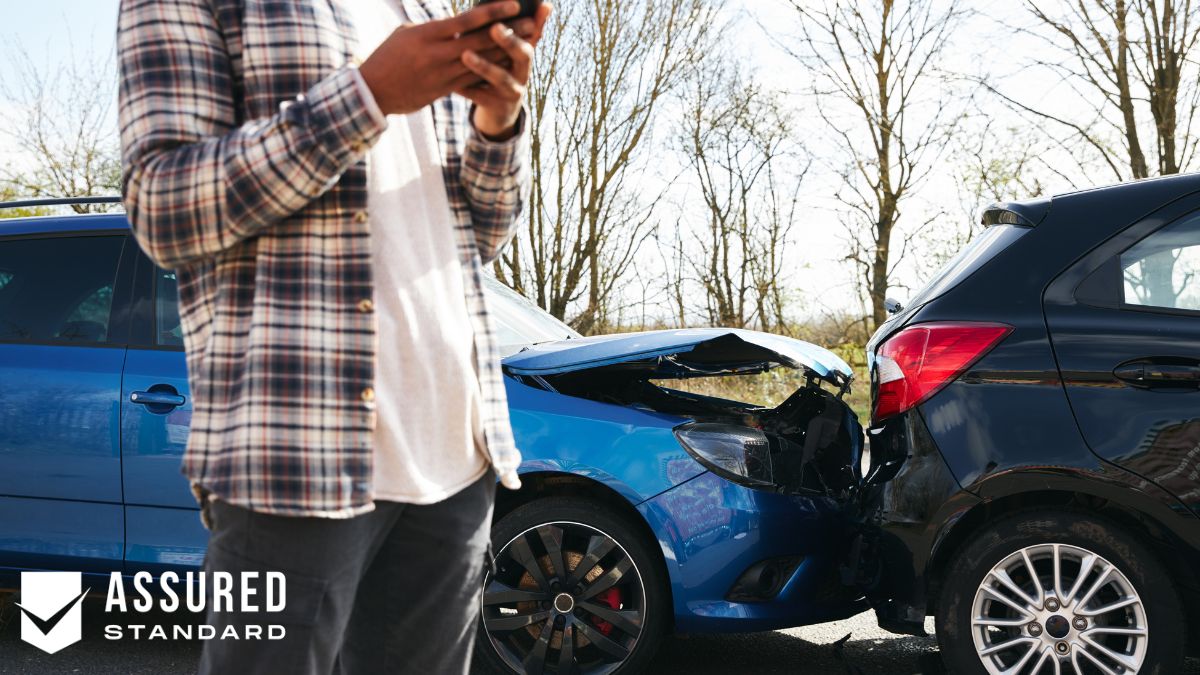
Selecting the best underinsured motorist coverage doesn't have to be intimidating. We're here to guide you through making an informed decision.
First, let's assess what coverage suits our specific needs and budget. It's crucial to evaluate our driving habits and potential risks on the road.
Here's a list of tips to help us choose wisely:
Yes, it can. Our underinsured motorist coverage often extends to rental cars, protecting us from drivers lacking adequate insurance. We should confirm with our insurer to guarantee our policy includes this benefit when renting vehicles.
Yes, underinsured motorist coverage often applies in hit-and-run accidents. It helps us cover medical expenses and damages when the at-fault driver is unidentified or lacks sufficient insurance. Let's guarantee we're protected in these unexpected situations.
Underinsured motorist coverage might slightly increase our premiums, but it provides invaluable protection. We gain peace of mind knowing we're covered if another driver lacks sufficient insurance. It's a small price for financial security on the road.
Yes, underinsured motorist coverage can have exclusions. It might not cover intentional acts or non-vehicle incidents. We should review our policy details to understand specific exclusions, ensuring we’re fully prepared for potential situations that arise.
Yes, we can use underinsured motorist coverage for passengers in our vehicle. It helps protect them if an underinsured driver causes an accident. Ensuring everyone’s safety and peace of mind is always a priority on the road.
In traversing the complexities of auto insurance, we can't overlook the significance of underinsured motorist coverage. It bridges the gap when an at-fault driver’s insurance falls short, protecting us from unexpected financial strains. By understanding its benefits and selecting the right amount, we guarantee we're covered for medical expenses, lost wages, and vehicle repairs. Let’s take proactive steps to safeguard our financial well-being and drive with peace of mind, knowing we're prepared for the unexpected.