We're witnessing a transformation in trucking history thanks to digital innovations. These advancements, like IoT and AI, boost efficiency by optimizing routes and predicting vehicle maintenance. They also enhance safety with AI-powered systems and redefine fuel management for sustainability. As we embrace electric trucks and smart logistics, we're paving the way for a cleaner and more efficient future in trucking. Explore further to discover how these technologies are shaping the industry.
Over the years, trucking has transformed dramatically, driven by technological advancements that we've witnessed firsthand.
We've seen the shift from manual processes to digital platforms that streamline operations and enhance efficiency. GPS technology now guides us with precision, guaranteeing timely deliveries and ideal routes. Electronic logging devices (ELDs) have replaced paper logs, providing accurate tracking of driving hours and improving compliance with regulations.
Advanced telematics systems offer real-time data on vehicle health, helping us maintain fleets better and reduce downtime.
We also benefit from automated systems that enhance safety, like collision avoidance and lane departure warnings. These innovations not only make our jobs easier but also guarantee a safer, more reliable industry.
Together, we've embraced technology, transforming trucking into a modern, efficient powerhouse.
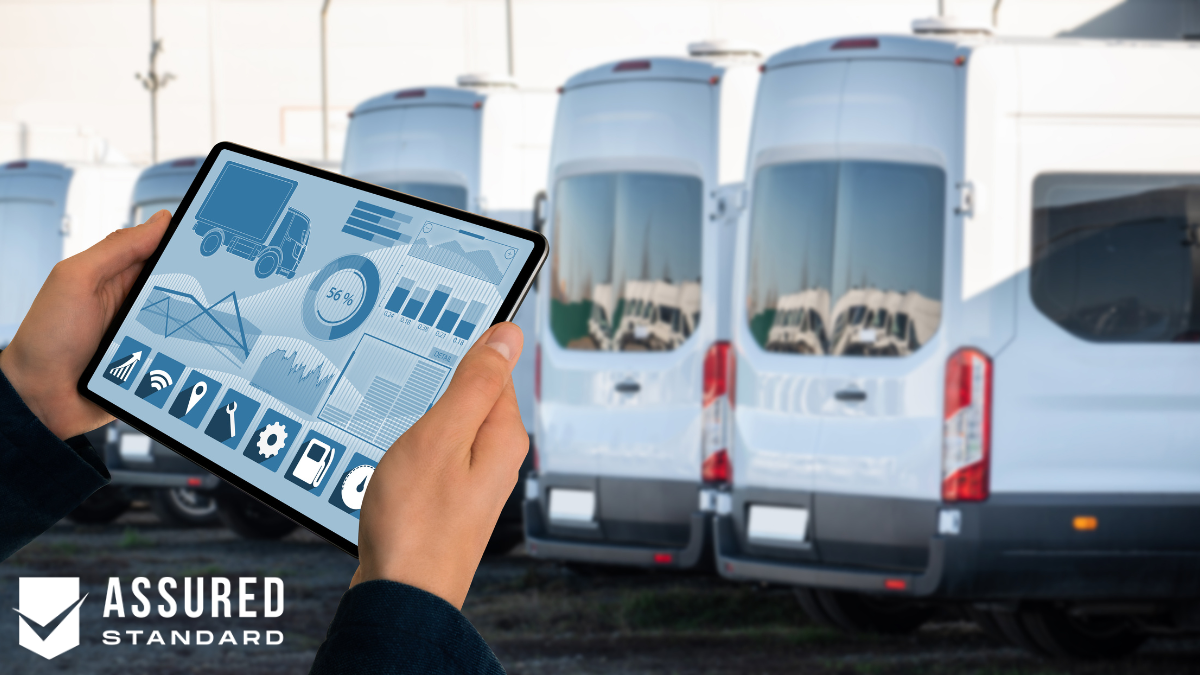
As we explore the impact of IoT on fleet management, we see how real-time vehicle tracking has transformed our ability to monitor and optimize operations.
With IoT, we can predict maintenance needs before they become costly problems, enhancing efficiency and safety.
Let’s consider how these innovations are reshaping our industry.
While the trucking industry has long relied on traditional methods for managing fleets, the advent of IoT technology has revolutionized how we track and optimize our vehicles.
Real-time vehicle tracking allows us to monitor our fleet's location, speed, and routes with precision. This technology provides us with up-to-the-minute data, helping us make informed decisions and improve efficiency.
By knowing exactly where each truck is, we can enhance route planning, reduce fuel consumption, and increase on-time deliveries. It also guarantees better communication between drivers and dispatchers, minimizing delays and misunderstandings.
With real-time insights, we can swiftly adapt to changing conditions, such as traffic or weather, maintaining the highest level of service for our clients.
IoT truly transforms our fleet management approach.
When it comes to fleet management, predictive maintenance offers significant advantages that can’t be overlooked. By leveraging IoT technology, we can anticipate vehicle issues before they become costly problems.
Sensors on trucks collect data on engine performance, tire pressure, and more, allowing us to schedule maintenance only when it’s truly needed. This approach minimizes downtime and reduces unexpected breakdowns, keeping our fleet running smoothly.
Moreover, predictive maintenance helps us extend the lifespan of our vehicles by preventing wear and tear that might go unnoticed until it’s too late. This not only saves money but also boosts our operational efficiency.
As we explore how AI is enhancing trucking safety, let's consider how collision avoidance technology, driver monitoring systems, and predictive maintenance tools play vital roles.
These innovations don't just help prevent accidents but also guarantee our drivers are more alert and our fleets are always in top condition.
In the rapidly evolving world of trucking, collision avoidance technology is revolutionizing how we enhance safety on the roads. These systems use advanced sensors and artificial intelligence to detect potential hazards and prevent accidents. By alerting drivers to threats or even taking control to avoid collisions, they greatly reduce the risk of accidents.
We’re talking about technology that includes radar, cameras, and LiDAR, which work together to monitor the vehicle's surroundings in real time. When a threat is detected, the system can either warn the driver or automatically apply the brakes.
This proactive approach not only protects the driver but also other road users. By integrating these technologies, we’re making our roads safer and our journeys more secure. Let’s embrace these innovations for a safer future.
Driver monitoring systems are a game-changer in enhancing road safety with AI-powered technology. By keeping an eye on driver behavior, we're not just improving safety but also transforming how we approach trucking.
These systems can detect when a driver's attention wavers or fatigue sets in, ensuring we’re always alert on the road. Let’s consider how these innovations affect us:
As we embrace these advancements, we’re paving the way for a safer trucking future.
While we navigate the ever-evolving landscape of trucking technology, predictive maintenance tools stand out as a revolutionary advancement. By harnessing the power of AI, these tools allow us to foresee potential mechanical issues before they become costly breakdowns.
We’re talking about algorithms analyzing data from sensors to predict when parts might fail. It means fewer unexpected repairs and more time on the road. Imagine being able to replace a worn-out component before it compromises safety or causes delays.
This proactive approach not only enhances safety but also optimizes operational efficiency. As we embrace these advancements, we’re not just maintaining our trucks; we’re redefining reliability in the industry.
Let’s guarantee our fleets are always in top condition, ready for whatever challenges lie ahead.
As we look toward the horizon of freight transportation, autonomous vehicles promise to revolutionize the trucking industry. These innovations bring a future filled with potential and excitement.
Imagine a world where:
We’re on the brink of a new era where technology transforms how freight moves across the country.
Together, we can embrace these changes, understanding the profound impact they’ll have on our lives, businesses, and communities.
With the advent of autonomous vehicles promising to reshape freight transport, it's important to contemplate another pressing issue: the driver shortage.
As the trucking industry faces a growing gap in available drivers, digital solutions are emerging to bridge this divide. We can leverage technology to streamline recruitment processes, making it easier to match available drivers with companies in need.
Training platforms are also evolving, offering online courses and virtual simulations to upskill drivers efficiently. Additionally, telematics systems help monitor driver performance, guaranteeing safety and improving job satisfaction.
Harnessing the power of advanced analytics, we can transform how trucking companies optimize their routes. By leveraging data, we create more efficient paths that save time and resources.
Let’s explore how this evolution impacts us all:
These innovations reshape the trucking landscape, offering benefits that resonate across the industry and beyond.
We’re not just moving goods; we’re driving progress.
Building on the advancements in route optimization, we now turn our attention to fuel management innovations that are redefining the trucking industry. Fuel costs often represent a significant portion of operational expenses, and cutting-edge technologies are helping us tackle this challenge.
By incorporating real-time data analytics, we can monitor fuel consumption patterns, identify inefficiencies, and make informed decisions to optimize fuel usage.
Telematics systems play a pivotal role by providing insights into driver behavior, enabling us to promote practices like smoother acceleration and reduced idling. Additionally, these systems allow us to schedule maintenance proactively, preventing issues that could lead to fuel inefficiency.
As we endeavor toward a more sustainable future in the trucking industry, it’s essential to recognize the role of technology and innovation.
Together, we can embrace solutions that will lead us toward a cleaner and more efficient path.
Let’s consider the following ways digital innovations are driving this transformation:
Together, we’re redefining trucking history for a better tomorrow.
Digital innovations let us better manage our schedules, reducing long hours and stress. We can track routes in real-time and communicate efficiently, giving us more time at home and improving our work-life balance. It's a game-changer.
Cybersecurity measures protect our trucking networks from threats, ensuring data safety and system integrity. As we rely more on digital tools, it’s vital we comprehend cybersecurity’s importance in keeping our operations secure and efficient for everyone involved.
We can enhance communication in trucking by using digital platforms that streamline real-time updates and tracking. They enable better coordination between drivers, dispatchers, and clients, reducing delays and misunderstandings. These tools make our operations more efficient.
We're witnessing digital innovations boosting trucking companies' economic performance. They streamline operations, cut costs, and enhance efficiency. As industry players, we see how improved data analytics and automation create competitive advantages and drive profit margins upwards.
We see digital innovations enhancing customer satisfaction by providing real-time tracking, improved delivery accuracy, and personalized service. These advancements reduce delays and errors, keeping clients informed and happy. Let's embrace tech to boost our logistics experience together.
As we embrace these digital innovations, we're witnessing a transformation in the trucking industry that's both exciting and necessary. We've seen how IoT, AI, and autonomous vehicles are revolutionizing fleet management, safety, and efficiency. By addressing driver shortages and optimizing routes, we're paving the way for a more sustainable future. These technologies aren't just redefining trucking history; they're shaping its future. Together, we're driving toward a smarter, more efficient, and eco-friendly industry.