
Let's explore why safety programs are key in reducing workplace accidents. We understand they're not just about rules and regulations; they're about building a culture where everyone feels responsible for safety. By enhancing our awareness and empowering us with the right skills, these programs help us identify and mitigate risks. But how do they encourage us to actively participate and guarantee compliance? There's more to uncover about their impactful strategies.
Fostering a culture of safety isn't just about implementing rules; it's about cultivating a shared mindset where everyone values and prioritizes safety.
We all need to commit to creating an environment where safety is second nature. This requires open communication, where we can express concerns without fear of repercussions.
When we actively listen and act on feedback, it reinforces the importance of safety to everyone involved.
As we focus on enhancing employee awareness, we must recognize that safety training is key to reducing workplace accidents.
By equipping everyone with the skills to identify and respond to potential hazards, we promote a proactive approach to risk recognition.
Let’s commit to creating an environment where safety is a shared responsibility and everyone feels empowered to act.
When we invest in safety training, we’re not just ticking a box—we’re actively enhancing employee awareness and creating a safer workplace.
Through extensive programs, we equip ourselves with the knowledge to identify potential hazards and the skills to respond effectively.
This preparation isn’t merely theoretical; it translates directly into practical actions that prevent accidents and protect everyone.
Recognizing risks is essential for maintaining a safe work environment, and it all starts with enhancing employee awareness. By understanding potential hazards, we empower ourselves and our colleagues to act proactively, preventing accidents before they occur.
We should focus on clear communication and ongoing training to keep everyone informed about the latest safety protocols. Engaging in regular safety discussions and encouraging questions can foster a culture of vigilance.
Additionally, incorporating visual aids and hands-on experiences helps reinforce learning. When we're aware of our surroundings, we can identify dangers more quickly and take corrective action.
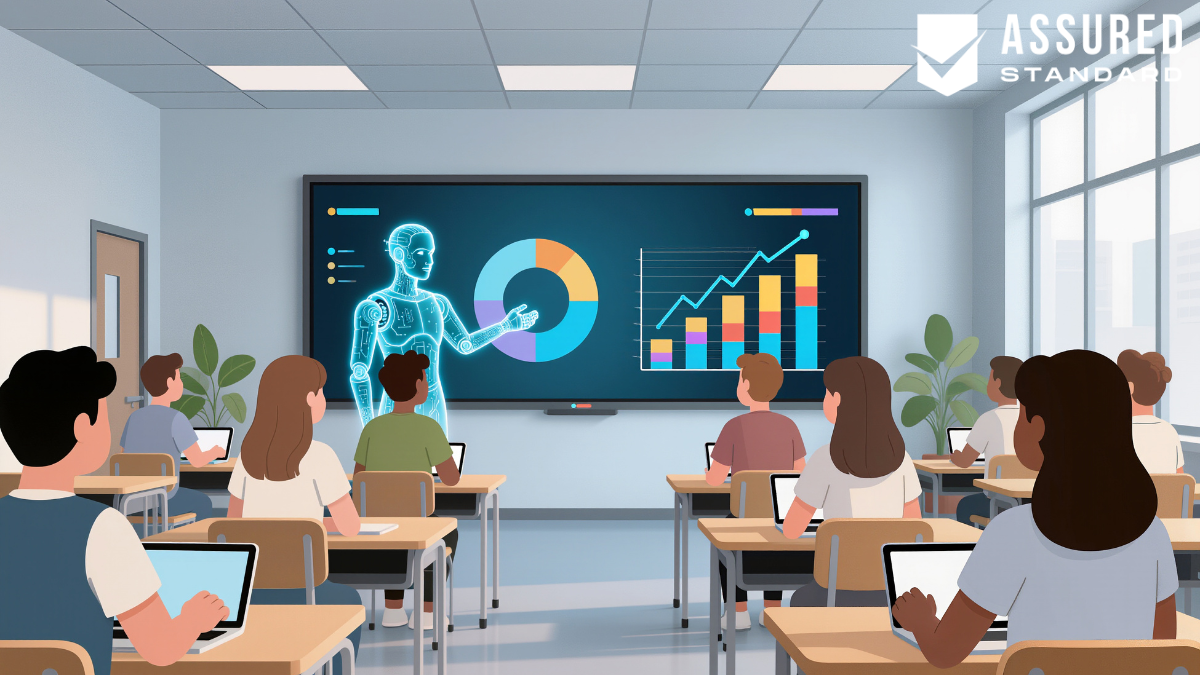
While knowledge and skills form the backbone of any effective safety program, it's vital that we focus on empowering workers to actively participate in their own safety.
By equipping them with the right tools and training, we're fostering an environment where everyone feels confident to make informed decisions. It's not just about following rules; it's about understanding why these rules exist and how they protect us.
When we encourage collaboration and open dialogue, we create a culture where questions and observations are valued.
It's essential to guarantee everyone knows how to handle equipment safely and can identify potential hazards. Empowerment leads to ownership, and when we all feel responsible for safety, we contribute to a safer, more secure workplace for everyone.
Let's focus on how we can prevent accidents by using proactive measures like hazard identification techniques and regular safety inspections.
By consistently identifying potential risks and addressing them early, we're not just reacting to problems but actively preventing them.
We should also guarantee that our team receives thorough safety training, equipping everyone with the knowledge to maintain a safe working environment.
Effective hazard identification is essential for maintaining a safe workplace. By recognizing potential risks early, we can take proactive measures to prevent accidents.
Let's explore some techniques to identify hazards effectively:
Conducting regular safety inspections is a proactive approach that helps us maintain a secure work environment. By routinely evaluating our workplace, we can identify potential hazards before they lead to accidents. This process involves checking equipment, reviewing safety protocols, and ensuring that all safety measures are up to date.
Our goal is to spot issues early and address them promptly, reducing risks for everyone. When we prioritize these inspections, we foster a culture of safety awareness among our team. It demonstrates our commitment to their well-being and encourages them to stay vigilant.
Furthermore, regular inspections can lead to improvements in processes and equipment, enhancing overall workplace efficiency. By staying proactive, we not only prevent accidents but also create a safer, more productive environment.
Building on our commitment to safety through regular inspections, we recognize that employee safety training is an essential component of maintaining a secure workplace.
By equipping our team with the right knowledge and skills, we can prevent accidents before they happen.
Let's explore how proactive training measures make a difference:
How can we foster a culture where employees feel comfortable reporting incidents and providing feedback?
First, let's create an environment of trust. We should assure employees that their voices matter and any concerns they raise will be addressed without fear of retaliation. Encouraging open communication and actively listening to feedback can strengthen this trust.
Next, let's simplify the reporting process. Complicated systems deter employees from sharing important information. Instead, we should implement straightforward procedures that make reporting quick and easy.
Regularly updating everyone on changes made from their feedback shows we value their input and are committed to continuous improvement.
Finally, let's celebrate transparency. Acknowledging those who report incidents helps reinforce positive behavior and motivates others to follow suit.
Together, we can build a safer workplace.

As we explore the role of technology in safety compliance, it's clear that digital tools can revolutionize how we maintain safe workplaces.
Technology empowers us to monitor, report, and enhance safety protocols efficiently. Here's how we can leverage technology effectively:
Management attitudes greatly impact safety programs' effectiveness. When we prioritize safety, model best practices, and encourage open communication, employees feel valued. This fosters a culture of safety, increasing compliance and reducing accidents. Let's lead by example.
Safety incentives motivate us to prioritize safe practices. By rewarding adherence to safety protocols, they encourage consistent behavior changes, fostering a culture of caution. This proactive approach reduces accidents and enhances overall workplace safety for everyone involved.
We can customize safety programs by evaluating specific industry risks, involving employees in planning, and tailoring training to address unique hazards. Let’s adapt resources and technologies to fit our industry's needs for maximum effectiveness and safety.
We face challenges like resistance to change, budget constraints, and maintaining consistent training across diverse teams. It’s essential to engage employees, allocate resources wisely, and tailor programs to meet specific needs for effective implementation.
External safety audits identify potential hazards and guarantee compliance with regulations, helping us enhance our safety practices. They offer an objective perspective, fostering continuous improvement, and empower us to create a safer, more efficient workplace for everyone.
In our safety programs, we're committed to creating a culture where everyone's vigilant and proactive about workplace hazards. By enhancing our awareness and empowering us with essential knowledge and skills, we guarantee we're ready to tackle potential risks head-on. We encourage open reporting and feedback, fostering an environment of trust and safety. Plus, with technology on our side, we can monitor and address risks in real time, considerably reducing workplace accidents. Together, we're making safety a priority.