When we think about workplace safety, we often focus on preventing accidents and injuries, but there's much more to reflect on. Effective risk management plays a critical role in safeguarding not just physical well-being but also mental health. It can dramatically cut costs linked to workplace incidents and boost employee morale. By fostering a culture of safety and accountability, we show our teams that their well-being truly matters. So, how do we make this happen?
When we focus on mitigating physical hazards and preventing accidents, it’s imperative to first identify potential risks in the workplace. By conducting thorough inspections, we can pinpoint areas that may lead to harm.
We should create a checklist of hazards, including slippery floors, exposed wires, or poorly maintained equipment. Once identified, we can implement control measures, such as installing non-slip mats or securing loose cables.
Training is essential too. Let’s guarantee everyone knows safety protocols and how to use equipment properly. We should regularly review and update these practices since workplaces evolve.
Communication plays a significant role, so encourage reporting and discussing potential hazards openly. By prioritizing these steps, we’ll create a safer environment for everyone involved, minimizing risks effectively.
Although physical safety is essential, we can't overlook the importance of addressing mental health and well-being in the workplace. Supporting mental health not only enhances employees' overall well-being but also boosts productivity and morale.
We need to create an environment where individuals feel safe discussing their mental health and seeking support without stigma or fear of judgment.
Implementing mental health initiatives, such as stress management workshops and access to counseling services, can make a significant difference. Regular check-ins and open communication help us identify pressures and stressors before they escalate.
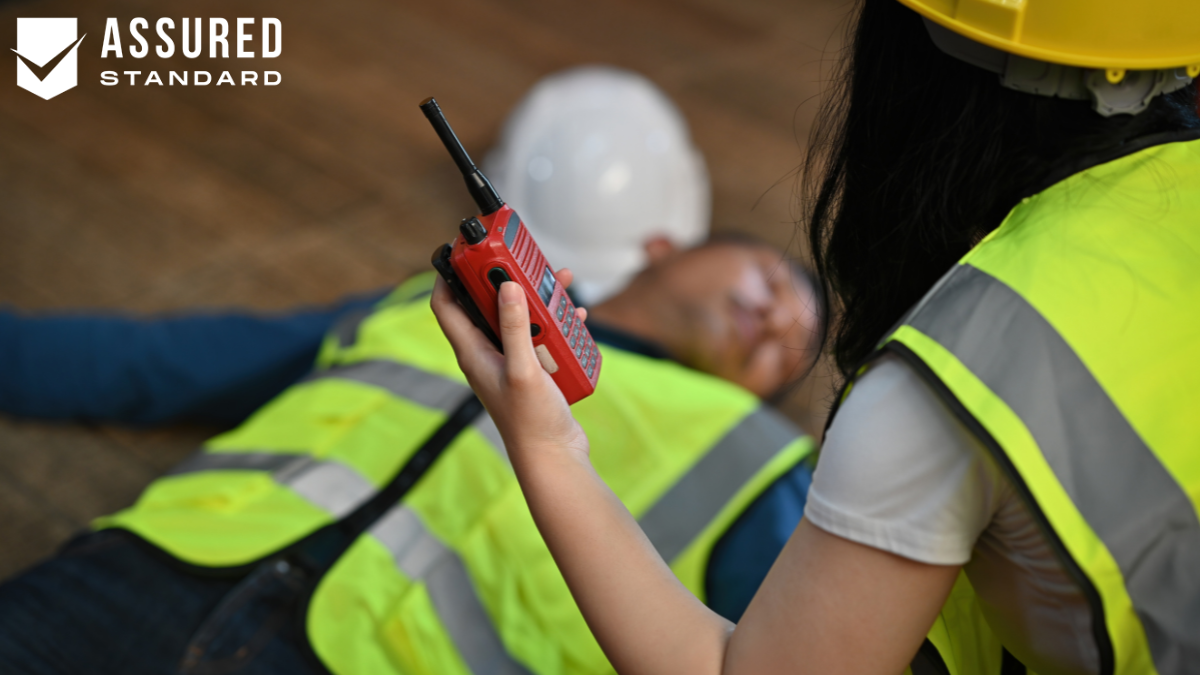
To effectively manage workplace safety, we must address the financial implications of workplace incidents. When incidents occur, they can lead to substantial costs. By implementing effective risk management, we can greatly reduce these expenses. Here’s how:
Boosting employee morale and engagement is crucial for maintaining a safe and productive workplace. When we prioritize effective risk management, we’re not just checking boxes; we’re showing our team that their well-being matters.
Employees who feel valued are more likely to be engaged and committed. This engagement translates to higher productivity and fewer safety incidents because they’re more mindful of their surroundings and protocols.
We can enhance morale by involving employees in safety programs and decision-making processes. When they see their input leading to real changes, it strengthens their connection to the organization.
Open communication also plays an essential role. By actively listening to concerns and addressing them, we foster trust and transparency, making everyone feel like a critical part of the safety culture.
When we aim to build a culture of safety and accountability, we start by recognizing that safety isn't just a set of rules—it's a shared responsibility.
We create an environment where everyone feels involved and committed. To achieve this, we can focus on three key actions:
We can enhance workplace risk management using technology by automating hazard detection, streamlining communication, and analyzing data trends. Tech solutions like sensors and AI help us predict potential risks, ensuring a safer environment for everyone.
Leadership sets the tone for workplace safety by prioritizing it in policies and actions. When leaders actively engage and communicate safety expectations, they inspire us to follow suit and create a culture where safety thrives.
We measure success by tracking incident reduction, employee feedback, and compliance rates. Let’s evaluate these metrics over time to guarantee our strategies effectively minimize risks and enhance workplace safety. It’s essential we continually assess and adjust our approach.
We often hear that workplace safety is just about avoiding accidents, but it's more. It involves proactive planning, addressing potential hazards, and ensuring everyone understands their role. Let's prioritize thorough safety measures beyond mere compliance.
We can improve risk management effectiveness by fostering open communication, encouraging feedback, and sharing clear instructions. Let’s prioritize transparency and make certain everyone’s informed, so we’re all prepared to handle potential risks efficiently and safely.
To sum up, let's embrace effective risk management in workplace safety to create a secure and thriving environment for everyone. By proactively addressing both physical hazards and mental well-being, we can prevent accidents and boost morale. We're not just cutting down on financial costs; we're showing our team that their safety is our top priority. Together, we'll build a culture of safety and accountability, ensuring our workplace is a place where everyone feels valued and protected.